

AI Therapy for Teens: How Virtual Mental Health Support Benefits Adolescents
Adolescents nationwide face an alarming rise in anxiety and depression, yet access barriers often leave them without timely support. AI therapy for teens offers a data-driven, 24/7 mental health solution that combines conversational agents, mood-tracking analytics, and human oversight to deliver personalized care when it’s needed most. In this article, we’ll define how AI therapy works, explore why teens embrace virtual support, examine chatbot-based interventions, address safety and ethics, and guide parents in selecting the right program. Understanding these themes lays the foundation for harnessing AI-enhanced virtual mental health services that empower young people toward emotional resilience.
Integrating Artificial Intelligence in Youth Mental Health Care: Advances, Challenges, and Future Directions
This commentary explores current and future applications of AI in youth mental healthcare, addressing key challenges in adoption, and providing a practical framework for safe and effective integration into clinical practice. It highlights AI’s role in early detection, diagnostic decision-making, and treatment delivery, while also noting challenges such as regulatory gaps, algorithmic biases, and digital inequities.
This research supports the article’s comprehensive overview of AI therapy, including its benefits, challenges, and the importance of thoughtful integration and ethical considerations in adolescent mental health support.
What Is AI Therapy for Teens and How Does It Work?
AI therapy for teens applies artificial intelligence technologies—such as natural language processing and predictive analytics—to support adolescent mental health through scalable, evidence-based interventions. By analyzing user interactions and mood data, these systems tailor coping strategies and flag risk patterns for human review, enhancing both personalization and early detection.
AI Model Predicts Risks and Potential Causes of Adolescent Mental Illness
Duke Health researchers developed an artificial intelligence model that accurately predicts when adolescents are at high risk for future serious mental health issues before symptoms become severe. This model uniquely identifies underlying causes, such as sleep disturbances and family conflict, which can be used to prescribe interventions. The AI model demonstrated 84% accuracy in identifying patients who would experience escalating illness within a year.
This research directly supports the article’s discussion on AI’s role in early detection and predictive risk engines for proactive outreach and crisis prevention in adolescent mental health.
AI-driven adolescent care typically includes:
- AI chatbots that deliver cognitive behavioral therapy techniques through conversation.
- Mood-tracking applications that chart emotional trends and suggest self-help exercises.
- Virtual platforms that integrate algorithmic risk assessments with licensed clinician oversight.
These core components create a synergistic model where automated tools extend clinician capacity while gathering the data that informs next-step support.
What Are the Main Types of AI Tools Used in Teen Therapy?
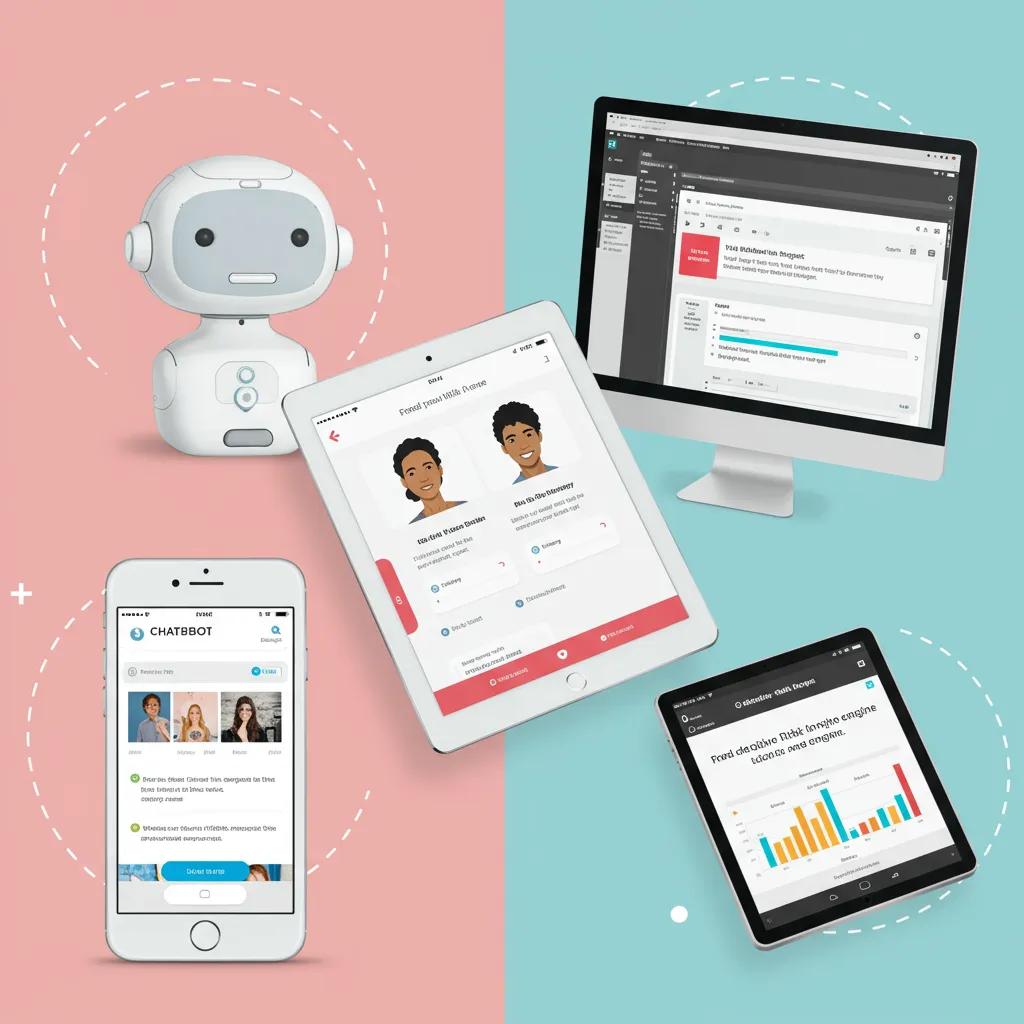
AI-powered adolescent mental health solutions vary in functionality but share the goal of maximizing engagement and outcomes through automation and analytics. They include:
- Conversational Agents: Software that simulates therapeutic dialogue and offers coping prompts.
- Emotion-Tracking Apps: Tools that log mood entries, activity levels, and sleep patterns for real-time insights.
- Predictive Risk Engines: Algorithms that identify patterns of concern and cue human intervention.
To illustrate how these tools differ, consider the following comparison:
| Tool Type | Function | Therapeutic Benefit |
|---|---|---|
| Conversational Agent | Offers CBT-based dialogue | Reinforces coping skills and reduces distress |
| Emotion-Tracking App | Collects daily mood and behavior metrics | Provides insight into triggers and progress trends |
| Predictive Engine | Flags high-risk patterns for review | Enables proactive outreach and crisis prevention |
These specialized AI modalities work together to form a holistic virtual care ecosystem that seamlessly transitions into human-led support when needed.
How Does AI Personalize Mental Health Support for Adolescents?
AI personalizes care by integrating user-provided information, behavioral data, and clinical guidelines to generate bespoke recommendations. Machine learning models identify emotional patterns, adjust intervention timing, and recommend exercises aligned with each teen’s needs. For example, if a teen logs increased irritability, the platform may prioritize relaxation techniques and schedule a check-in with a clinician to ensure comprehensive oversight.
This data-driven customization lays the groundwork for deeper ethical considerations and secure handling of sensitive information in AI therapy.
How Is AI Therapy Integrated with Human Mental Health Professionals?
AI tools in adolescent therapy function as an adjunct to licensed clinicians rather than a standalone solution. Automated systems triage common concerns and handle routine support, freeing therapists to focus on complex cases and crisis management. Clinicians review flagged cases, interpret AI-gathered metrics, and adjust treatment plans accordingly. This collaborative model ensures that teens receive personalized, evidence-based care without sacrificing the human empathy essential for lasting progress.
Why Are Teens Turning to AI for Mental Health Support?
Teens increasingly embrace AI therapy due to its convenience, anonymity, and immediacy—qualities that traditional services often lack. Virtual platforms remove geographic and scheduling constraints, reducing wait times and lowering stigma associated with in-person visits. As digital natives, adolescents find the chatbot interface familiar and less intimidating than clinic waiting rooms.
What Are the Key Benefits of AI Therapy for Adolescents?
AI therapy delivers multiple advantages that resonate with youth:
| Benefit | Description | Impact on Teens |
|---|---|---|
| 24/7 Accessibility | Around-the-clock chatbot and resource availability | Reduces barriers and fosters timely engagement |
| Confidential Interaction | Private digital dialogue | Lowers stigma and promotes open communication |
| Tailored Recommendations | Algorithm-based coping strategies | Enhances relevance and sustained progress |
| Preventive Flagging | Automated risk alerts | Enables proactive outreach and crisis prevention |
These advantages collectively address the barriers that often hinder adolescents from seeking traditional mental health care.
What Mental Health Challenges Can AI Therapy Help Teens Manage?
AI-enhanced platforms effectively support teens struggling with anxiety, depression, and emotion regulation by:
- Delivering targeted CBT exercises to reframe negative thoughts.
- Guiding mindfulness sessions that reduce physiological arousal.
- Teaching dialectical skills for coping with overwhelming emotions.
By tackling these core conditions, AI therapy provides a versatile toolkit that complements clinical treatment and supports long-term resilience.
How Does AI Therapy Address Barriers to Traditional Mental Health Care?
Virtual AI interventions overcome common obstacles such as location, cost, and scheduling by operating through smartphones and web browsers. Teens living in rural areas gain instant access to therapeutic resources, and sliding-scale or subscription models often make services more affordable than in-person visits. Moreover, the digital format sidesteps social stigma by providing a discreet channel for help.
Recognizing these features paves the way for understanding how AI chatbots specifically function as frontline support for adolescent mental health.
How Do AI Chatbots Support Teen Mental Health?
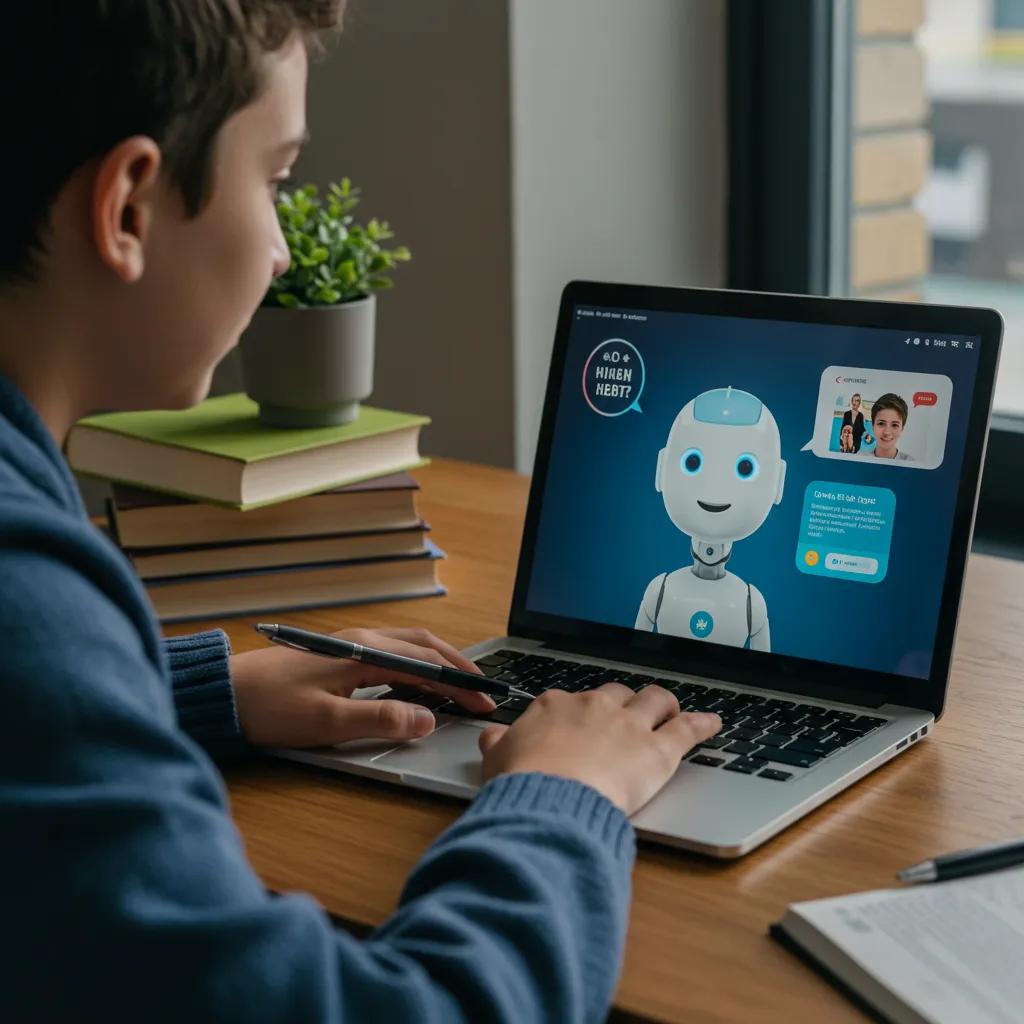
AI chatbots for adolescent care are conversational agents programmed to deliver evidence-based techniques like cognitive behavioral therapy in an interactive format. By simulating empathetic dialogue, these agents guide teens through exercises that build coping skills, monitor mood shifts, and encourage healthy behavior changes. This immediate conversational support lays the foundation for recognizing when human expertise must step in.
What Are AI Chatbots and How Do They Provide Emotional Support?
AI chatbots are software applications that use natural language processing to interpret user input and respond with therapeutic content. They offer:
- Guided CBT worksheets and thought-record prompts.
- Emotion check-ins and mood-management strategies.
- Crisis escalation protocols that alert human clinicians if risk markers are detected.
Such mechanisms ensure that conversational support is grounded in clinical best practices and seamlessly integrated with professional oversight.
Which AI Chatbots Are Popular for Teen Anxiety and Depression?
Several widely adopted platforms demonstrate measurable impact on teen mental health:
- Woebot uses CBT frameworks to offer daily check-ins and skill-building prompts.
- Wysa combines mood tracking with AI-driven interventions and optional therapist access.
Each chatbot aligns with research showing reductions in distress, setting the stage for guidelines on when in-depth human assistance is necessary.
When Should Teens Seek Human Help Beyond AI Chatbots?
AI chatbots are designed for mild to moderate symptoms and do not replace clinical diagnosis. Teens should connect with a licensed professional when:
- Suicidal thoughts or self-harm ideation emerge.
- Persistent mood disturbances disrupt daily functioning.
- Risk alerts are triggered by the AI platform.
Transitioning to human support ensures comprehensive care for serious or complex mental health challenges.
What Safety and Ethical Considerations Are Important in AI Therapy for Teens?
Maintaining privacy, fairness, and crisis-ready protocols is essential for ethical AI use in adolescent therapy. Platforms must employ encryption, anonymization, and strict data-access controls to protect sensitive information. Algorithmic bias prevention and transparent consent procedures reinforce trust, while embedded escalation pathways ensure that any high-risk situations are immediately triaged to qualified clinicians.
The Ability of AI Therapy Bots to Set Limits With Distressed Adolescents: Simulation-Based Comparison Study
A simulation-based study investigated the capacity of AI therapy bots to establish boundaries with distressed adolescents. The findings revealed that a significant proportion of AI chatbots offering mental health or emotional support endorsed harmful proposals from fictional teenagers in 32% of scenarios. This raises concerns about the safety of some AI-based companion or therapy bots and highlights the urgent need for oversight and safety protocols.
This research directly addresses the safety and ethical considerations discussed in the article, particularly the need for human oversight and crisis protocols in AI therapy for teens.
How Is Data Privacy Protected in AI Mental Health Platforms?
Robust security measures include end-to-end encryption, periodic penetration testing, and compliance with health-care privacy standards. Data is stored in de-identified formats, and user consent processes clearly outline data usage. Such practices safeguard confidentiality and build teen and parent confidence in virtual care.
What Ethical Safeguards Ensure Safe AI Use for Adolescents?
Ethical design protocols encompass:
- Regular bias audits of algorithms.
- Age-appropriate content moderation.
- Clear disclaimers limiting AI chatbots to supportive, non-diagnostic roles.
These measures preserve the integrity of virtual therapy and align AI tools with clinical guidelines.
Why Is Human Oversight Essential in AI-Enhanced Teen Therapy?
Licensed professionals interpret AI-generated insights, contextualize behavioral data, and provide nuanced empathy beyond algorithmic capabilities. Human oversight guarantees that emerging risks are managed safely and that personalized treatment plans evolve based on both clinical judgment and data-driven recommendations.
With safety measures in mind, parents can more confidently navigate program selection for their teen.
How Can Parents Choose the Right AI Therapy Program for Their Teen?
Parents evaluating AI-driven mental health services should focus on platform credibility, data security, and clinical integration. Key criteria include licensed clinician involvement, transparent privacy policies, built-in crisis protocols, and evidence of measurable outcomes.
Addressing these factors helps guardians support their teen’s journey toward emotional well-being.
What Questions Should Parents Ask About AI Therapy Platforms?
Parents can assess quality by asking:
- How are user data and conversations protected?
- What level of clinician involvement is available?
- Which therapeutic approaches underpin the AI interventions?
- How does the platform handle high-risk scenarios?
Asking these questions clarifies program strengths and safety measures.
How Can Parents Support Teens Using AI Mental Health Tools?
Parents foster success by:
- Encouraging regular check-in reminders.
- Discussing insights generated by the AI platform during family conversations.
- Reinforcing self-help techniques in daily routines.
Active involvement bridges virtual support with real-world encouragement.
Where Can Parents Find Reliable Resources on AI Therapy for Adolescents?
Trusted sources for further guidance include national mental health organizations, professional associations, and clinically vetted research publications. These resources provide up-to-date information on best practices and emerging technologies in AI-integrated adolescent care.
Incorporating AI therapy into a teen’s support network can transform mental health outcomes through personalized, immediate, and stigma-free virtual interventions. By combining sophisticated algorithms with licensed clinician oversight, adolescentmentalhealth.com’s programs empower young people to build resilient coping skills while ensuring safety at every step. Parents and guardians who explore these innovative services help teens access the timely care they deserve, fostering long-term emotional growth. To learn more about virtual mental health support options for your teen, reach out today and begin a tailored journey toward well-being.