
Emotional Intelligence in Adolescence: How Teens Can Develop Emotional Skills for Mental Health and Success
Emotional intelligence in adolescence shapes a teen’s ability to understand and manage feelings, directly strengthening resilience against anxiety and depression. Recent data show that adolescents with high EQ experience up to 40% fewer mood disorders, underscoring the value of developing these skills. This guide defines emotional intelligence for teens, presents self-awareness and regulation techniques, explores mental health and social benefits, explains how virtual mental health programs enhance EQ, and advises parents and educators on fostering emotional growth.
Emotional Intelligence and Adolescent Mental Health
Research indicates a significant negative correlation between emotional intelligence (EI) scores and symptoms of depression and anxiety in adolescents. Studies have shown that higher EI is associated with lower levels of mental health derangements, suggesting that developing emotional skills can act as a protective factor against mood disorders in school-going adolescents.
This research directly supports the article’s claim that high emotional intelligence strengthens resilience against anxiety and depression in adolescents.

What Is Emotional Intelligence and Why Is It Important for Teens?
Emotional intelligence in adolescence is the capacity to perceive, understand, and regulate emotions, empowering teens to navigate social pressures and support mental well-being. This foundational skill drives self-confidence, healthy relationships, and academic focus.
How Do Experts Define Emotional Intelligence in Adolescence?
Experts describe adolescent emotional intelligence as the combination of self-awareness, self-regulation, motivation, empathy, and social skills that emerges alongside brain maturation. Daniel Goleman’s model and Salovey–Mayer’s framework converge on these core abilities.
Defining Emotional Intelligence: Goleman's and Salovey-Mayer's Models
Experts define emotional intelligence through various models, notably Daniel Goleman’s and Salovey and Mayer’s frameworks. Goleman’s model emphasizes self-awareness, self-management, social awareness, and relationship management, while Salovey and Mayer define EI as the ability to perceive, use, understand, and manage emotions to promote personal growth and guide thinking and actions.
This citation provides expert definitions and frameworks for emotional intelligence, aligning with the article’s explanation of how experts define EQ in adolescence.
Why Is Emotional Intelligence Crucial During Teen Development?
Adolescence involves rapid neurological changes that influence impulse control and peer interactions. Strong EQ harmonizes these changes by guiding thoughtful decision-making and buffering stressors, reducing risk of anxiety and behavioral challenges.
What Are the Five Core Components of Emotional Intelligence for Teens?
To illustrate the key skills of EQ, the table below outlines each component, its emotional mechanism, and its positive outcome for adolescents.
| Skill | Mechanism | Benefit |
|---|---|---|
| Self-Awareness | Recognizing feelings through reflection | Builds accurate self-perception |
| Self-Regulation | Applying coping techniques | Maintains emotional balance |
| Motivation | Harnessing goals to drive action | Increases persistence and focus |
| Empathy | Understanding others’ perspectives | Strengthens peer and family bonds |
| Social Skills | Practicing clear communication | Enhances teamwork and conflict resolution |
These components interrelate to reinforce a teen’s overall emotional competence and prepare them for adult challenges.
How Can Teens Develop Self-Awareness and Emotional Regulation Skills?

Teens improve self-awareness and regulation by learning to identify feelings and responding with healthy strategies, which directly reduces impulsivity and supports emotional stability.
What Techniques Help Teens Recognize and Name Their Emotions?
Practical exercises foster emotional vocabulary and insight:
- Journaling after daily events sharpens recognition of mood patterns.
- Using a feeling wheel encourages precise naming of emotions.
- Guided mindfulness check-ins invite non-judgmental observation of shifting thoughts.
These practices deepen self-awareness and lay the groundwork for effective regulation.
How Can Teens Manage Intense Emotions Like Anxiety and Anger?
Managing overwhelming feelings requires active techniques that interrupt stress cycles:
- Deep breathing engages the parasympathetic system to lower heart rate.
- Positive self-talk reframes anxious thoughts into empowering statements.
- Progressive muscle relaxation releases physical tension associated with anger.
Consistent use of these tools builds confidence in handling emotional surges.
What Are Effective Anger Management Strategies for Adolescents?
Anger management hinges on pausing and redirecting energy:
- Time-out – Stepping away to cool down before reacting.
- Creative outlets – Channeling frustration into art, music, or exercise.
- Problem-solving – Identifying triggers and brainstorming respectful solutions.
Adopting these strategies strengthens impulse control and nurtures better relationships.
How Does Emotional Intelligence Benefit Teen Mental Health and Social Relationships?
High emotional intelligence reduces emotional distress, promotes academic success, and fosters supportive connections with peers and family.
How Does Emotional Intelligence Reduce Anxiety and Depression in Teens?
By recognizing negative thought patterns and applying coping skills, emotionally intelligent teens interrupt cycles of worry and withdrawal. This proactive regulation builds resilience that counters anxiety and lowers depression risk.
In What Ways Does Emotional Intelligence Improve Academic Performance?
Emotional intelligence enhances focus by helping teens manage exam stress and sustain motivation toward goals. Improved self-discipline and time management translate into higher grades and deeper engagement with learning.

How Does Emotional Intelligence Support Healthy Peer and Family Relationships?
Empathy and social skills enable teens to decode others’ feelings, express needs clearly, and navigate conflicts constructively. These relational strengths cultivate a reliable support network that reinforces mental health.
How Do Virtual Mental Health Programs Support Emotional Intelligence Development in Teens?
Virtual mental health programs deliver structured guidance and practice in self-awareness, empathy, and regulation through accessible, therapist-led sessions that reinforce emotional skills.
What Therapeutic Modalities Are Used in Virtual Programs to Build Emotional Skills?
Online programs integrate evidence-based approaches:
- Cognitive Behavioral Therapy (CBT) reframes unhelpful thoughts into adaptive patterns.
- Dialectical Behavior Therapy (DBT) teaches distress tolerance and emotion regulation.
- Mindfulness-based techniques cultivate present-moment awareness and self-compassion.
Therapeutic Modalities for Emotional Skill Development in Adolescents
Dialectical Behavior Therapy (DBT), an evidence-based form of cognitive behavioral therapy (CBT), effectively equips adolescents with skills for emotional regulation. DBT integrates techniques such as mindfulness, distress tolerance, and interpersonal effectiveness, enabling teens to recognize, understand, and manage their emotions, thereby fostering resilience and improving mental well-being.
This research supports the article’s discussion on how virtual mental health programs utilize CBT, DBT, and mindfulness to enhance emotional intelligence in teens.
How Are Virtual Programs Structured for Teen Emotional Intelligence Growth?
Programs often include weekly individual coaching, group workshops, and optional family sessions. This triad of individual attention, peer support, and parental involvement reinforces skills across home, school, and social contexts.
What Success Stories Demonstrate the Impact of Virtual Emotional Intelligence Programs?
In one anonymized case, a 15-year-old reduced panic symptoms by 60% after eight weeks of CBT and mindfulness coaching. Another teen reported deeper peer connections and fewer conflicts following group DBT sessions. These outcomes showcase the transformative power of guided virtual support.
How Can Parents and Educators Help Teens Build Emotional Intelligence?
Parents and educators play key roles by modeling emotional skills, providing resources, and collaborating with professionals to sustain a teen’s EQ development.
What Practical Tools and Resources Can Parents Use to Support Emotional Skills?
Parents can download structured emotion-tracking worksheets, share conversation prompts about daily feelings, and encourage regular mindfulness breaks. These tools invite open dialogue and reinforce healthy expression.
How Can Educators Integrate Social Emotional Learning in Schools?
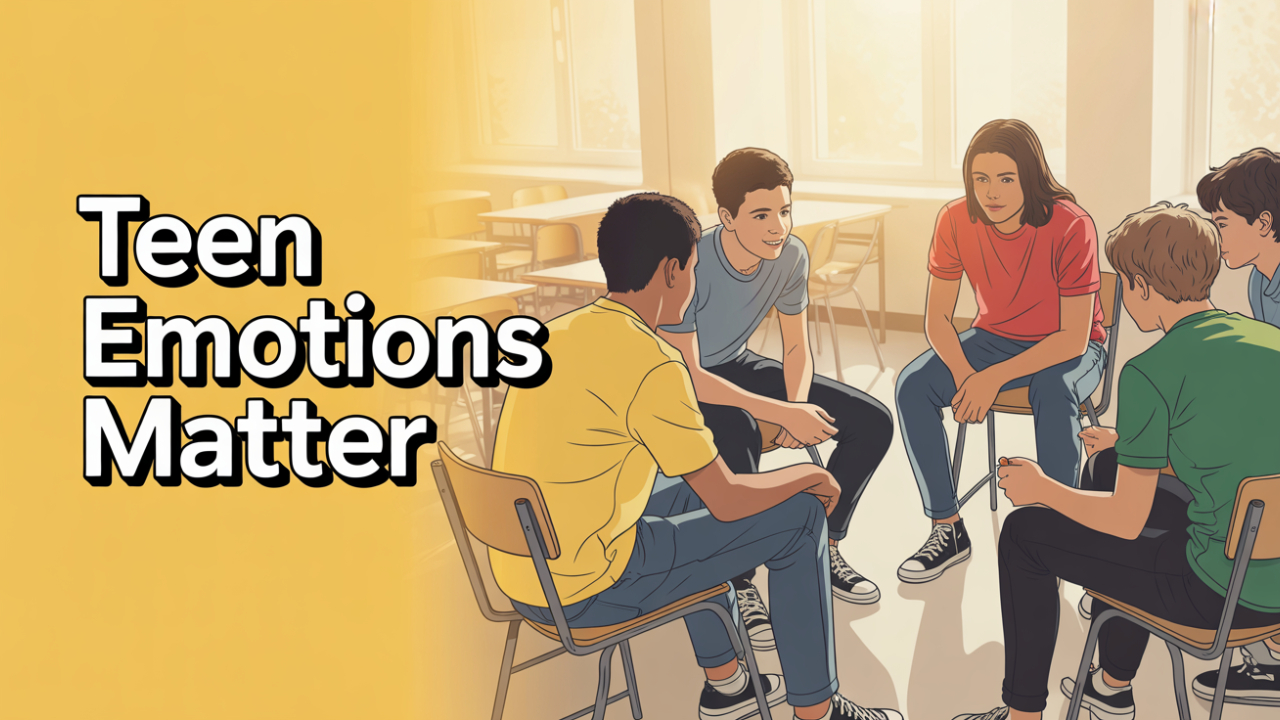
Educators incorporate brief classroom activities like peer-listening circles, role-play of conflict resolution, and emotion vocabulary exercises that seamlessly embed EQ development into the academic day.
Why Is Collaboration Between Parents, Educators, and Therapists Important for Teens?
Coordinated support ensures consistent messaging and skill reinforcement across environments. When caregivers, teachers, and clinicians share strategies and progress, teens receive a unified network that accelerates emotional growth.
Emotional intelligence in adolescence empowers teens to navigate stress, foster positive relationships, and achieve academic goals. By practicing self-awareness, regulation, empathy, and social skills, young people build a foundation for lifelong well-being. Virtual mental health programs extend these benefits through specialized, accessible therapy that bolsters EQ development. With shared effort from parents, educators, and professionals, teens can transform emotional challenges into strengths and thrive both now and in the future.