

Teen Mental Health Walk-In and Same-Day Options in Orange County: Immediate Support for Urgent Adolescent Care
Immediate mental health needs among adolescents require clear, fast pathways; Orange County families often search for same-day walk-in care or rapid virtual alternatives that can stabilize crises and connect teens to ongoing support. This article explains how walk-in services work, outlines immediate virtual Intensive Outpatient Program (IOP) options that can start same-day, lists warning signs that warrant urgent attention, and compares in-person walk-ins versus virtual rapid-access care.
Readers will learn step-by-step actions to access same-day help, what to expect during intake, and how virtual telehealth IOPs can shorten wait times while delivering evidence-based therapies like CBT and DBT. Practical checklists, comparison tables, and vetted intake steps are provided to help parents, guardians, and teens choose the safest, fastest option in Orange County when urgent mental health support is needed. Throughout, actionable guidance focuses on rapid assessment, safety planning, and next steps for continuity of care.
How Can Teens Access Same-Day Mental Health Walk-In Services in Orange County?
Same-day walk-in mental health care for teens typically begins with an initial triage to assess safety and immediate needs, followed by an intake interview and brief stabilization plan. Walk-in access routes in Orange County often include hospital emergency departments, community mental health centers, and urgent care sites that offer behavioral health triage; availability varies and families should confirm teen-specific services before arrival.
Prepare for a walk-in by bringing consent documentation, any current medications, and brief medical/behavioral history to speed intake and ensure accurate triage.
Comparing typical onsite wait times with virtual alternatives can help families decide the fastest route to stabilization.
Many families find these quick steps useful for same-day access:
- Call or check online for walk-in hours and teen-specific services before traveling.
- Bring identification, consent information, and a concise medication/behavior summary.
- Expect triage, safety screening, and either brief in-person stabilization or referral to next-level care.
The summary: a brief phone check followed by prepared documentation often reduces delays and helps clinicians prioritize urgent cases quickly.
| Access Route | Typical Wait Time | Typical Intake Steps |
|---|---|---|
| Hospital ED | 1–6+ hours | Triage, medical clearance, psychiatric assessment |
| Community mental health center | 1–4 hours | Registration, safety screening, brief counseling |
| Urgent care with behavioral health | 30 min–3 hours | Triage, clinician consult, referral plan |
This eav table clarifies likely choices and what to expect when pursuing in-person same-day care in Orange County.
What Are the Benefits of Same-Day Walk-In Therapy for Teens?

Same-day walk-in therapy provides immediate face-to-face assessment and crisis stabilization, which reduces near-term risk and creates an actionable safety plan. In-person visits allow clinicians to observe behavior directly, assess medical factors, and, when appropriate, refer for urgent medication evaluation or higher-level care. For families lacking rapid outpatient appointments, walk-ins offer a tangible, immediate step that can prevent escalation and connect teens with local community resources. The ability to coordinate directly with schools or local supports during an in-person visit often expedites follow-up services and continuity of care.
Which Local Clinics Offer Urgent Teen Mental Health Walk-In Care?
Types of Orange County providers that may offer urgent teen walk-in care include children’s hospitals, county mental health centers, and select urgent care clinics with behavioral health capabilities. Confirming teen age ranges, consent requirements, and walk-in hours by phone before arrival avoids delays and ensures the clinic can meet adolescent-specific needs.
During an in-person urgent visit, expect registration, a safety screen, a brief clinical interview, and a plan for next steps—either same-day brief therapy, referral to outpatient services, or escalation if medical/psychiatric needs exceed outpatient scope. Verifying insurance or payment options before arrival also smooths intake and discharge planning.
What Immediate Virtual Intensive Outpatient Programs Are Available for Teens in Orange County?
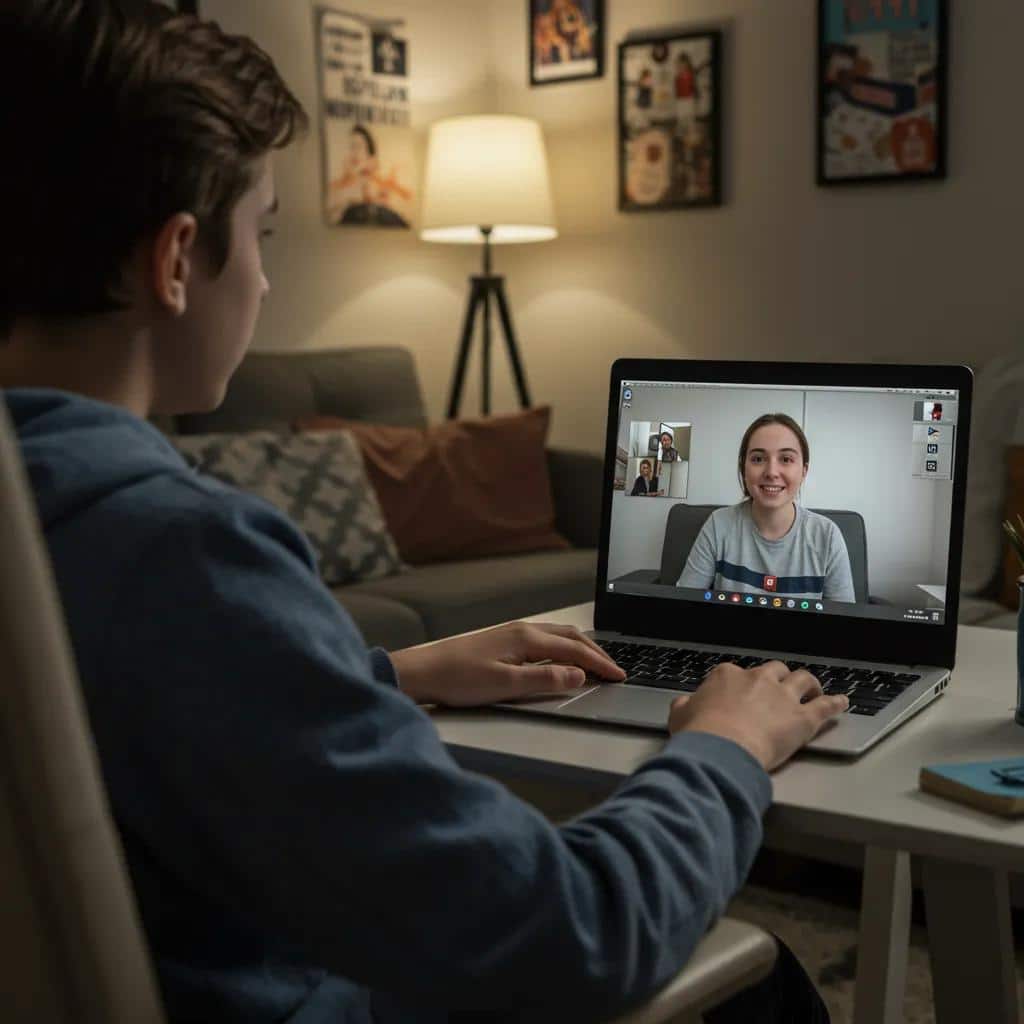
Virtual Intensive Outpatient Programs (IOPs) provide structured, evidence-based therapy delivered remotely and can often offer same-day assessments that speed access compared with traditional scheduling. A virtual IOP typically includes scheduled therapy hours per week, coordinated group and individual sessions, family therapy components, and clinician-led treatment plans designed for adolescents. Telehealth platforms enable clinicians to triage urgency, schedule immediate virtual assessments, and begin IOP sessions within the same day when clinician availability and insurance/verification permit. This rapid-access model reduces geographic and scheduling barriers while maintaining a focus on CBT, DBT, and family involvement for measurable symptom reduction.
Intro to program components:
| Program Component | Hours / Frequency | Typical Conditions Treated |
|---|---|---|
| Individual therapy | 1:1 weekly sessions (part of 9–15 hrs/week) | Depression, anxiety, PTSD |
| Group therapy | Multiple weekly group sessions | Social anxiety, mood dysregulation |
| Family therapy | Weekly or biweekly family sessions | Family conflict, engagement issues |
| Skills-based DBT/CBT | Structured modules across days | Self-harm behaviors, emotional regulation |
How Does the Virtual IOP Provide Same-Day Access for Urgent Teen Mental Health?
Virtual IOPs provide same-day access by using a rapid intake workflow: initial contact triggers triage by clinical staff, immediate scheduling of a virtual assessment, and expedited authorization or self-pay arrangements as needed. Telehealth removes travel barriers and often allows clinicians to offer evening or same-day slots across a wider geographic area, shortening the time from contact to first session. Administrative steps typically include brief safety screening, caregiver consent confirmation, insurance verification or affordable self-pay options, and onboarding to the telehealth platform. For urgent cases not requiring emergency services, this streamlined path can stabilize symptoms quickly and transition teens into structured treatment.
What Conditions Can Virtual IOPs Effectively Treat for Orange County Youth?
Virtual IOPs are well-suited for adolescents with moderate-to-severe conditions that benefit from intensive outpatient therapy, including anxiety disorders, depression, OCD, ADHD-related functional impairment, bipolar mood stabilization support, PTSD, insomnia, and gender dysphoria-related distress. Evidence from recent telehealth studies through 2024–2025 indicates virtual delivery of CBT and DBT modules can achieve comparable symptom reduction to in-person sessions for many adolescents when engagement and family support are present. Cases with acute safety risks, severe medical instability, or need for inpatient stabilization still require emergency services or in-person higher-level care.
For families seeking rapid virtual enrollment, Adolescent Mental Health offers a virtual IOP model that combines 9–15 hours per week across 3–5 days with CBT, DBT, individual, group, and family therapy, licensed clinicians, insurance partnerships, and affordable self-pay options; inquire for immediate assessment and potential same-day starts.
What Are the Warning Signs That Your Teen Needs Urgent Mental Health Support in Orange County?
Recognizing urgent warning signs lets caregivers act quickly to protect safety and obtain same-day help when needed. Key crisis indicators include explicit suicidal ideation or plans, recent self-harm, severe withdrawal or inability to perform daily tasks, sudden violent behavior or threats, and acute psychotic symptoms such as hallucinations or severe disorganization. Differentiating urgent but non-emergency needs (rapid outpatient or same-day IOP) from immediate emergencies (call 911/ED) is essential for choosing the right access point. Safety planning, removing means of harm, and arranging immediate assessment are primary first steps when warning signs appear.
Common crisis signs to watch for:
- Sudden talk or actions about self-harm or suicide.
- Marked changes in sleep, appetite, or school functioning.
- Increasing substance use combined with mood shifts.
- Expressed intent to harm others or unpredictable aggression.
After spotting signs, prioritize safety, arrange same-day assessment (walk-in or virtual IOP), and escalate to emergency services if the teen is imminently unsafe.
How to Recognize a Teen Mental Health Crisis or Emergency?
A mental health emergency typically involves imminent danger to self or others, severe disorientation or psychosis, or inability to meet basic needs due to psychiatric symptoms. Look for concrete statements of intent, active self-injury, severe withdrawal and neglect, or sudden violent actions; these require immediate emergency response. For less acute but urgent presentations—severe depression with functional decline or escalating self-harm thoughts—same-day walk-in care or a rapid virtual assessment can often provide stabilization. Document observations and communicate them clearly during triage to ensure appropriate prioritization.
When Should Parents Seek Immediate Counseling or Walk-In Care for Their Teen?
Parents should seek same-day counseling when symptoms cause marked functional decline, active suicidal ideation without plan may still need rapid assessment, or when safety cannot be assured at home. Prior history of hospitalization, recent discharge from inpatient care, or rapidly worsening mood/behavior increases urgency and usually justifies walk-in or virtual IOP referral. Prepare by collecting medication lists, recent behavior examples, and emergency contacts to facilitate intake and continuity of care. Choosing between walk-in and virtual often depends on immediacy, safety needs, and logistical barriers.
How Do Walk-In Clinics Compare to Virtual Same-Day Teen Mental Health Options in Orange County?
Walk-in clinics deliver in-person assessment and immediate stabilization, while virtual same-day services offer faster access, convenience, and flexible scheduling; choosing depends on safety needs, required scope of service, and family logistics. In-person visits are preferable when medical evaluation, medication initiation, or direct observation is necessary; virtual options excel when rapid access, family participation, and continuity into structured IOP care are priorities. Insurance coverage, privacy concerns, and local availability further influence the decision; families should weigh immediacy against clinical requirements when selecting care.
| Option | Pros | Cons |
|---|---|---|
| Walk-in clinic | Direct medical/psychiatric exam; immediate referral | Variable wait times; transportation needed |
| Virtual same-day IOP | Faster scheduling; family inclusion; structured therapy | May not suit severe medical emergencies; technology required |
| Emergency Department | Full medical/psychiatric stabilization | Long waits; may lead to inpatient admission |
What Are the Pros and Cons of Walk-In Clinics Versus Virtual Therapy for Teens?
Walk-in clinics provide immediate face-to-face evaluation, access to on-site medical testing, and clear pathways to emergency admission if required, while virtual therapy reduces delays, increases scheduling flexibility, and often encourages family involvement in treatment. Limitations include travel and wait times for walk-ins, and limits in conducting physical exams or medication initiation through virtual formats. Privacy, technology access, and insurance authorization also shape feasibility; families should match clinical needs to the modality that can best and most safely meet them.
How to Choose the Best Immediate Mental Health Care Option for Your Teen?
Use a short checklist to choose: assess immediate safety, determine need for medical evaluation, consider transportation and scheduling constraints, and confirm insurance or payment options. Ask providers about expected wait time, clinician licensing, scope of services offered same-day, and follow-up care coordination. Have documentation ready—consent, medication list, and recent behavior notes—to speed intake. After same-day care, arrange continuity with outpatient providers, school supports, or virtual IOP enrollment to maintain momentum in treatment.
Immediate next step: If you need same-day virtual assessment or rapid IOP enrollment, contact licensed telehealth programs that offer expedited intake and same-day clinician availability for teens.
- Safety First: If the teen is imminently unsafe, call emergency services.
- Check Options: Phone ahead to confirm walk-in hours or virtual same-day slots.
- Prepare Materials: Bring consent, medication list, and recent behavior notes.
These action steps help families secure urgent, appropriate care quickly and maintain therapeutic continuity after the initial visit.