
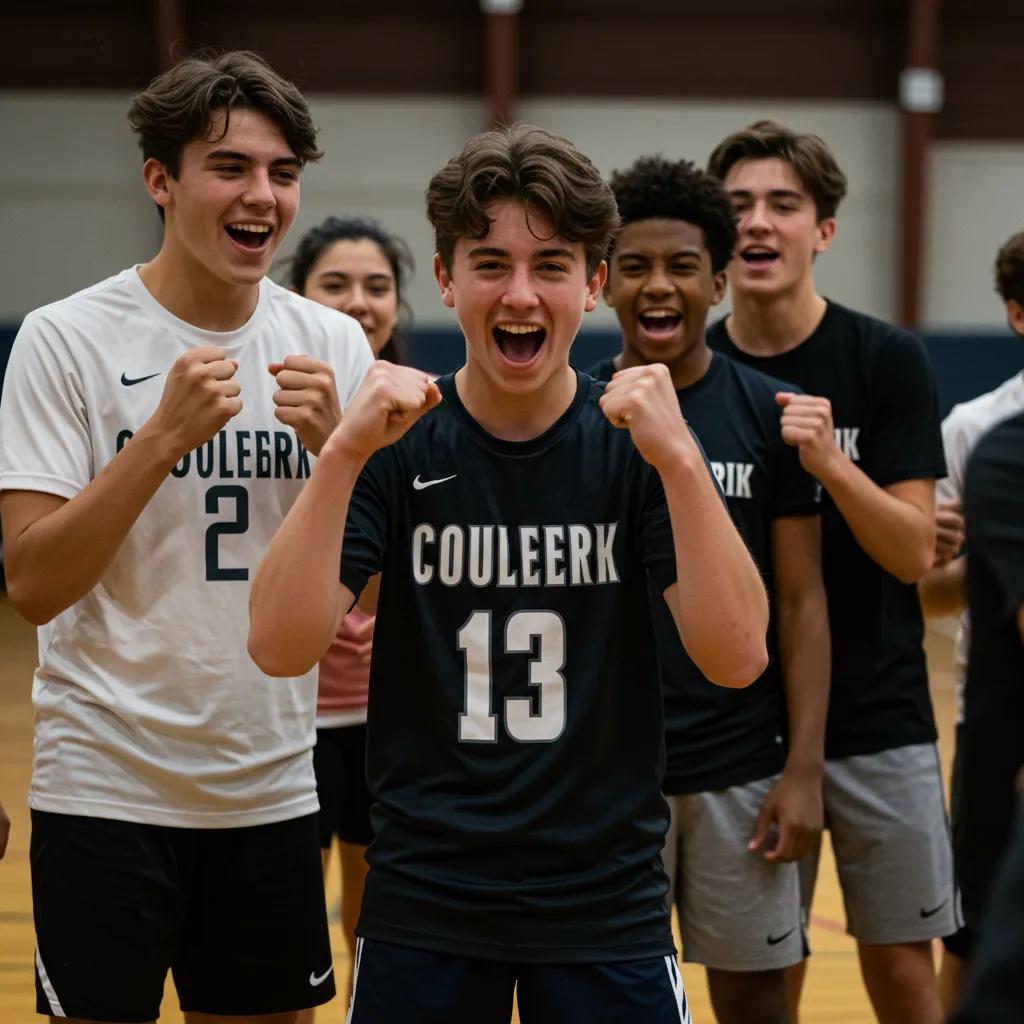
Teen Athlete Mental Health Pressure: Understanding and Managing Sports Performance Anxiety and Burnout
Sports performance pressure describes the psychological and social forces that push young athletes to meet high expectations, and it frequently contributes to anxiety, reduced enjoyment, and burnout in adolescents. This article explains what performance pressure is, why it matters for teen athlete mental health, and how pressure progresses into performance anxiety and eventual burnout if unmanaged.
Readers will learn clear signs to watch for, practical coping strategies grounded in evidence, and when structured clinical care is appropriate. The guide also maps how parents and coaches can reduce harmful stressors and support recovery, and it previews how virtual therapy models can deliver accessible, intensive treatment for teens. Throughout, this piece integrates current research-based approaches such as CBT and DBT, practical exercises like mindfulness and visualization, and targeted resources for families and teams. By the end you will have actionable steps to spot trouble early, apply immediate supports, and navigate pathways to care when self-help isn’t enough.
What Is Sports Performance Pressure and How Does It Affect Teen Athletes?
Sports performance pressure is the combined internal and external expectations placed on adolescent athletes that trigger stress responses and cognitive distortions about failure and worth. This pressure activates physiological arousal (rapid heart rate, adrenaline), shapes negative performance self-talk, and alters social behavior as teens respond to coaches, parents, peers, and social media scrutiny. The result is often impaired concentration, increased injury risk, and avoidance behaviors that reduce training consistency and enjoyment. Understanding these mechanisms clarifies why early recognition and targeted support preserve long-term mental health and performance.
The table below compares pressure sources and typical effects so parents and coaches can quickly identify likely mechanisms driving a teen’s struggle.
| Pressure Source | Typical Effect | Common Outcome |
|---|---|---|
| Internal perfectionism | Persistent self-criticism | Avoidance, anxiety |
| Parental expectations | Fear of disappointing family | Sleep disruption, guilt |
| Coaching emphasis on outcomes | Heightened performance arousal | Overtraining, injury risk |
| Social media comparison | Social evaluation stress | Reduced enjoyment, identity issues |
This comparison shows how different pressure sources map to emotional, physical, and behavioral outcomes and highlights actionable targets for intervention. Recognizing the dominant pressure type helps teams choose focused coping strategies and, when needed, clinical support.
What Causes Sports Performance Anxiety in Adolescents?
Performance anxiety in adolescents stems from a mix of personality, environment, and physiological arousal that converges before high-stakes moments. Perfectionism and fear of negative evaluation amplify intrusive “what if” thoughts, while parental and coaching pressure can turn normal nerves into chronic worry. Social media and peer comparison increase social-evaluation stress, and unpredictable injury or selection events intensify anticipatory anxiety. These interacting causes produce cognitive distortions—catastrophizing and all-or-nothing thinking—that CBT targets directly.
To make causes actionable, consider this short checklist of common contributors.
- High personal perfectionism combined with strict outcome-focused feedback from adults.
- Sudden changes like a new coach or tryout that increase uncertainty and perceived stakes.
- Recurrent injuries or physical fatigue that lower confidence and increase threat appraisal.
Addressing one or two drivers—such as reducing outcome-focused language or pacing training—can rapidly lower anxiety and restore adaptive motivation.
Research has demonstrated the effectiveness of cognitive behavioral techniques in managing pre-competition anxiety among athletes.
Cognitive Behavioral Techniques for Controlling Pre-Competition Anxiety in Athletes
Various research in Sports Psychology has shown that a high level of pre-competitive anxiety negatively influences the performance of athletes. The proposed intervention program, expressing the combined use of Jacobson’s Progressive Relaxation and Cognitive Restructuring, is implemented in the male volleyball and school volleyball school teams of the Orestes Acosta Sports Initiation School, in time from February to May 2016, with the participation of the Sports Medicine Center of Santiago de Cuba.Different psychological procedures are used before the development of the program and once it is finished: the Spielberger Anxiety Test, Daily Thought Record, Psychological Inventory of Sports Execution, and Attitude for Competition, Observation and Interview, as well as an evaluation provided by the coaches about the sports performance of the teams.
Training with cognitive behavioral techniques for the control of precompetitive anxiety, 2020
How Does Performance Pressure Lead to Athlete Burnout?
Chronic exposure to high demands without adequate recovery shifts adaptive stress into maladaptive burnout characterized by emotional exhaustion and reduced accomplishment. The trajectory typically moves from heightened effort and vigilance to depletion, decreased motivation, and cynicism toward sport participation. Physiological signs—chronic fatigue, frequent minor illnesses, persistent pain—signal inadequate recovery, while psychological signs include loss of enjoyment and identity diffusion. Left unaddressed, burnout raises risk for depressive symptoms and dropout from sport.
Key preventive steps include monitoring training load, scheduling deliberate rest, and promoting intrinsic motivation through autonomy-supportive coaching. These measures reduce chronic stress and interrupt the stress → exhaustion → disengagement pathway that produces lasting harm.
What Are the Signs and Symptoms of Sports Performance Anxiety and Burnout in Youth Athletes?
Performance anxiety and burnout show across emotional, cognitive, physical, and behavioral domains, giving caregivers multiple observable cues to act on. Early signs often appear as worry before competitions, somatic complaints, and changes in sleep or appetite; later signs of burnout include chronic fatigue, reduced practice effort, and emotional withdrawal. Quick recognition depends on systematic observation and comparison to baseline functioning rather than isolated bad days. Families and coaches who use category-based checks catch problems earlier and connect teens to supports that restore functioning.
Below is a table mapping symptom categories to concrete examples to simplify recognition and triage.
| Symptom Category | Symptom Type | Example |
|---|---|---|
| Emotional | Anxiety, irritability | Persistent pre-game dread |
| Cognitive | Catastrophizing | “If I mess up, I’m a failure” |
| Physical | Somatic complaints | Stomachaches, headaches before events |
| Behavioral | Withdrawal, avoidance | Skipping practice or quitting teams |
This table clarifies which behaviors and complaints warrant monitoring and which combinations suggest need for clinical evaluation. When multiple categories are present for several weeks, consider structured assessment.
How Can You Recognize Performance Anxiety in Teen Athletes?
Recognizing performance anxiety requires noticing patterns: excessive worry that impairs concentration, repeated physical symptoms tied to competition, and avoidance behaviors that reduce practice exposure. Teens may report intrusive thoughts, sleep loss, or a sense of being “in their head” during events, while coaches see uncharacteristic mistakes under pressure. Distinguishing normal pre-game nerves from clinically significant anxiety depends on intensity, duration, and functional impact on training, school, and social life. Early conversations that normalize feelings while exploring impairment create opportunities for timely support and skills training.
A brief checklist helps adults decide when to move from supportive coaching to professional evaluation.
- Symptoms persist beyond typical pre-event nerves and interfere with performance or daily life.
- Physical symptoms escalate or do not respond to basic recovery strategies.
- The teen expresses avoidance, hopelessness, or loss of enjoyment in the sport.
What Are Common Symptoms of Athlete Burnout in Adolescents?
Athlete burnout presents as long-standing motivational decline, emotional exhaustion, and a sense of reduced accomplishment that extends beyond temporary slumps. Teens report feeling drained by training, indifferent to outcomes they once valued, and often experience irritability or detachment from teammates. Performance declines despite continued effort, and sleep or appetite changes may mimic depressive disorders, underscoring the need for assessment that separates burnout from broader mood conditions. Monitoring training volume and psychological well-being helps prevent progression.
Practical steps include temporarily reducing training load, increasing recovery activities, and engaging family support to recalibrate expectations and restore motivation.
What Coping Strategies Help Teens Manage Sports Performance Pressure?
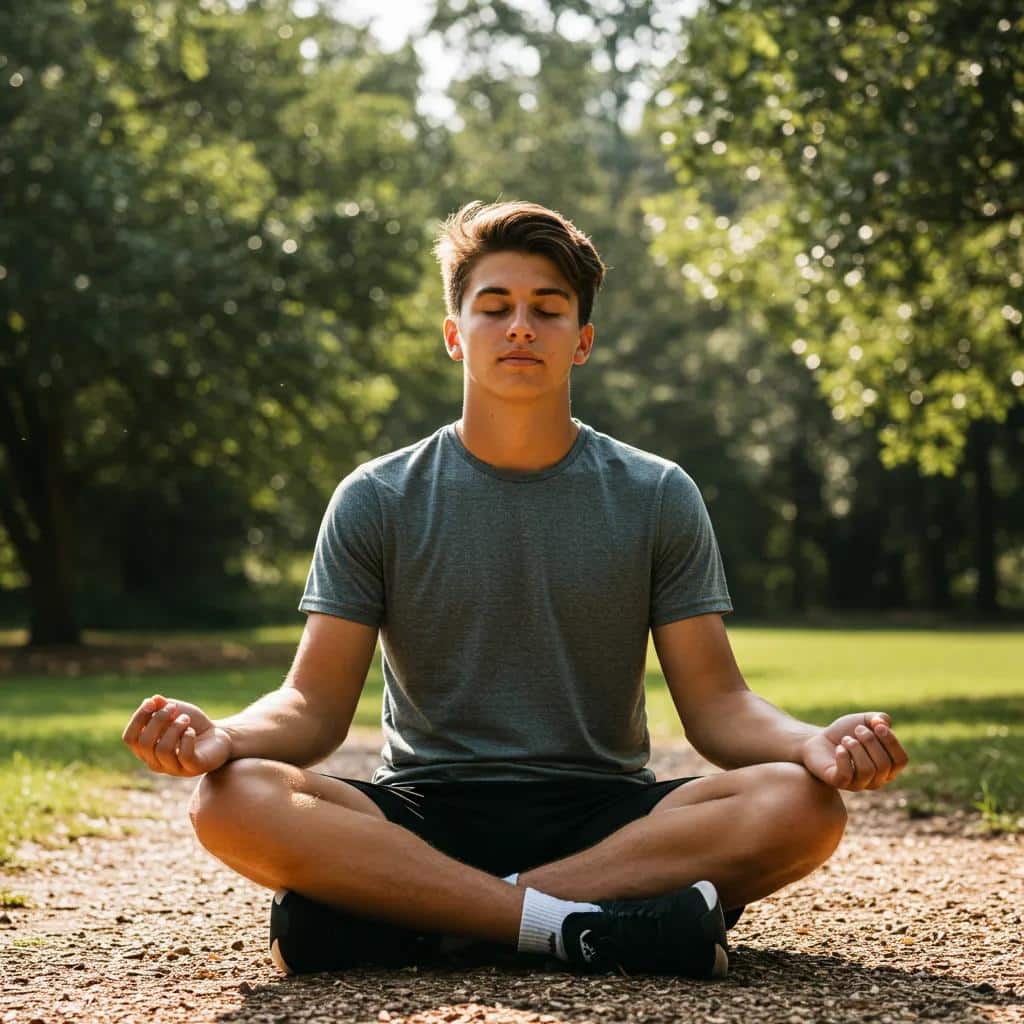
Effective coping combines psychological skills training, lifestyle adjustments, and supportive social environments that together reduce arousal, correct cognitive distortions, and rebuild resilience. Strategies with strong evidence include CBT techniques (thought restructuring), mindfulness and visualization practices for arousal regulation, sleep and nutrition optimization for recovery, and deliberate pacing of training to prevent overload. Integrating skill practice into regular routines—short daily mindfulness, pre-performance visualization scripts, consistent sleep windows—creates durable change and improves on-field performance. These approaches translate directly from sports psychology into clinical therapies used for anxiety and burnout.
Below are focused, evidence-informed strategies teens can apply immediately.
- Thought Records: Identify and challenge catastrophic thoughts with balanced evidence.
- Brief Mindfulness: Use 60-second grounding to reduce acute arousal before competition.
- Visualization Rehearsal: Mentally rehearse successful performance sequences for confidence.
- Recovery Habits: Prioritize sleep and nutrition to maintain physiological resilience.
Each strategy should be practiced regularly for measurable benefit; consistency matters more than duration. If self-directed approaches do not reduce impairment after several weeks, consider structured clinical care that builds on these techniques.
For teens needing more structured therapy than self-help, Adolescent Mental Health provides a Virtual Intensive Outpatient Program tailored to ages 12–17 that uses evidence-based therapies like CBT and DBT. The program delivers multi-modal care including individual, group, and family therapy, and can be scheduled around training to preserve continuity in sport participation. Families can inquire about an assessment to determine if the intensity of a Virtual IOP is a good next step.
How Can Mindfulness and Visualization Improve Mental Toughness?
Mindfulness and visualization improve mental toughness by strengthening attention control, reducing physiological reactivity, and rehearsing adaptive responses to stressors. Mindfulness trains present-moment focus, which decreases rumination and improves decision-making under pressure, while visualization creates neural rehearsal that enhances automaticity in skills. Short practices—30–60 seconds of paced breathing or a two-minute visualization of a successful play—are practical and transfer directly to performance contexts. Regular practice develops resilience, enabling teens to recover quickly from mistakes and maintain composure.
Practitioners often pair these practices with CBT to address underlying thought patterns, maximizing both cognitive and physiological regulation in competitive settings.
What Role Do Parents and Coaches Play in Supporting Athlete Mental Health?
Parents and coaches shape the environment that either amplifies or reduces performance pressure through communication, expectations, and recovery planning. Adults can reduce anxiety by focusing feedback on process and effort rather than outcomes, modeling balance between sport and other life domains, and validating emotional experiences without minimizing fears. Practical actions include scheduling deliberate rest, encouraging help-seeking, and avoiding punitive responses to mistakes. When adults notice persistent changes in mood, behavior, or performance, facilitating assessment and collaborating with clinicians supports timely recovery.
Simple dos and don’ts guide everyday interactions:
- Do emphasize effort, learning, and growth.
- Do provide predictable support and consistent recovery windows.
- Don’t conflate identity with performance or apply outcome-only praise.
The unique challenges faced by athletes, particularly during times of global crisis, highlight the importance of comprehensive mental health management strategies.
Mental Health Management for Elite Athletes During COVID-19: A Review
Elite athletes suffer many mental health symptoms and disorders at rates equivalent to or exceeding those of the general population. COVID-19 has created new strains on elite athletes, thus potentially increasing their vulnerability to mental health symptoms. This manuscript serves as a narrative review of the impact of the pandemic on management of those symptoms in elite athletes and ensuing recommendations to guide that management.It specifically addresses psychotherapy, pharmacotherapy and higher levels of care. Within the realm of psychotherapy, crisis counselling might be indicated. Individual, couple/family and group psychotherapy modalities all may be helpful during the pandemic, with novel content and means of delivery. Regarding pharmacotherapy for mental health symptoms and disorders, some important aspects of management have changed during the pandemic, particularly for certain classes of medication including stimulants, medications for bipolar and psychotic disord
Mental health management of elite athletes during COVID-19: a narrative review and recommendations, C Blauwet, 2021
How Does Virtual Therapy Support Teen Athletes Facing Sports-Related Mental Health Challenges?
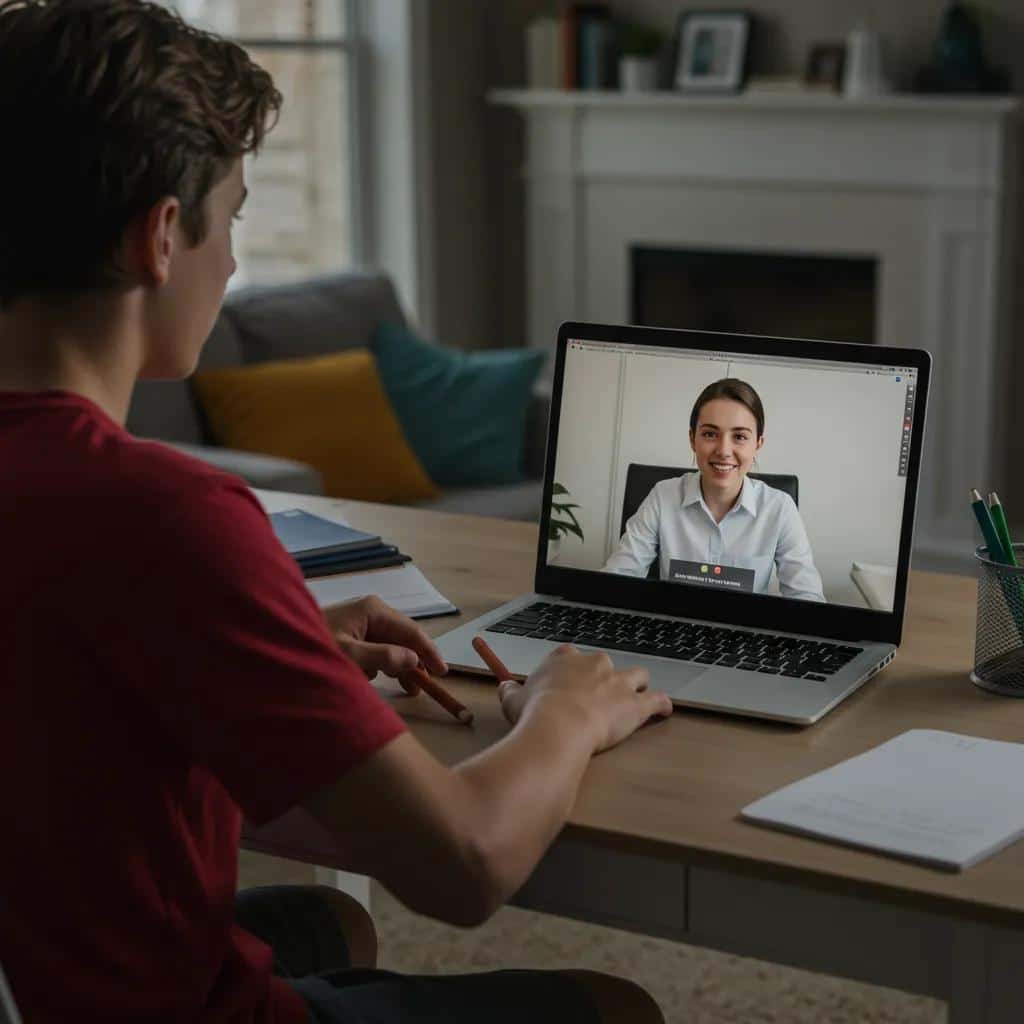
Virtual therapy offers accessible, consistent care that fits around training, competition travel, and school for teen athletes, addressing barriers that make in-person treatment difficult. Compared with conventional outpatient care, virtual models reduce travel time, maintain continuity during seasons, and lower stigma by providing private sessions in comfortable settings. Virtual Intensive Outpatient Programs concentrate treatment hours and combine modalities to accelerate symptom relief while preserving athletic participation. This balance of intensity and flexibility is especially helpful when anxiety or burnout impairs daily functioning yet full inpatient care is unnecessary.
The following table maps Virtual IOP components to athlete-focused benefits to clarify how program elements support sport-specific recovery.
| Program Component | Therapy / Service | Athlete-Focused Benefit |
|---|---|---|
| Individual therapy | CBT/DBT skills work | Targets thought patterns affecting performance |
| Group therapy | Peer skills practice | Builds social support and pressure coping |
| Family sessions | Communication work | Aligns parental support and training plans |
| Psychiatric care | Medication management | Stabilizes severe anxiety or mood symptoms |
What Are the Benefits of a Virtual Intensive Outpatient Program for Young Athletes?
A Virtual IOP provides structured hours of care while preserving training time, offering a multidisciplinary team to address anxiety and burnout across cognitive, emotional, and family systems. The program’s intensity (9–15 hours per week across 3–5 days) accelerates skill acquisition and symptom reduction compared with weekly therapy alone, and family sessions help coordinate support with coaches and schools. Virtual delivery reduces logistical barriers during travel and competition and facilitates continuity when season demands fluctuate. For many teen athletes, this model balances high-quality clinical care with ongoing athletic commitments.
These program features make virtual IOP a practical option for teens who need more than brief therapy but less than inpatient care; families can consider assessment when impairment persists despite self-help.
Which Therapies Are Used to Treat Sports Performance Anxiety and Burnout?
Treatment typically combines Cognitive Behavioral Therapy to restructure performance-related thoughts, Dialectical Behavior Therapy to teach emotion regulation and distress tolerance during high-pressure moments, and group and family therapies to strengthen social support and communication. CBT addresses catastrophizing and builds coping plans for triggers like selection events, while DBT equips athletes with tolerance skills for intense adrenaline and disappointment. Group therapy offers peer normalization and rehearsal of skills under observation, and family therapy aligns adult responses to reduce external pressure. Psychiatric evaluation or medication may accompany psychotherapy when symptoms require biomedical stabilization.
These integrated approaches map directly onto the skill sets coaches and parents value—improved focus, emotion regulation, and resilience—creating practical pathways back to healthy sport engagement.