
Teen Panic Attacks After Caffeine or Energy Drinks: Causes, Symptoms, and Virtual Therapy Options
Caffeine-induced panic attacks occur when stimulant effects overwhelm a teen’s nervous system, producing intense physical and emotional symptoms that can feel like a sudden loss of control. This article explains how caffeine and energy drinks trigger panic in adolescents, how to spot the difference between ordinary jitters and a panic attack, and which virtual therapy options can help when symptoms persist.
Parents and teens will get clear signs to watch for, immediate steps to calm an episode, practical prevention strategies, and guidance on when to seek professional care. The piece also outlines evidence-based therapies such as cognitive behavioral therapy (CBT) and dialectical behavior therapy (DBT), and it describes how virtual intensive outpatient programs support recovery. Read on for quick action steps, comparison tables of common caffeine sources and symptoms, and conversation scripts to help parents address caffeine-related anxiety with their teen.
How Does Caffeine and Energy Drink Consumption Trigger Panic Attacks in Teens?
Caffeine and energy drinks act as central nervous system stimulants that increase heart rate, blood pressure, and autonomic arousal; in susceptible adolescents, this heightened state can escalate into a panic attack. Stimulant-induced increases in adrenaline and norepinephrine can mimic or amplify panic physiology, especially when combined with poor sleep or existing anxiety. Understanding the mechanism helps parents take targeted steps to reduce intake and manage acute symptoms that follow.
Energy and caffeinated beverages vary widely in caffeine content and potential impact on youth.
| Beverage | Typical Caffeine (mg) | Typical Effect on Teens |
|---|---|---|
| Brewed coffee | 80–200 | Strong stimulant; may provoke palpitations and anxiety |
| Energy drinks | 80–300+ | High-dose spikes; linked to jitteriness and panic-like symptoms |
| Soda (cola) | 30–60 | Mild stimulant; less likely to trigger severe panic alone |
| Caffeine pills/supplements | 100–200+ | Rapid onset; higher overdose risk in small bodies |
This table highlights how energy drinks and concentrated supplements present higher risk for provoking panic in adolescents compared with lower-dose sodas, and it informs choices parents can make to limit exposure. Understanding these differences leads directly into the specific physiological effects that produce panic symptoms.
What Are the Physiological Effects of Caffeine on the Adolescent Brain and Body?
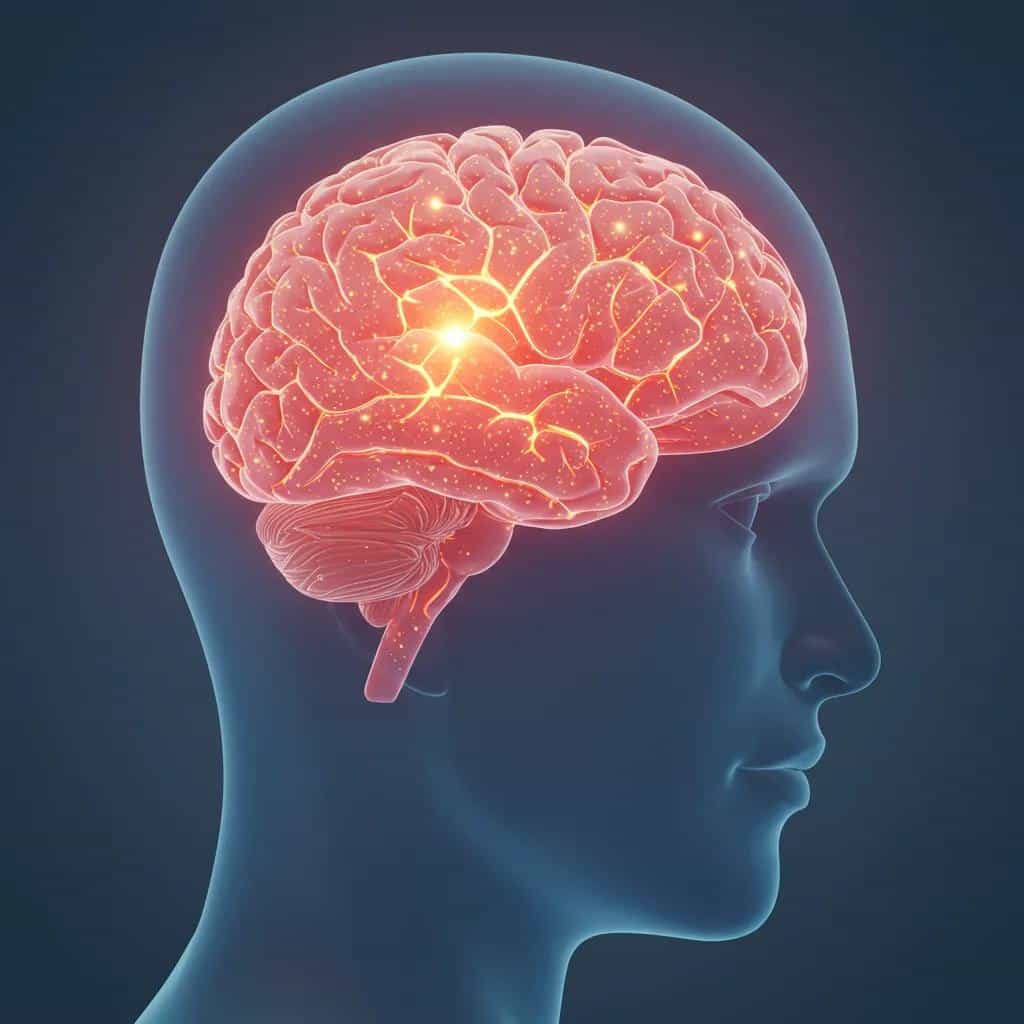
Caffeine blocks adenosine receptors and increases catecholamines, which raises alertness but also elevates heart rate and blood pressure; in teens this can feel like sudden racing, dizziness, and chest discomfort. These cardiovascular and neurochemical changes may also increase cortisol and reduce sleep quality, which magnifies anxiety sensitivity over hours or days. The adolescent brain’s ongoing development makes regulation of arousal less stable, so the same dose that a grown adult tolerates can feel overwhelming to a teen. Recognizing these physiological pathways clarifies why reducing intake and restoring calm physiology are the first steps after an episode.
Why Are Teens More Sensitive to Caffeine and Energy Drinks?
Adolescents tend to have lower body mass, variable metabolism, and developing neural circuits for emotional regulation, making them physiologically more vulnerable to stimulants. Behavioral patterns—like consuming energy drinks during late homework sessions or mixing caffeine with ADHD medications—raise the effective dose and risk. Research through 2024–2025 indicates higher rates of adverse effects in under-19s when exposed to concentrated caffeine sources, reinforcing a conservative approach. This sensitivity means prevention and early management are particularly important for teens, which we discuss next.
What Are the Common Symptoms of Caffeine-Induced Panic Attacks and Anxiety in Teens?
Caffeine-induced panic typically combines physical symptoms with intense fear and cognitive changes, producing episodes that can mimic primary panic disorder but are linked to stimulant exposure. Key signs include rapid heartbeat, sweating, trembling, shortness of breath, and overwhelming dread or derealization. The list below summarizes common physical and emotional symptoms parents should monitor, followed by a quick reference table differentiating jitters from panic.
- Rapid heartbeat or palpitations occurring suddenly after caffeine intake.
- Shortness of breath or a sensation of choking that causes urgent fear.
- Trembling, dizziness, lightheadedness, or faint-like feelings.
- Intense feelings of doom, derealization, or inability to calm down.
These symptom clusters help parents decide whether an episode is transient jitteriness or a panic attack requiring more active management and possible medical evaluation.
| Symptom Cluster | Typical Caffeine Jitters | Typical Panic Attack |
|---|---|---|
| Heart sensations | Mild, short-lived palpitations | Rapid, pounding heart with chest tightness |
| Emotional state | Mild nervousness or restlessness | Overwhelming fear, derealization |
| Duration | Minutes and eases with rest | Peaks within 10 minutes, may last longer |
| Functional impact | Minor, can continue activity | Impairs functioning, may require intervention |
This comparison clarifies when to use immediate calming strategies and when to seek urgent care, particularly if chest pain or severe breathing difficulties occur. Recognizing these distinctions leads into concrete steps for immediate management.
Which Physical Signs Indicate a Teen Is Experiencing a Panic Attack After Caffeine?
Physical red flags that suggest a panic attack rather than routine jitters include chest pain, severe shortness of breath, fainting, or neurologic changes like confusion. If a teen complains of chest pressure, difficulty speaking, or near-fainting, treat the situation as potentially serious and seek emergency evaluation. For less severe episodes, immediate actions include removing caffeine sources, encouraging slow diaphragmatic breathing, and helping the teen sit or lie down comfortably. These urgent management steps reduce sympathetic overdrive and support stabilization while monitoring for escalation.
How Can Parents Differentiate Between Panic Attacks and Normal Caffeine Jitters?
Differentiation rests on intensity, duration, and the level of fear or impairment: jitters are shorter, milder, and do not disrupt functioning, whereas panic attacks involve intense fear, feelings of unreality, and functional impairment that can last longer. Ask three quick questions to triage: Did symptoms start after a large caffeine dose? Is the teen experiencing overwhelming fear or derealization? Are basic calming measures ineffective after 10–20 minutes? If the answer to the latter two is yes, escalate care. These decision rules help parents choose between home management and professional evaluation.
What Virtual Therapy Options Are Available for Teens Experiencing Panic Attacks from Caffeine?
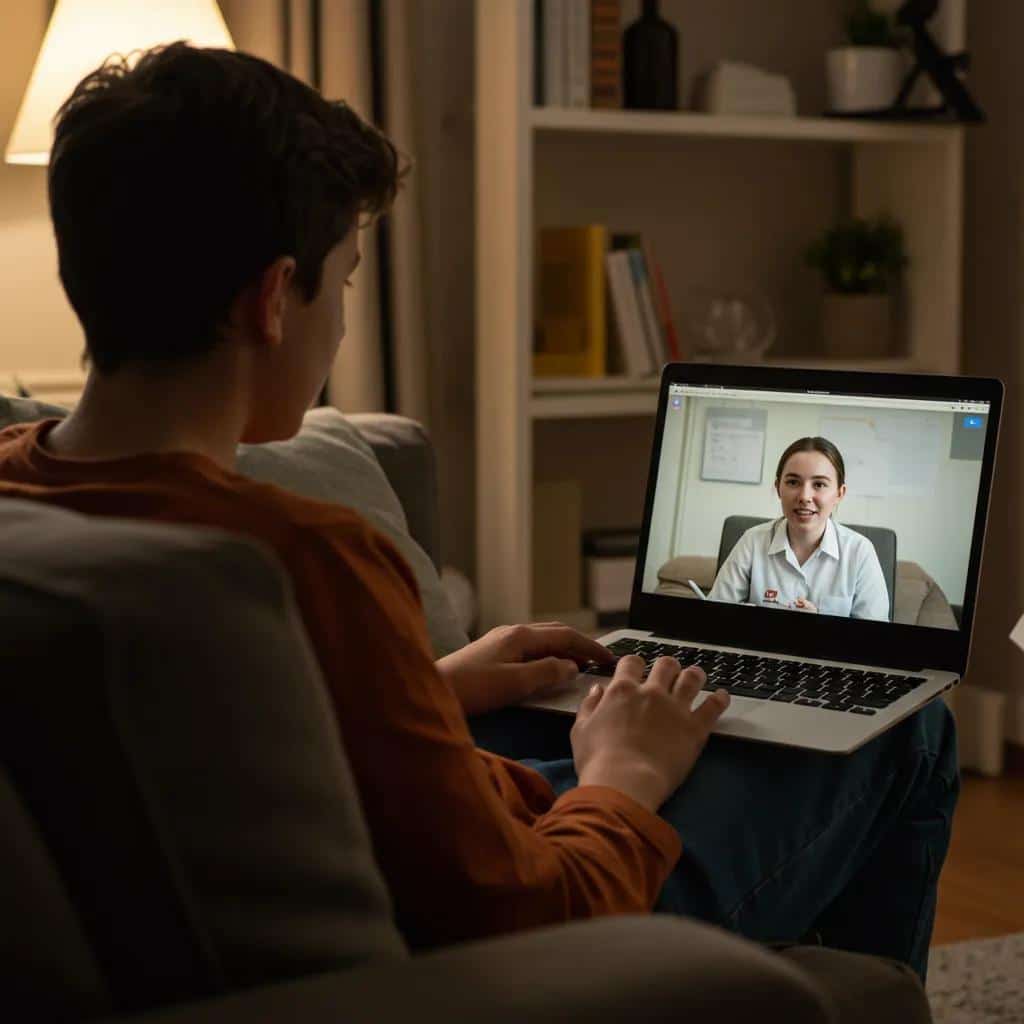
Several virtual interventions can help teens recover from stimulant-triggered panic, ranging from short-term skill coaching to structured multi-week programs.
Evidence-based approaches delivered online include brief CBT for panic, DBT skills groups for distress tolerance, individual therapy for cognitive restructuring, and family therapy to improve home supports.
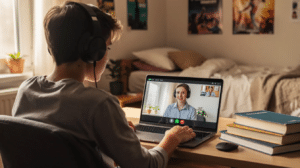
Virtual formats increase access and flexibility, allowing teens to join from home and involve caregivers in sessions. When episodes are frequent, severe, or interfere with school and family life, more intensive virtual care models may be appropriate.
- Virtual IOPs deliver multiple virtual therapy sessions each week to intensively address symptoms.
- Programs combine individual therapy, group therapy, and family sessions to build skills and supports.
- Psychiatric care and clinical monitoring are available to assess medication needs and track progress.
- Typical program structure provides 9–15 hours of online treatment across 3–5 days each week.
These program features target panic symptoms by teaching coping skills, addressing stimulant triggers, and involving family in relapse prevention. For families considering an accessible intensive option, an online IOP can bridge the gap between outpatient therapy and higher levels of care.
How Does the Virtual Intensive Outpatient Program Support Teens with Caffeine-Induced Anxiety?
The virtual IOP model integrates therapies and medical oversight to address both the behavior (caffeine use) and the panic response that follows, focusing on skill building and family involvement. Core components include individual therapy to challenge anxious thinking, group sessions to practice coping strategies, family therapy to create supportive routines, psychiatric consultations for medication evaluation when necessary, and clinical progress monitoring that informs treatment adjustments. Programs are tailored to teens aged 12–17 and emphasize evidence-based therapies like CBT and DBT along with practical relapse prevention. This integrated approach reduces symptoms while teaching sustainable skills to prevent recurrence.
What Evidence-Based Therapies Like CBT and DBT Are Used to Treat Teen Panic Attacks?
CBT for panic focuses on cognitive restructuring and graduated exposure to feared sensations, teaching teens how thoughts drive fear and how behavioral experiments reduce avoidance. DBT contributes distress-tolerance and emotion-regulation modules that help a teen manage acute panic without escalating behaviors. Both therapies translate well to virtual individual or group formats, allowing clinicians to model skills and coach teens in real time. Integrating these therapies within a virtual IOP or outpatient plan supports symptom reduction and improved daily functioning.
How Can Parents Help Prevent and Manage Teen Anxiety Related to Caffeine and Energy Drinks?
Prevention and management combine clear limits, healthy substitutions, sleep and hydration practices, and compassionate communication that engages the teen in problem-solving. Set conservative caffeine limits, remove energy drinks from easy access, and replace stimulant beverages with safer choices while addressing reasons for use such as academic fatigue or social cues. Immediate management steps focus on stopping further caffeine, hydrating, using grounding and breathing techniques, and seeking medical care if severe symptoms appear. The table below compares practical alternatives and why they help.
| Alternative | Why It Helps | How to Introduce |
|---|---|---|
| Water or electrolyte drinks | Rehydrates and reduces palpitations | Offer during homework or sports instead of energy drinks |
| Decaffeinated tea | Maintains ritual with minimal stimulant | Gradually swap caffeinated versions for decaf |
| High-protein snacks | Sustains energy without stimulants | Keep portable snacks available for afternoon lows |
| Short active breaks | Boosts alertness through movement | Schedule 5–10 minute breaks during study sessions |
This comparison gives parents concrete swaps that meet teens’ needs without caffeine, and these shifts set the stage for behavioral conversations detailed next.
What Are Safe Caffeine Limits and Healthy Alternatives for Teens?
Conservative guidance recommends minimizing caffeine for adolescents and avoiding energy drinks because concentrated doses are linked to adverse effects; practical limits favor low-dose sources and infrequent use. Introduce alternatives like water, flavored sparkling water, decaffeinated tea, and protein-rich snacks as healthier energy supports. Encourage consistent sleep and balanced meals to reduce reliance on stimulants, and phase reductions gradually to limit withdrawal symptoms. These steps reduce both the frequency and severity of stimulant-triggered anxiety.
How Can Parents Talk to Teens About Caffeine Risks and Anxiety Symptoms?
- “I noticed you felt really anxious after that drink; are you okay? I want to understand what happened.”
- “I believe you — feeling your heart race is scary. Let’s try replacing that drink with something gentler this week and see how you feel.”
- “If this keeps happening, I want to help you find someone who can teach calming skills; we can do it together.”
These simple scripts open a collaborative pathway to change and make it easier to accept professional help when needed. If you feel a teen’s episodes are frequent or impairing, Adolescent Mental Health offers virtual programs designed for teens aged 12–17, including structured Virtual Intensive Outpatient Programs that combine individual, group, and family therapy with psychiatric support. For families ready to explore intensive virtual care, Adolescent Mental Health accepts inquiries for virtual IOP assessments and individualized treatment planning.