
Key Takeaways
Open a calm, non-judgmental conversation with your teen this week about what feels hard socially, and listen more than you talk.
Help your teen get regular, structured practice (clubs, sports, volunteering) where they can interact face to face with peers and adults.
Teach core skills like starting conversations, active listening, reading body language, and handling conflict through simple role-plays at home.
Balance screen time with real-life interactions and address social anxiety or neurodivergent needs with professional guidance if struggles are persistent or severe.
Focus on progress, not perfection: celebrate small steps, avoid labels like “shy,” and keep home a safe, accepting base while they build confidence.
Introduction: Why Teen Social Skills Matter in 2026
Social skills shape nearly every part of your teenager’s life—from friendships and mental health to school success and future careers. In 2026, the stakes feel higher than ever. Many teens spend 7-9 hours daily on screens, and post-pandemic social delays still linger, with U.S. Surgeon General advisories showing up to 61% of adolescents reporting loneliness.
Heavy reliance on modern technology for communication has made face to face socializing feel unfamiliar to many children and teenagers. Text lacks facial expressions and tone, making it harder for kids to develop the nuanced social cues they need.
Many parents feel unsure how to help teens without nagging or pushing too hard. This article offers concrete, practical steps you can start this week—whether your child is introverted, anxious, or already struggling socially.
Understanding Teen Social Skills (and What “Struggling” Really Looks Like)
Social skills for teenagers go beyond making small talk. They include conversational abilities, reading nonverbal cues, showing empathy, resolving conflict, and advocating for themselves.
Key social skills every teen needs:
Starting and ending conversations naturally
Joining groups without feeling awkward
Handling disagreements calmly
Showing genuine interest in other people’s ideas
Respecting personal boundaries
Common signs your teen is struggling socially:
Few or no invitations to events
Constant texting but avoiding in-person plans
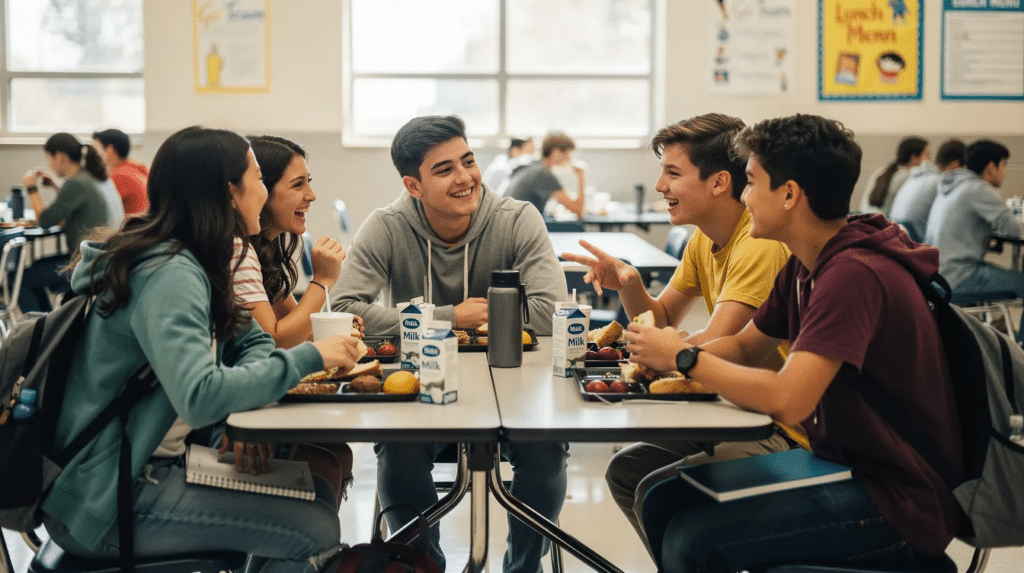
Eating lunch alone at school
Intense worry before social settings
Frequent misunderstandings with peers
Factors that affect social skills development:
Neurodivergence (ADHD, autism), anxiety, learning differences, or chronic illness can all impact social development without being character flaws. The CDC notes 1 in 36 U.S. children are autistic, facing specific challenges like difficulty with sarcasm or eye contact.
Before jumping in:
Observe for 2-3 weeks and jot specific examples (“April 9: refused group project meeting”). This helps you see patterns rather than isolated incidents.
Start at Home: Building a Safe Base and Modeling Social Skills
Home is often the safest practice ground. Your daily interactions are powerful models for your teen’s behavior.
Create a non-judgmental atmosphere:
Skip labels like “the quiet one” or “antisocial”
Avoid teasing about awkward moments
Validate feelings with phrases like “It’s okay to feel nervous about that party”
Model good social behavior:
Show active listening at the dinner table. Apologize when you’re wrong. Handle disagreements calmly with your partner or relatives. Teens learn more from what they observe than what they’re told.
Have a supportive first conversation:
Choose a low-pressure moment—driving on a Saturday, walking the dog, cooking together. Ask open questions: “What’s the hardest part about lunch at school lately?” Listen without immediately offering solutions.
Use specific praise:
Instead of “You did great,” try: “I noticed you said hi to your cousin first today—that took courage.” Specific praise reinforces the exact behavior you want to encourage.

Practical Skills Practice: Conversations, Role-Plays, and Everyday Rehearsals
Social confidence comes from repeated, low-stakes practice. You can coach your teen without making it feel like a lesson.
Teach conversation starters:
Share ready-to-use openers for school: “What did you think of that homework?” or “Seen any good shows lately?” Practice them together until they feel natural.
Try simple role playing at home:
Scenario | Sample Script |
|---|---|
Joining a group at lunch | “Mind if I sit here?” |
Turning down an invitation | “Thanks, but I can’t tonight—maybe next time?” |
Responding to a joke you don’t like | “I didn’t really like that joke. Let’s talk about something else.” |
Standing up to mild peer pressure | “That’s not really my thing, but you go ahead.” |
Practice active listening:
Teach your teen to face the speaker, maintain brief eye contact, ask follow-up questions, and reflect back what they heard: “So you were annoyed when your teammate didn’t pass the ball.”
Try 5-minute practice sessions during meals. Keep sessions light, short, and collaborative—let your teen choose scenarios that feel most relevant (school, part-time job, gaming friends).
Getting Real-World Practice: Clubs, Teams, Jobs, and Volunteering
Regular, structured social activities give teens built-in conversations and shared goals. This makes social interactions feel easier.
After-school clubs and teams:
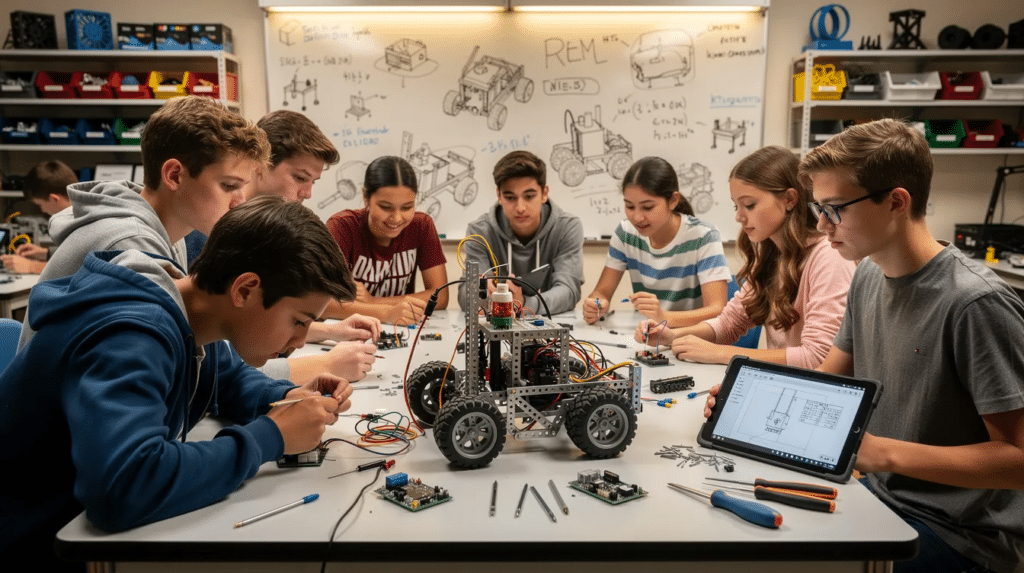
Consider robotics, choir, debate, sports, drama, coding club, D&D groups, or e-sports teams. Pick something that fits their interests—not just what you value.
Low-pressure options for anxious teens:
Library programs, art classes, book clubs, school tech crew, community service projects, or girls clubs and youth groups that meet weekly can provide gradual exposure.
Early job experiences (age 15-16):
Babysitting, pet-sitting, local café work, or summer camp helping builds communication skills with both adults and peers.
Support your teen’s involvement:
Help with transport
Offer to attend intro meetings together
Agree on a trial period (commit to 4-6 meetings before deciding to quit)
Debrief after activities:
Ask specific questions: “Who did you talk to?” “What went a tiny bit better than last time?” Spotlight small wins to build self esteem.
Balancing Screens and Face-to-Face Interaction
Social media, texting, and gaming are central to teen life in 2026, but they can crowd out in-person practice.
Why excessive screen time matters:
Late-night scrolling disrupts sleep and stunts body language proficiency. Text-based communication lacks the facial expressions and tone needed to read social cues accurately.
Co-create realistic boundaries:
Device-free dinners
Tech curfew (no phones in bedroom after 10 p.m. on school nights)
“Offline hours” on weekends
Turn online time into practice:
Encourage activities that encourage voice chat instead of all text. Support collaborative projects (videos, music, art) with peers. Gaming with voice chat can actually bridge to better in-person skills.
Address cyberbullying:
Calmly ask about online conflicts. Help teens plan assertive responses like “That hurt—please stop.” Know when to block, report, and involve school or other adults.
Supporting Teens With Anxiety, Autism, or Other Unique Needs
Some teens need more explicit teaching, patience, and sometimes professional support. This is normal—not a failure of parenting.
Recognizing social anxiety:
Look for intense fear of embarrassment, physical symptoms (nausea, shaking), and avoiding presentations, parties, or school. This differs from simple shyness by its persistence and distress level.
Simple coping strategies parents can introduce:
Deep breathing techniques (4-7-8 method: inhale 4s, hold 7s, exhale 8s)
“Ladder steps” from saying hi to sitting with new people
Supportive self-talk: “I’m practicing, not performing”
Autism and neurodevelopmental differences:
Some teens struggle with eye contact, understanding sarcasm, or group conversations. Focus on clarity and explicit teaching of social rules: “Eye contact signals interest, but brief is fine.”
When to seek professional guidance:
Consider help if you notice persistent distress, school refusal, panic attacks, talk of self-harm, or no improvement after months. Options include school counselors, therapists, or social skills groups.
Use a strengths-based approach:
Encourage activities where your teen’s interests shine—niche clubs related to their passions. Their identity shouldn’t just be “the kid who struggles socially.”
Encouraging Empathy, Kindness, and Healthy Boundaries
Strong social skills aren’t just about being liked. They’re about being kind, respectful, and safe in relationships.
Coach perspective-taking:
During family discussions or when reviewing news, ask: “How do you think your friend felt when that happened?” Help them step into else’s shoes regularly.
Teach boundaries:
Cover saying no, leaving uncomfortable social situations, and recognizing red flags (controlling friends, constant put-downs, pressure to send photos or substance use).
Model kindness:
Discuss small daily acts: checking in on a classmate, inviting someone sitting alone to join. Share real stories from school or news.
Important distinction:
Teens should never accept bullying or disrespect “for practice.” Help them differentiate between normal conflict and unhealthy dynamics that threaten self worth.
Staying Patient: Tracking Progress and Avoiding Common Parent Pitfalls
Growth in social skills is gradual and uneven. Setbacks around transitions like starting high school are normal.
Track small changes over 1-3 months:
New acquaintances
Shorter recovery time after setbacks
Willingness to try one new activity
Avoid common pitfalls:
Comparing to siblings or cousins
Forcing big parties or social events
Joking about awkwardness in front of others
Dismissing worries as “drama”
Set collaborative goals:
Choose 1-2 small goals monthly with your teen: “Say hi to two classmates” or “Join the science club for at least three meetings.”
Many adults who once struggled during their teenage years now have rich friendships and careers. Your steady, compassionate emotional support during self discovery makes a real difference in helping them reduce anxiety and build stronger relationships.
FAQ
What if my teenager refuses to talk about their social life?
This is common and not necessarily disrespectful—teens often feel embarrassed or overwhelmed. Switch to low-pressure moments like driving or walking the dog. Ask smaller, concrete questions instead of “How’s your social life?” Offer options: “Do you want ideas, or just want me to listen?” Keep doors open without forcing conversations.
How can I tell if my teen is just introverted, not socially behind?
Introversion is about needing more downtime, not lacking skills. Check if your teen has one or two meaningful friends, can handle basic interactions, and sometimes enjoys being with others. Concern is warranted if they seem lonely, distressed, or unable to navigate social situations—not just preferring quiet weekends.
Should I arrange hangouts for my teenager?
By 13-17, teens prefer initiating their own plans, but some scaffolding helps. Offer behind-the-scenes support: driving, brainstorming who to invite, suggesting low-pressure activities. Never surprise them with unannounced guests. For very anxious teens, you may need more involvement initially, then gradually foster independence.
What if my teen’s friends are a negative influence?
Name specific behaviors that concern you (substance use, cruel jokes) rather than attacking the friends’ character. Help broaden their social connections through clubs, sports, or part-time work so they aren’t dependent on one unhealthy group. Keep communication open and set clear family safety boundaries.
How long does improvement usually take?
With consistent support, many parents notice small shifts within 4-8 weeks—more eye contact, one new acquaintance. Deeper changes like reduced teen depression risk or better conflict handling take months. Celebrate incremental progress and seek professional help if there’s no change after several months. Social development continues well into the early 20s.