
Key Takeaways
Social skills are learnable, especially during the teenage years—starting conversations at school and resolving conflicts with friends are abilities that grow with practice, not just personality traits.
Daily, low-pressure practice like greeting classmates or asking a teacher one question makes all the difference compared to rare big efforts.
Balancing online and face to face interactions, alongside understanding emotions, matters as much as classic skills like eye contact and small talk.
It’s normal for teens to struggle socially; support can come from family members, mentors, girls clubs, boys clubs, and mental health professionals.
This article provides specific, practical ideas—joining a club, role playing conversations, or volunteering on weekends—that can be started this week.
Introduction: Why Social Skills Matter So Much in the Teen Years
Today’s teenagers are growing up in a world fundamentally different from previous generations. Young people born between 2007 and 2013 have smartphones as normalized communication tools, social media as a primary social setting, and school environments that shifted dramatically during and after the pandemic. This context creates both opportunities and social challenges that their parents never faced.
So what exactly are social skills? They include reading body language in the cafeteria, collaborating on a group project, handling disagreements in group chats, and speaking up to a coach. Research shows that many high school students report persistent feelings of sadness or loneliness, and building social connections directly supports mental health and well being.
Having strong social skills doesn’t mean being the loudest or most popular teen. It means being able to connect, cooperate, and communicate in ways that feel authentic. This guide covers emotion understanding, real life practice, online balance, cultural awareness, helping others, and when to seek extra support.
Recognizing When Social Skills Need Extra Attention
Every teen is different, but certain signs suggest a teenager might need focused support with social skills development. Noticing these patterns early allows for kind, practical responses rather than criticism.
Common signs to watch for:
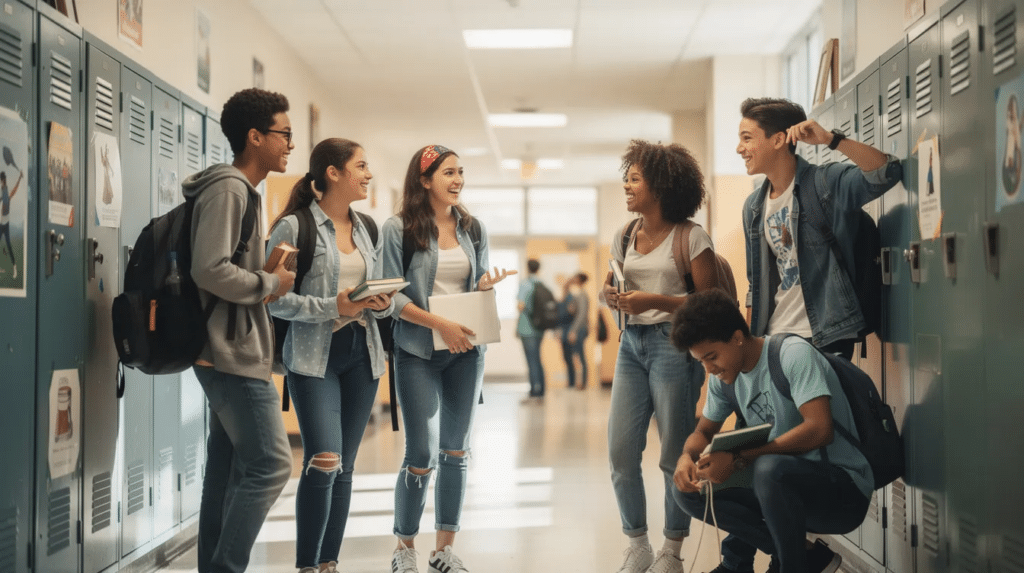
Avoiding school events like dances, sports games, or social gatherings
Eating alone most days throughout 7th–12th grade
Intense worry before presentations or social situations
Frequent misunderstandings in group chats or text conversations
Difficulty keeping friends over a semester or school year
There’s an important distinction between natural introversion and social struggles. An introverted teen may enjoy quiet time but still maintain meaningful relationships and healthy friendships. A teen experiencing social anxiety or genuine skill gaps wants social connections but feels unable to navigate social challenges.
Transitions like starting middle school, moving to a new city, or beginning high school in 9th grade can temporarily intensify these struggles. This is normal—and recognizing these signs early allows families to respond with supportive strategies.
Modeling and Teaching Healthy Social Interactions at Home
Parents and guardians function as a teen’s first social coach, even when teens act like they aren’t listening. Teenagers will always learn what they see quicker than what they hear, making modeling behavior critically important for teenage social skills.
Concrete daily situations to model:
Greeting neighbors on weekday mornings
Thanking cashiers at the grocery store
Calmly resolving disagreements at home without raised voices
Simple family practices that build skills:
Weekly family dinners without phones
Rotating who asks questions around the table
Shared weekend activities where everyone takes turns choosing conversation topics
“Thinking out loud” about conflicts—narrating how you handled a disagreement with a coworker
Use positive language and avoid harsh labels like “you’re so awkward.” Instead, focus on specific behaviors: “You really listened to your cousin today—I noticed you asked follow-up questions.” This builds self confidence rather than shame.
Helping Teens Understand and Express Their Emotions
Emotional regulation forms the foundation of healthy social skills because it affects tone of voice, reactions, and empathy in social interactions. Without emotional awareness, teens struggle to understand social cues from peers.
Tools to help teens name emotions:
Simple mood check-ins at bedtime
A printed emotion chart on the fridge
A shared notes app for typing feelings after a hard school day
When validating emotions, use specific phrases. Say “It makes sense you’re upset that your friends hung out without you” rather than “It’s not a big deal.” This emotional support helps teens feel accepted and understood.
Basic calming strategies teens can use:
Deep breathing before a presentation
Stepping outside for a 5-minute walk
Writing a quick journal note after a conflict
Help teens connect emotions to actions—noticing how anger leads to snapping at a sibling, or anxiety to avoiding group work. This awareness is crucial for building social skills.
Building Everyday Conversation Skills
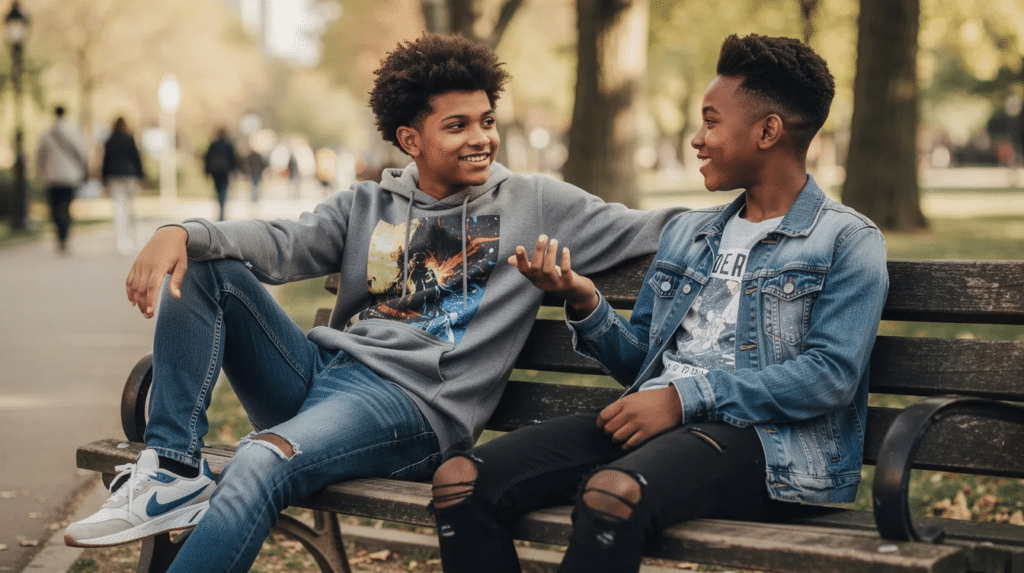
Conversation skills improve with practice, like sports or music. Teens don’t need to be endlessly talkative to be good conversationalists—they need communication skills that feel natural.
A simple conversation formula:
Start with a greeting
Add a small comment or question about school, music, or shared classes
Listen for something to ask about next
Practical daily challenges:
Greeting 3–5 people each school day (teachers, classmates, bus driver)
Asking one follow-up question in each conversation
Making one friendly comment during group work
Example dialogue between two 9th graders:
“Hey, how’d you do on the history test?”
“Pretty good, I think. That essay question was tough though.”
“Same. Are you going to the basketball game Friday?”
This simple exchange demonstrates greeting, shared experience, and active listening—core conversation skills.
Nonverbal communication matters equally: relaxed eye contact, open posture, nodding while listening, and avoiding phone checking while someone talks. Understanding body language and facial expressions helps teens read social dynamics accurately.
Encourage role playing at home where parent and teen trade roles. The teen acts as a new classmate while the parent acts as the teen, practicing starting conversations and handling awkward pauses. This social skills training reduces anxiety in real situations.
Practicing Social Skills Through Activities and Clubs
Structured extracurricular activities create natural opportunities for social skills activities—talking, cooperating, and making friends without the pressure of “being social” as the primary goal.
Relevant options for 2024–2026:
School esports teams
Robotics clubs
School newspapers and literary magazines
Drama productions
Music ensembles
Debate and coding clubs
Youth sports leagues
Community art classes
Parents and teens can start small by attending one club meeting or an interest fair rather than committing to a full season. Weekend options include volunteering at library summer reading programs, joining community clean-up days, or participating in youth groups at community centers.
Data shows that 1 in 5 teens volunteer monthly in their school or neighborhood. These structured environments help teens work effectively with peers while developing self worth through shared accomplishments.
Focus on enjoyment and effort rather than being the “best.” Shared goals—like preparing a May performance or finishing a term project—naturally build teamwork and strong relationships.
Balancing Online and In-Person Social Life
Teens now build friendships through apps, gaming platforms, and social media alongside hallways and classrooms. The goal isn’t eliminating screen time but balancing it with regular face to face socializing.
Family tech agreement elements:
Daily screen limits (e.g., 2 hours recreational on school nights)
Phone-free times during dinner and after 10 p.m.
Consequences focused on learning rather than punishment
Clear explanations about what’s safe to share online
Too much screen time can reduce opportunities for in-person practice. Encourage activities like inviting a friend over one weekend monthly, joining study groups before exams, or attending school events rather than only interacting online.
Media literacy matters: help teens understand that highly edited photos and curated posts—during prom season or vacations—don’t represent real life. This reduces social anxiety driven by unrealistic comparison and supports healthier self esteem.
Exploring Different People, Customs, and Cultures
Learning about different backgrounds and traditions grows empathy and helps teens connect with a wide range of peers—an important social skill for future college, travel, and diverse workplaces.
Family activities to encourage activities across cultures:
Trying a recipe from another country monthly
Watching subtitled films on Friday nights
Attending local cultural festivals
Encourage teenagers to ask respectful questions about classmates’ traditions—Ramadan, Diwali, Lunar New Year—without stereotyping. Classroom projects pairing teens across grades or backgrounds, like international pen pals, build these skills naturally.
Learning to navigate differences calmly is just some of what prepares teens for diverse social settings throughout life.
Finding Purpose and Confidence by Helping Others
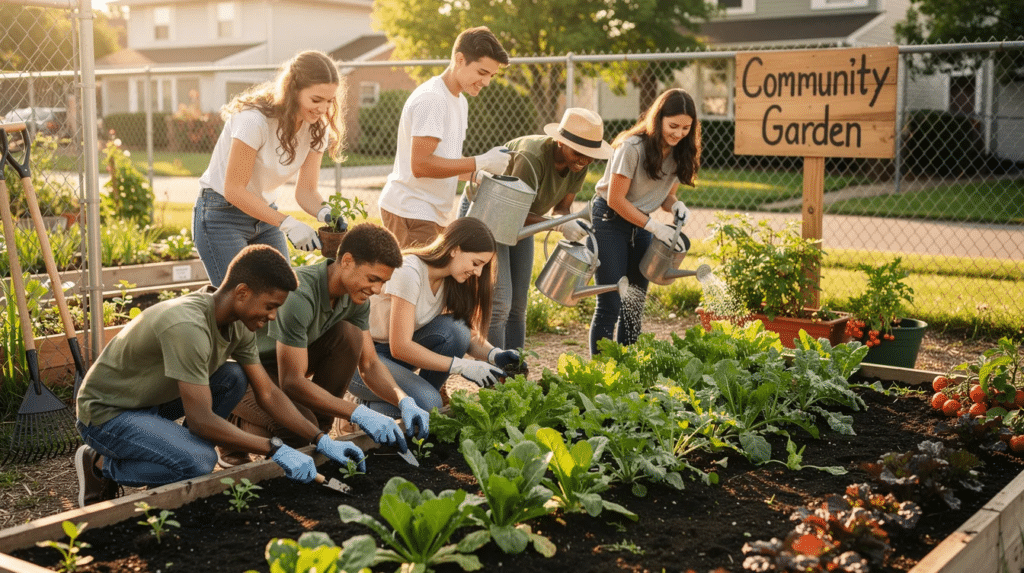
Community service gives teens purpose and a low-pressure context to practice conversation and teamwork. When the focus shifts from “How do I look?” to “How can I make this person’s day better?”, self-consciousness decreases dramatically.
Volunteering ideas:
Stocking shelves at a food bank on Saturday mornings
Tutoring younger students after school
Walking dogs at animal shelters
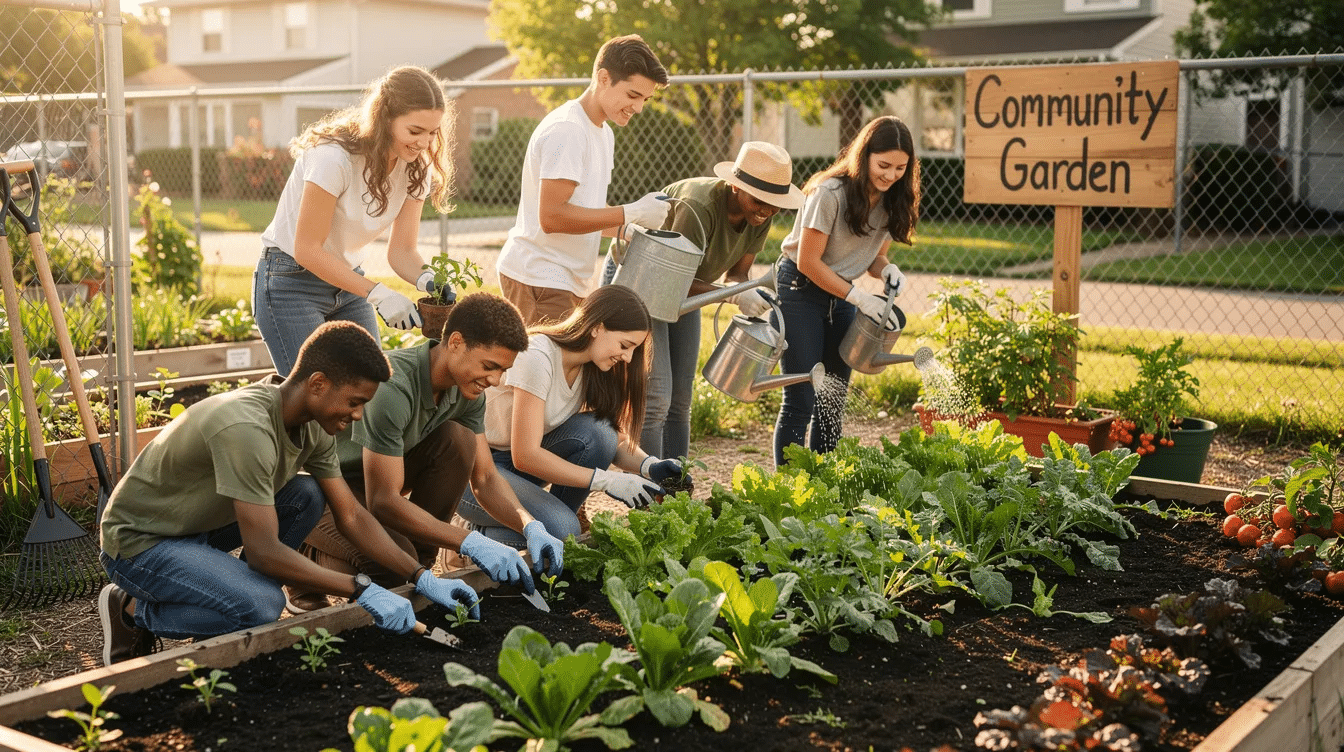
Helping at community gardens in spring
Writing letters to seniors around holidays
Choose one project per season—park clean-up in April, supply drive in August, holiday donations in December. Involve teens in planning and communication with organizers.
These activities appear on school records and college applications, which may motivate some teens. More importantly, they build self discovery and reduce anxiety by providing meaningful social interactions with clear purposes.
When to Seek Extra Help: Mentors, Groups, and Professionals
Sometimes families need outside support to improve social skills—just like they might need a tutor for math. This is normal and doesn’t indicate failure.
Types of support available:
Mentors: Older teens, coaches, teachers, or community leaders who meet regularly to discuss social challenges
Structured programs: Youth leadership groups, peer mentoring, social skills groups run by counselors
Mental health professionals: School counselors, psychologists, or therapists using approaches like cognitive behavioral therapy
Professionals can help with social anxiety disorder, teen depression, or bullying through gradual exposure and coping strategies. A randomized controlled trial approach has validated many of these therapeutic techniques.
Signs professional help is needed:
Persistent school refusal over several weeks
Panic attacks before social events
Self-harm talk or complete withdrawal from all friends
Low self esteem that interferes with daily functioning
For teens with autism spectrum disorder or ADHD, these strategies still apply but may need more repetition, visual aids, and predictable routines. Specialized social skills groups for neurodivergent teens provide safe spaces to practice with supportive peers.
Putting It All Together: A Simple Weekly Plan
A realistic, flexible weekly plan helps teens build teen social skills without overwhelming their schedule. Adjust based on school workload and energy.
Sample week goals: | Day | Goal | |—–|——| | Monday | Attend one club meeting or activity | | Tuesday-Friday | Greet 3+ classmates daily | | Weekend | One in-person hangout or study session | | Any evening | Family conversation night (phones away) | | Weekly | One act of kindness or service |
Track progress simply—calendar checkmarks, notes app, or journal. Reflect Sunday on what felt easier or harder socially.
Set small, measurable goals: “This week I will start one new conversation in science class” beats vague aims like “I will be more social.” Each teen’s pace is different.
Social development builds over months and years, not days. Setbacks—awkward interactions, misread social cues, failed attempts—are normal parts of learning. Celebrate small wins and keep practicing.
FAQ
How long does it usually take for a teenager to improve their social skills?
Noticeable changes can appear within a few weeks of consistent practice, such as daily greetings or regular club participation. However, deeper confidence and ease in social situations often develop over several months to a year. Families should check in every 4–6 weeks to reflect on progress rather than expecting transformation in days. Each teen’s pace differs, especially when anxiety, autism, or learning differences are involved.
What if my teenager prefers to be alone—should I push them to be more social?
There’s a difference between healthy solitude preference and worrying isolation. An introverted teen may enjoy alone time but still maintain a few meaningful friendships. Invite rather than force: offer options like small clubs or one-on-one hangouts instead of large parties. Respect their need for downtime. Seek guidance if the teen seems deeply lonely, hopeless, or refuses nearly all social contact for several weeks.
How can teachers support teens who struggle socially in the classroom?
Teachers can use structured pair or small-group work with clearly defined roles—note-taker, presenter, timekeeper—so quieter students have clear participation paths. Model respectful discussion, explicitly teach turn-taking and active listening, and thoughtfully pair struggling teens with kind, patient peers. Short check-ins after class praising specific efforts (“You contributed a great idea during group work”) make a significant role in building confidence.
What if my teen has autism or ADHD—do these strategies still apply?
Many principles—clear modeling, emotion coaching, structured practice, supportive activities—help neurodivergent teens but may need more repetition, visual aids, and predictable routines. Collaborate with school special education staff, occupational therapists, or psychologists who can adapt role-plays and scripts. Specialized social skills groups for neurodivergent teens provide safe spaces to learn from peers who understand similar experiences.
How can teens stay safe while building social skills online?
Set privacy settings carefully, limit personal information sharing (full name, address, school location), and be cautious about friend requests from strangers. Keep sensitive conversations off public comment sections. Talk to a trusted adult about cyberbullying, harassment, or pressure to share risky content. Parents should stay informed about apps their teens use and focus discussions on safety and respect rather than surveillance alone. Build confidence in other kids gradually through moderated online spaces.