

How To Practice Mindfulness Daily As A Teen: Effective Techniques and Benefits
Practicing mindfulness can be a transformative experience for teenagers, helping them navigate the complexities of adolescence with greater ease. Mindfulness involves being fully present in the moment, which can significantly enhance mental well-being. This article will explore effective techniques for daily mindfulness, the benefits it offers for mental health, and practical strategies for integrating mindfulness into everyday routines. Many teens face stress, anxiety, and emotional challenges, and mindfulness provides a powerful tool to manage these issues. We will delve into various mindfulness exercises, the science behind their effectiveness, and how to incorporate them seamlessly into daily life.
Effective Techniques for Daily Mindfulness
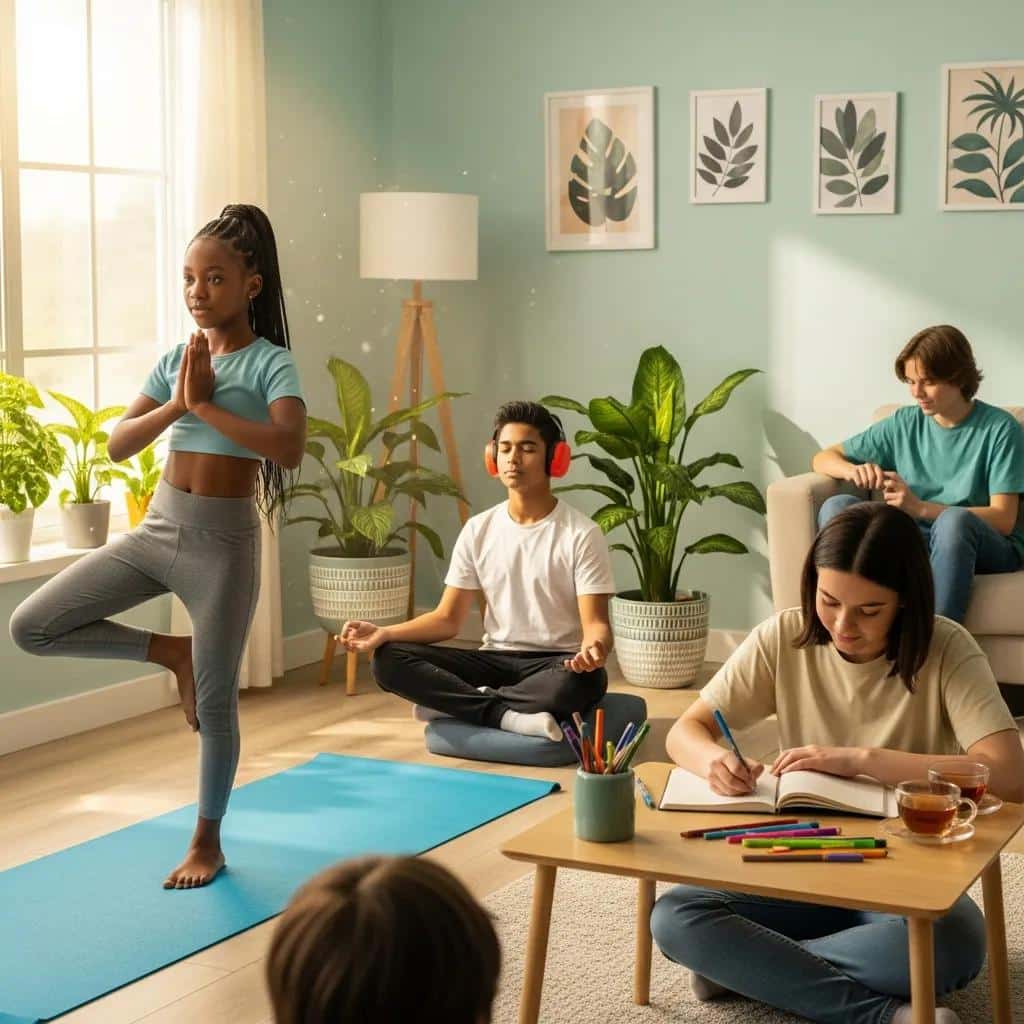
There are several effective techniques that teens can use to practice mindfulness daily. These techniques can help cultivate a sense of awareness and presence, making it easier to cope with stress and anxiety.
- Breathing Exercises: Focusing on the breath is a fundamental mindfulness practice. Simple techniques like deep breathing or box breathing can help calm the mind and reduce stress.
- Guided Meditation: Using apps or online resources, teens can engage in guided meditations that lead them through mindfulness practices, making it easier to stay focused.
- Mindful Eating: Paying attention to the experience of eating—savoring each bite and noticing flavors—can enhance the mindfulness experience and promote healthier eating habits.
- Yoga and Stretching: Incorporating yoga into daily routines not only improves physical health but also fosters mindfulness through movement and breath awareness.
- Journaling: Writing down thoughts and feelings can help teens process their emotions and reflect on their experiences, promoting a mindful approach to daily life.
These techniques provide a solid foundation for developing a consistent mindfulness practice.
Benefits for Mental Health

Practicing mindfulness offers numerous benefits for mental health, particularly for teenagers who often face unique challenges. Engaging in mindfulness can lead to:
- Stress Relief: Mindfulness helps reduce stress by promoting relaxation and a sense of calm.
- Better Focus: Regular mindfulness practice can enhance concentration and attention, making it easier to engage in schoolwork and other activities.
- Emotional Regulation: Mindfulness teaches teens to observe their emotions without judgment, leading to healthier responses to stressors.
- Improved Behavior: By fostering self-awareness, mindfulness can lead to better decision-making and reduced impulsivity.
- Boost in Well-Being: Overall, mindfulness contributes to a greater sense of happiness and life satisfaction.
Adolescent Mental Health is a specialized organization focused on supporting teenagers aged 12-17 with mental well-being tools, particularly through virtual treatment programs. These programs can provide additional support for teens looking to enhance their mindfulness practice.
Strategies for Integrating Mindfulness into Daily Routines
Integrating mindfulness into daily routines can be simple and effective. Here are some strategies that teens can adopt:
- Morning Routine: Start the day with a few minutes of mindfulness, such as meditation or deep breathing, to set a positive tone for the day.
- Scheduled Breaks: Incorporate short mindfulness breaks throughout the day, especially during stressful periods, to recharge and refocus.
- Mindfulness Apps: Utilize technology by downloading mindfulness apps that offer guided meditations and reminders to practice mindfulness.
- Family Involvement: Encourage family members to join in mindfulness practices, creating a supportive environment for everyone.
- Consistent Practice: Make mindfulness a regular part of daily life by setting aside specific times for practice, whether in the morning, during lunch, or before bed.
These strategies can help teens seamlessly incorporate mindfulness into their lives, making it a natural part of their daily routine.
What Are Simple Daily Mindfulness Exercises For Teens?
Simple daily mindfulness exercises can be easily integrated into a teen’s life. Here are a few effective options:
- Mindful Breathing: Spend a few minutes focusing solely on the breath, noticing the sensation of air entering and leaving the body.
- Body Scan Meditation: Lie down comfortably and mentally scan the body from head to toe, noticing any areas of tension or discomfort.
- Guided Meditation: Use a meditation app to follow along with a guided session tailored for teens.
- Mindful Walking: Take a walk while paying attention to the sensations of movement and the environment, such as sounds and sights.
- Journaling for Mindfulness: Write about daily experiences, focusing on feelings and thoughts without judgment.
These exercises are accessible and can be practiced anywhere, making them ideal for busy teens.
How Can Teens Practice Mindful Breathing To Reduce Stress?
Mindful breathing is a powerful technique for reducing stress. It involves focusing on the breath to anchor oneself in the present moment. Here are some effective techniques for practicing mindful breathing:
- Box Breathing: Inhale for a count of four, hold for four, exhale for four, and hold again for four. Repeat this cycle several times.
- Diaphragmatic Breathing: Place one hand on the chest and the other on the abdomen. Breathe deeply through the nose, allowing the abdomen to rise, and exhale slowly through the mouth.
- Focused Breathing: Simply focus on the natural rhythm of the breath, observing each inhale and exhale without trying to change it.
- Guided Breathing Exercises: Use apps or online resources that provide guided breathing exercises to help maintain focus.
These techniques can help teens manage stress effectively, promoting a sense of calm and clarity.
What Are Easy Mindfulness Meditation Techniques Suitable For Adolescents?
Adolescents can benefit from various easy mindfulness meditation techniques that cater to their unique needs. Here are some suitable options:
- Short Guided Meditations: Many apps offer brief guided meditations that are perfect for busy schedules.
- Visualization Techniques: Encourage teens to visualize a peaceful scene or a positive outcome, helping to reduce anxiety and promote relaxation.
- Body Scan Meditations: This technique involves mentally scanning the body for tension and consciously relaxing each part, fostering a sense of calm.
These techniques are designed to be accessible and engaging for teens, making mindfulness meditation a practical option for daily practice.
What Are The Benefits Of Mindfulness For Teen Mental Health?
Mindfulness has been shown to provide significant benefits for teen mental health. Some of the key advantages include:
- Emotional Regulation: Mindfulness helps teens become more aware of their emotions, allowing them to respond rather than react impulsively.
- Stress Reduction: Regular mindfulness practice can lower stress levels, making it easier to cope with academic and social pressures.
- Improved Focus: Mindfulness enhances concentration, which can lead to better academic performance and engagement in activities.
These benefits highlight the importance of incorporating mindfulness into the lives of teenagers.
How Does Mindfulness Improve Emotional Regulation In Teens?
Mindfulness improves emotional regulation in teens by fostering greater awareness of their thoughts and feelings. This practice allows them to:
- Increase Emotional Awareness: By observing their emotions without judgment, teens can better understand their emotional responses.
- Develop Healthier Responses: Mindfulness encourages teens to pause and reflect before reacting, leading to more thoughtful and constructive responses to challenges.
- Build Resilience: Regular mindfulness practice can help teens develop coping strategies, making them more resilient in the face of adversity.
These aspects of mindfulness contribute to healthier emotional development during adolescence.
What Evidence Supports Mindfulness For Reducing Teen Anxiety?
Recent studies have shown that mindfulness can be an effective intervention for reducing anxiety in teens. Key findings include:
- Research Studies: Various studies indicate that mindfulness practices can lead to significant reductions in anxiety symptoms among adolescents.
- Statistics on Teen Anxiety: Reports suggest that anxiety disorders are prevalent among teens, making effective interventions crucial. According to the National Institutes of Health, about 31.9% of adolescents have any anxiety disorder.
- Mindfulness as an Intervention: Mindfulness-based programs have been implemented in schools, demonstrating positive outcomes for students’ mental health.
This evidence underscores the potential of mindfulness as a valuable tool for addressing anxiety in teenagers.
How Can Teens Stay Mindful Throughout Their Daily Activities?
Staying mindful throughout daily activities can be challenging, but there are several strategies that can help:
- Mindful Breathing: Incorporate short mindful breathing exercises during transitions between activities.
- Journaling: Take a few moments to reflect on the day’s experiences and feelings, promoting mindfulness in daily life.
- Mindful Eating: Practice being present during meals, focusing on the taste, texture, and aroma of food.
These strategies can help teens maintain mindfulness throughout their busy days.
What Strategies Help Teens Maintain Mindfulness During School And Social Situations?
Maintaining mindfulness during school and social situations can be particularly beneficial for teens. Here are some effective strategies:
- Breathing Exercises: Use quick breathing techniques to center oneself before tests or social interactions.
- Mindful Transitions: Take a moment to pause and breathe deeply when transitioning between classes or activities.
- Active Breaks: Engage in short physical activities that promote mindfulness, such as stretching or walking, during breaks.
These strategies can help teens remain grounded and focused in various environments.
How Do Virtual Mindfulness Programs Support Daily Practice For Teens?
Virtual mindfulness programs can provide valuable support for teens looking to practice mindfulness daily. These programs often include:
- Engagement Techniques: Interactive elements that keep teens motivated and engaged in their mindfulness practice.
- Support Resources: Access to mental health professionals and community support through online platforms.
- Flexibility: The ability to practice mindfulness at their own pace and schedule, making it easier to integrate into daily life.
These features make virtual mindfulness programs an excellent resource for teens seeking to enhance their mindfulness practice.