
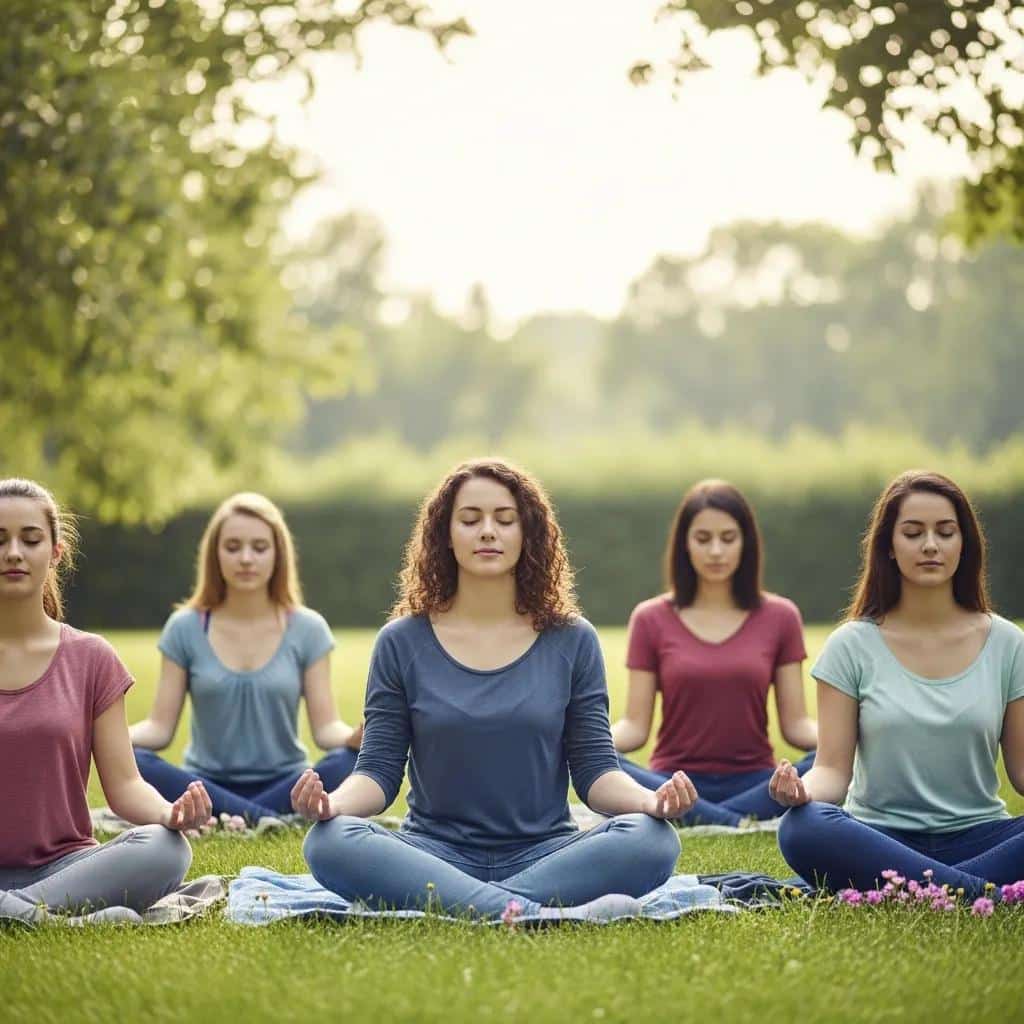
Mindfulness Practices for Adolescents: Essential Exercises and Virtual Programs to Enhance Teen Well-Being
Mindfulness practices have gained significant attention as effective tools for enhancing mental health, particularly among adolescents. These practices involve techniques that promote awareness and presence, helping teens navigate the complexities of their emotional and social environments. In this article, we will explore essential mindfulness exercises tailored for adolescents, the benefits of these practices, and the availability of virtual programs that support teen mental health. Many teenagers face challenges such as stress, anxiety, and emotional dysregulation, which can impact their overall well-being. Mindfulness offers a promising solution by equipping them with skills to manage these challenges effectively. We will delve into various mindfulness exercises, the advantages they provide, and how virtual programs can facilitate these practices.
Essential Mindfulness Exercises

Mindfulness exercises are designed to cultivate awareness and promote emotional regulation among adolescents. These practices can be easily integrated into daily routines, making them accessible for teens. Some key mindfulness exercises include:
- Mindful Breathing: This exercise involves focusing on the breath, helping to anchor the mind and reduce anxiety.
- Body Scan Meditation: This practice encourages individuals to pay attention to different parts of their body, promoting relaxation and awareness of physical sensations.
- Mindful Walking: Engaging in walking with awareness allows teens to connect with their surroundings and clear their minds.
These exercises not only enhance mindfulness but also contribute to improved emotional regulation and stress management.
Virtual Programs
Virtual mindfulness programs have emerged as valuable resources for adolescents seeking mental health support. These programs offer structured guidance and accessibility, making mindfulness practices more approachable. Key features of virtual programs include:
- Interactive Sessions: Many programs provide live sessions led by experienced instructors, allowing for real-time engagement and feedback.
- On-Demand Resources: Teens can access recorded sessions and materials at their convenience, making it easier to practice mindfulness regularly.
- Community Support: Virtual platforms often foster a sense of community, enabling participants to share experiences and support one another.
These programs are particularly beneficial for adolescents who may feel isolated or overwhelmed, providing them with tools to enhance their mental well-being.
Benefits of Mindfulness for Teens
Mindfulness practices offer numerous benefits for adolescents, significantly impacting their mental health and overall well-being. Some of the key advantages include:
- Emotional Regulation: Mindfulness helps teens recognize and manage their emotions, leading to improved emotional stability.
- Stress Reduction: Regular mindfulness practice can lower stress levels, making it easier for teens to cope with academic and social pressures.
- Improved Focus: Mindfulness enhances concentration and attention, which can positively affect academic performance.
These benefits highlight the importance of integrating mindfulness into the lives of adolescents, providing them with essential skills for navigating their formative years.
Support for Parents and Educators
Parents and educators play a crucial role in supporting mindfulness practices among adolescents. Here are some strategies they can employ:
- Model Mindfulness: Adults can demonstrate mindfulness behaviors, such as taking deep breaths or practicing gratitude, to encourage teens to adopt similar practices.
- Create a Calm Environment: Establishing a peaceful atmosphere at home or in the classroom can facilitate mindfulness practices.
- Encourage Open Communication: Discussing mindfulness and its benefits can help normalize these practices and motivate teens to engage.
By fostering a supportive environment, parents and educators can significantly enhance the effectiveness of mindfulness practices for adolescents.
How Does Mindfulness Improve Emotional Regulation in Teens?
Mindfulness improves emotional regulation in teens by promoting awareness of their thoughts and feelings. This practice encourages individuals to observe their emotions without judgment, allowing them to respond rather than react impulsively. Techniques such as mindful breathing and body scan meditation help adolescents develop a greater understanding of their emotional states, leading to healthier coping mechanisms. As a result, teens can navigate challenging situations with increased resilience and composure.
In What Ways Can Mindfulness Reduce Stress and Anxiety Among Adolescents?
Mindfulness has been shown to effectively reduce stress and anxiety among adolescents through various mechanisms. By focusing on the present moment, teens can break the cycle of negative thinking that often exacerbates anxiety. Mindfulness practices, such as mindful breathing and meditation, activate the body’s relaxation response, counteracting the physiological effects of stress. Research supports the efficacy of mindfulness in reducing anxiety symptoms, making it a valuable tool for adolescents facing high-pressure environments.
Which Mindfulness Exercises Are Most Effective for Teens?
Several mindfulness exercises have proven particularly effective for adolescents. These include:
- Mindful Breathing: This foundational practice helps teens center themselves and manage anxiety.
- Body Scan Meditation: This exercise promotes relaxation and awareness of bodily sensations, aiding in stress relief.
- Gratitude Journaling: Writing about positive experiences fosters a sense of appreciation and can shift focus away from negative thoughts.
Incorporating these exercises into daily routines can significantly enhance the mindfulness experience for teens.
What Are Simple Mindfulness Meditation Techniques for Teen Beginners?
For teens new to mindfulness, simple meditation techniques can serve as an excellent introduction. Some effective methods include:
- Guided Meditations: Utilizing apps or online resources that offer guided sessions can help beginners ease into meditation.
- Short Sessions: Starting with just a few minutes of meditation each day can make the practice more manageable and less intimidating.
- Focus on the Breath: Encouraging teens to concentrate on their breathing can help anchor their thoughts and promote relaxation.
These techniques provide a gentle entry point into the world of mindfulness, making it accessible for beginners.
How Can Breathing Exercises Help Teens Manage Stress?
Breathing exercises are powerful tools for stress management among teens. By focusing on their breath, adolescents can activate the body’s relaxation response, reducing feelings of anxiety and tension. Techniques such as deep breathing and box breathing can be particularly effective. These exercises promote a sense of calm and help teens regain control during stressful situations. Regular practice can lead to long-term benefits, enhancing overall emotional resilience.
Research further supports the effectiveness of mindful breathing in addressing adolescent anxiety, particularly in school settings.
Mindful Breathing for Adolescent Anxiety Reduction in Schools
Adolescent anxiety is a growing mental health concern, with prevalence reaching 3.7% in Indonesia, yet practical and effective school-based interventions remain limited. This study aims to examine the effectiveness of group counseling with the mindful breathing technique in reducing anxiety among students at SMA Model Terpadu Madani Palu.
Effectiveness of Group Counseling with Mindful Breathing Technique in Reducing Student Anxiety, D Puswiartika, 2026
How Do Virtual Mindfulness Programs Support Teen Mental Health?
Virtual mindfulness programs support teen mental health by providing accessible resources and structured guidance. These programs often include interactive sessions, on-demand materials, and community support, making mindfulness practices more approachable for adolescents. By participating in virtual programs, teens can develop essential skills for managing stress and improving emotional regulation. The flexibility of online platforms allows them to engage with mindfulness at their own pace, fostering a sense of autonomy in their mental health journey.
Indeed, studies have investigated the efficacy of web-based mindfulness interventions in improving student mental health outcomes.
Web-Based Mindfulness Virtual Community for Student Mental Health
Given the demonstrated anxiolytic and antidepressant benefits of mindfulness training, we developed an 8-week, Web-based Mindfulness Virtual Community (MVC) intervention informed by cognitive behavioral therapy (CBT) constructs. This study investigated the efficacy of the MVC intervention in reducing symptoms of depression, anxiety, and stress among undergraduate students in Toronto, Canada.
An eight-week, web-based mindfulness virtual community intervention for students’ mental health:
Randomized controlled trial, F Ahmad, 2020
What Features Should Teens Look for in Virtual Mindfulness Treatment Programs?
When selecting virtual mindfulness treatment programs, teens should consider several key features:
- Qualified Instructors: Programs led by experienced mindfulness practitioners can provide valuable guidance and support.
- Interactive Components: Look for programs that offer live sessions or opportunities for engagement with peers.
- Comprehensive Resources: Access to a variety of materials, including guided meditations and educational content, can enhance the mindfulness experience.
By focusing on these features, teens can choose programs that best meet their needs and preferences.
How Can Teens Enroll in Virtual Mindfulness Programs and What Are the Costs?
Enrolling in virtual mindfulness programs is typically straightforward. Teens can follow these steps:
- Research Programs: Explore various options to find programs that align with their interests and needs.
- Sign Up: Most programs offer online registration, making it easy to enroll.
- Consider Costs: While some programs may be free, others may charge a fee. It’s essential to review pricing and any available financial assistance options.
By understanding the enrollment process, teens can easily access the benefits of virtual mindfulness programs.
How Can Parents and Families Support Mindfulness Practices for Adolescents?
Parents and families can play a vital role in supporting mindfulness practices for adolescents. Here are some effective strategies:
- Participate Together: Engaging in mindfulness exercises as a family can strengthen bonds and create a shared experience.
- Encourage Consistency: Helping teens establish a regular mindfulness routine can enhance the effectiveness of their practice.
- Provide Resources: Sharing books, apps, or online resources can encourage teens to explore mindfulness further.
By actively supporting mindfulness practices, families can contribute to their adolescents’ mental well-being.
What Mindfulness Tools Are Available for Families to Encourage Teen Well-Being?
Several mindfulness tools can help families encourage teen well-being. These include:
- Mindfulness Apps: Applications that offer guided meditations and mindfulness exercises can be valuable resources for teens.
- Books on Mindfulness: Literature that explores mindfulness concepts can provide insights and inspiration for both teens and parents.
- Workshops and Classes: Local or online workshops can offer structured learning experiences for families interested in mindfulness.
These tools can facilitate mindfulness practices within the family, promoting a culture of well-being.
How Can Families Create a Supportive Environment for Teen Mindfulness?
Creating a supportive environment for teen mindfulness involves several key elements:
- Designate a Calm Space: Establishing a quiet area for mindfulness practices can enhance focus and relaxation.
- Encourage Open Dialogue: Discussing mindfulness and its benefits can help normalize these practices within the family.
- Model Mindfulness Behavior: Parents can demonstrate mindfulness techniques, such as deep breathing or meditation, to inspire teens.
By fostering a supportive atmosphere, families can significantly enhance the effectiveness of mindfulness practices for adolescents.