
Teen Body-Focused Repetitive Behaviors (Skin Picking, Hair Pulling)
Teen BFRB treatment basics. Learn triggers, habit reversal training, and sensory substitutions that reduce skin picking and hair pulling.
Teen BFRB treatment basics. Learn triggers, habit reversal training, and sensory substitutions that reduce skin picking and hair pulling.
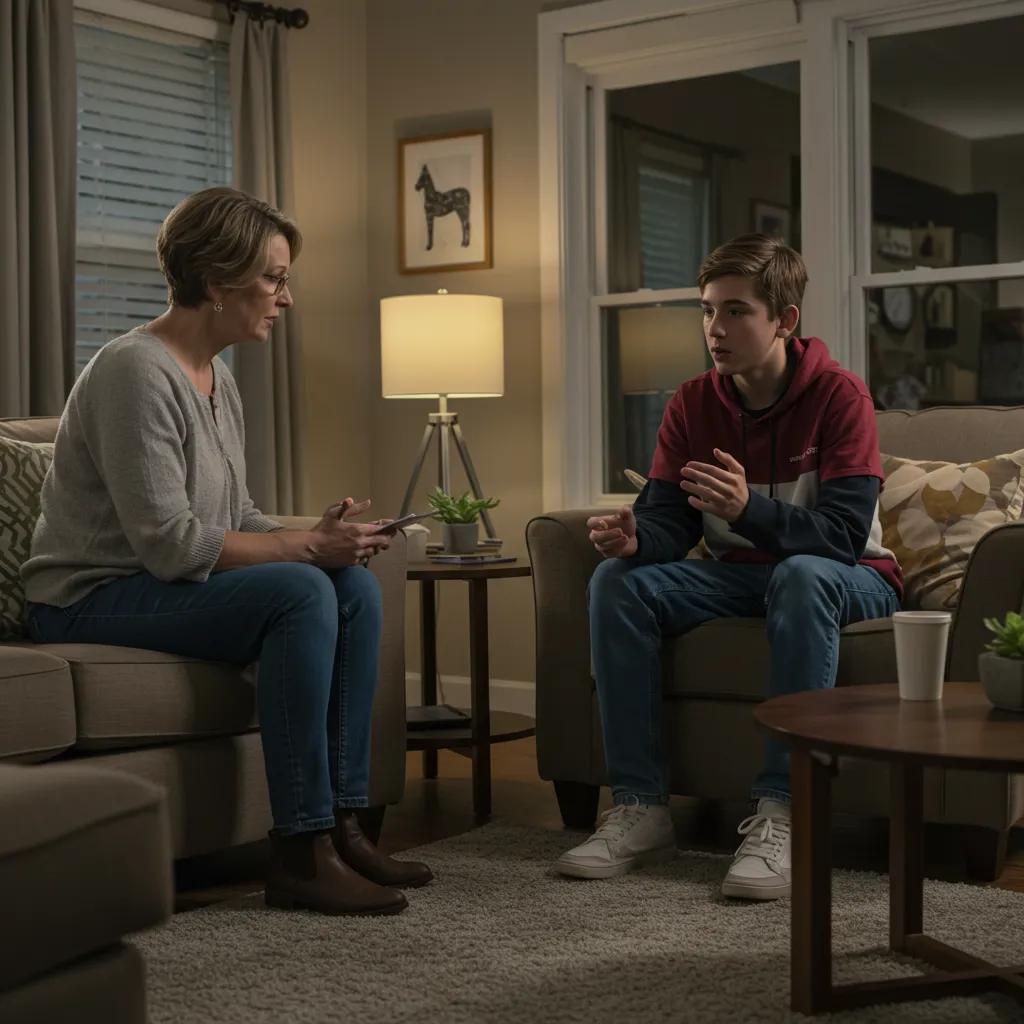
Stop blowups fast. A 10‑minute parent‑teen conflict de‑escalation script with tone tips, timeouts, and repair steps for later talks.
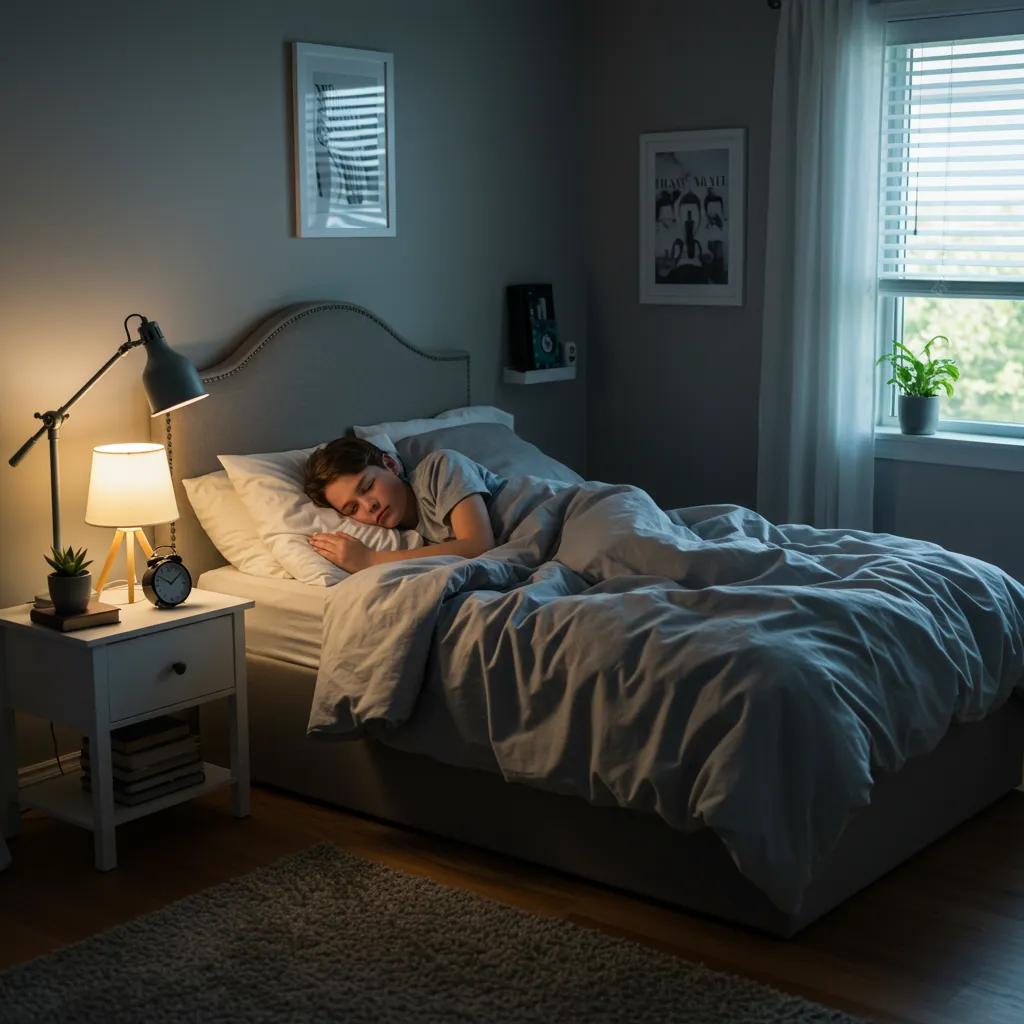
Teen ADHD sleep support that works. Set an easy evening routine, reduce blue light, and use a weekend reset to

See common Orange County teen stress triggers by city and commute. Plan easier routes, after‑school calm spots, and smarter schedules.

After a teen friendship breakup, name the grief, set clear boundaries, and try a safe repair message. Simple steps to
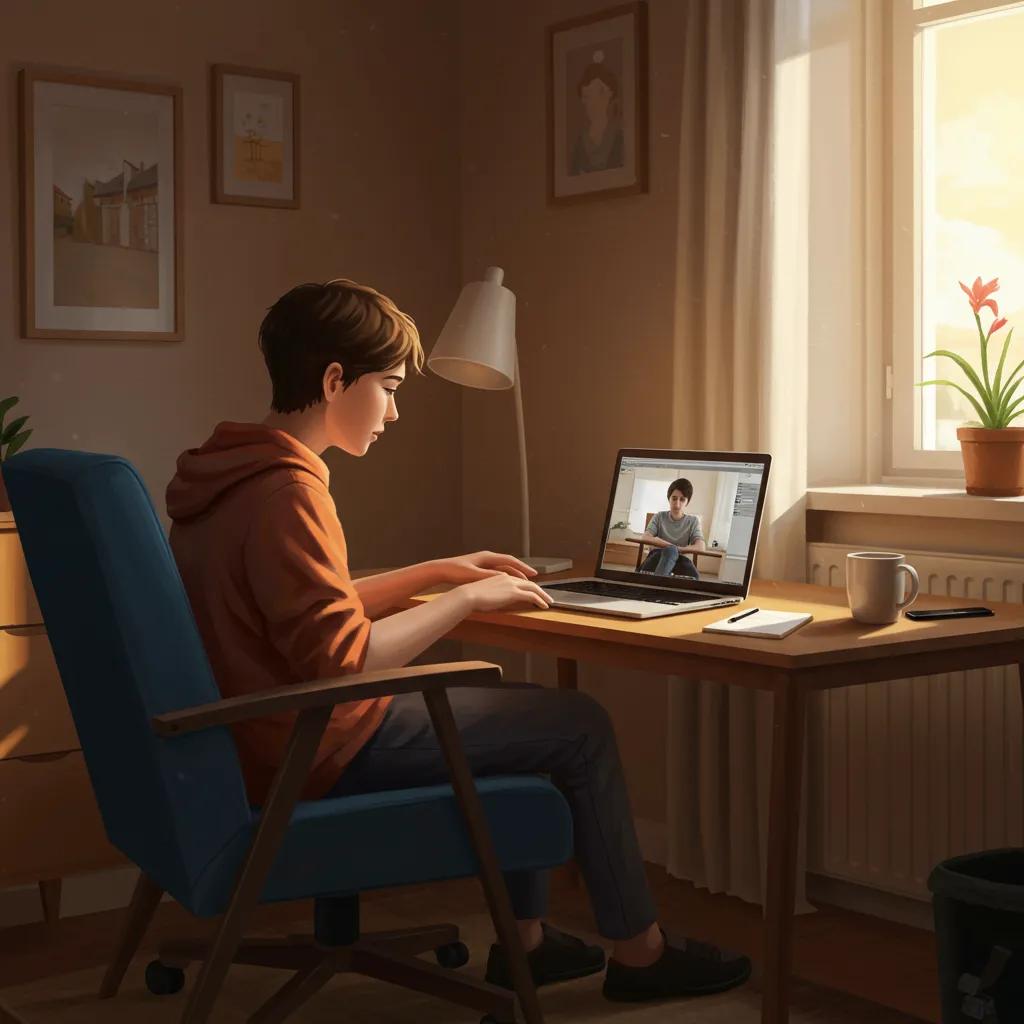
Virtual vs In-Person Teen IOPs: A Clear Guide to Choosing the Best Intensive Outpatient Program for Adolescents Choosing between a

How to Build Trust in Online Therapy for Teens: Effective Strategies for Virtual Mental Health Building trust in online therapy

How to Balance School and Virtual IOP: A Guide for Teens Managing Online Therapy and Academic Success Finding the right

When Should A Teenager See A Therapist? Signs, Benefits, and How to Find Help Recognizing when a teenager should see

Signs Of An Entitled Teenager: How to Recognize and Address Entitled Teen Characteristics Many parents notice entitlement in adolescence but
Compassionate support, expert guidance, and tailored programs for adolescent mental health.
Connect with Adolescent Mental Health today. Let us guide your teenager towards resilience and well-being.
Anxiety disorders are among the most common mental health issues affecting adolescents today. These disorders can manifest in various forms, including generalized anxiety disorder, social anxiety, and panic disorder, significantly impacting a teen's daily life and overall well-being.
Research indicates that nearly one in three adolescents will experience an anxiety disorder at some point during their teenage years. Effective treatment options, such as cognitive-behavioral therapy and medication, can help manage symptoms and improve quality of life for affected teens.
Social media has become an integral part of adolescents' lives, influencing their mental health in both positive and negative ways. While it can foster connections and provide support, excessive use can lead to issues such as anxiety, depression, and low self-esteem.
Studies show that teens who spend more than three hours a day on social media platforms are at a higher risk for mental health problems. It is essential for parents and guardians to monitor usage and encourage healthy online habits to mitigate these risks.
Resilience is the ability to bounce back from adversity, and it is a crucial skill for adolescents facing the challenges of growing up. Developing resilience can help teens navigate stressors and setbacks, ultimately leading to better mental health outcomes.
Programs that focus on teaching coping strategies, emotional regulation, and problem-solving skills can significantly enhance a teen's resilience. Engaging in supportive relationships and community activities also plays a vital role in fostering this important trait.
Substance abuse is a serious concern among adolescents, and recognizing the signs early can lead to timely intervention and support. Common indicators include changes in behavior, declining academic performance, and withdrawal from family and friends.
It's crucial for parents and guardians to stay informed about the risks of substance abuse and to maintain open lines of communication with their teens. Early detection and access to appropriate resources can help mitigate the long-term effects of substance use on mental health.