
Key Takeaways
Around 1 in 3 U.S. adolescents will experience an anxiety disorder before age 18, making anxiety one of the most common mental health challenges facing young people today.
Teen anxiety often looks different from classic worry—showing up as irritability, school refusal, social withdrawal, perfectionism, or physical complaints like headaches and stomachaches.
Multiple forces drive anxiety in teenagers today: academic pressure, social media, world events, family stress, and genetics all play interconnected roles.
Anxiety disorders are highly treatable, with cognitive behavioral therapy cbt showing 60-80% effectiveness rates when teens receive early support.
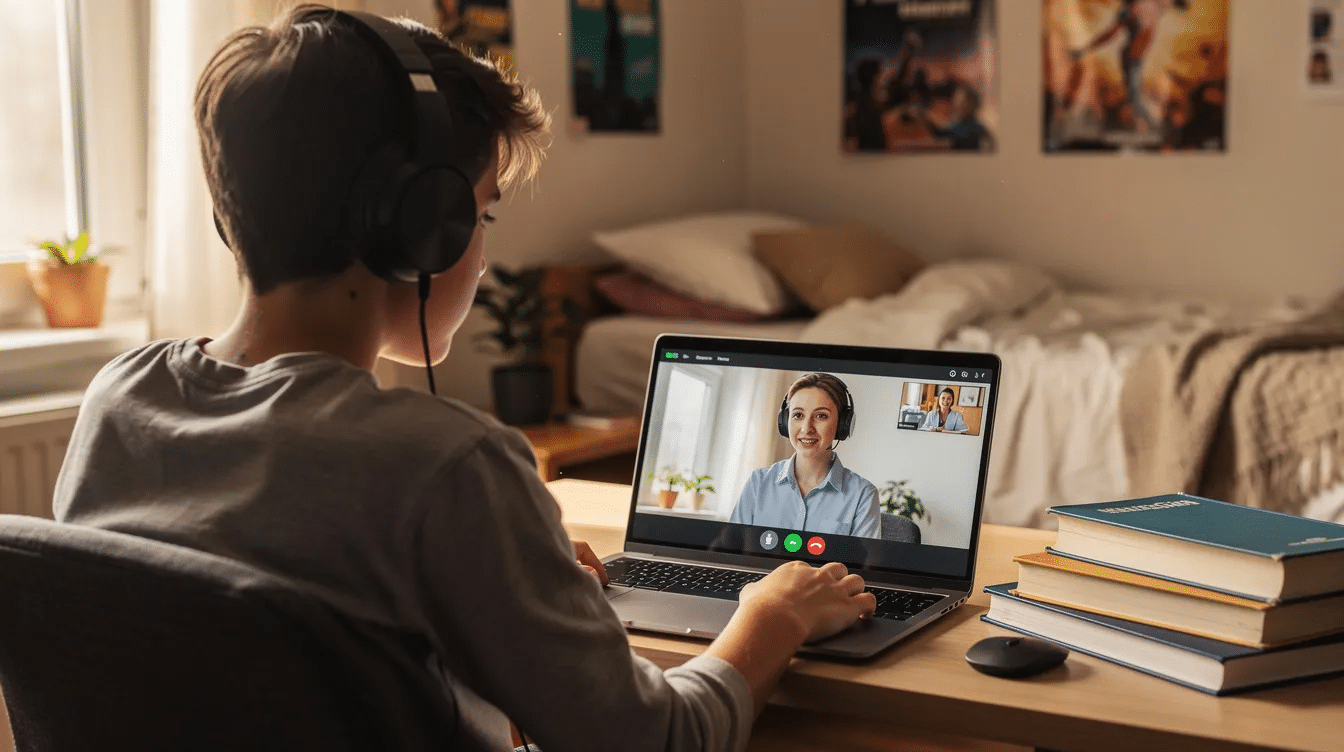
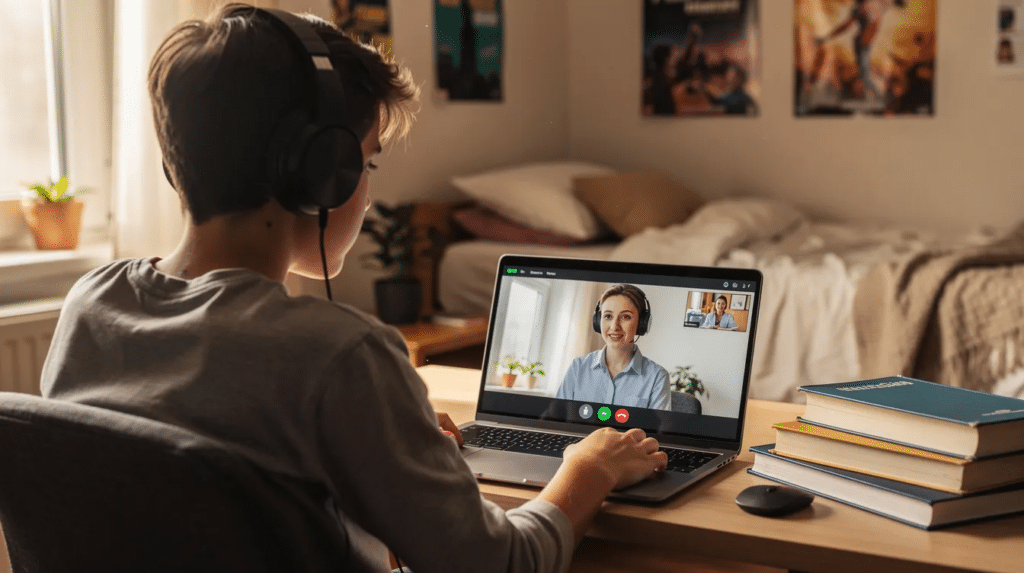
Virtual treatment options like adolescentmentalhealth.com meet teens where they are, offering flexible scheduling and private, secure sessions from home.
Teen anxiety represents one of the most significant mental health problems affecting adolescents today. According to the National Institute of Mental Health, approximately 31.9% of U.S. teenagers aged 13-18 will experience an anxiety disorder—that’s roughly 1 in 3 before age 18. The good news? Anxiety is highly treatable, and early detection combined with support from parents, schools, and virtual programs can dramatically change long-term outcomes.
What Is Teen Anxiety in 2026?
Anxiety is a normal part of being human. It’s our brain’s alarm system, designed to protect us from danger. The problem starts when that alarm keeps ringing—loud, frequent, and even when there’s no real threat.
For many teens, anxiety becomes more than pre-test jitters or first-date nerves. When anxiety symptoms persist for weeks, worsen over time, or lead to avoidance behaviors, it crosses into clinical territory. Anxiety disorders now rank among the most common mental health issues for ages 12-17, with rates rising steadily since 2010 and accelerating through the COVID-19 pandemic. According to recent data, anxiety affects roughly 16.1% of U.S. teens (ages 12–17) as of 2026.
The main types of anxiety disorders seen in teens include:
Disorder | Key Features |
|---|---|
Generalized Anxiety Disorder (GAD) | Excessive worry across multiple areas of daily life |
Social Anxiety Disorder | Intense social anxiety around being judged or embarrassed |
Panic Disorder | Sudden panic attacks with physical symptoms like rapid heartbeat |
OCD | Intrusive thoughts paired with compulsive behaviors |
PTSD | Trauma-triggered flashbacks and hypervigilance |
Specific Phobias | Extreme fear of particular triggers |
Teenagers anxious about academic performance, peer perception, and physical changes may show symptoms differently than adults, such as increased irritability, withdrawal, or changes in sleep and appetite.
At adolescentmentalhealth.com, we specialize in virtual treatment for teens ages 12-18, offering online therapy that meets adolescents where they are: at home, after school, on secure platforms they’re comfortable using.
How Teen Anxiety Differs From Anxiety in Children
Anxiety symptoms differ significantly between younger children and teenagers. Where kids might fear monsters under the bed or cling during separations, teen anxiety turns inward—focused on identity, social image, and future uncertainties.
Child development during adolescence brings unique vulnerabilities:
Heightened self-awareness: Teens become acutely aware of how peers perceive them, fueling worries about body image, popularity, and academic performance
Internalized expression: Rather than crying or clinging, anxious teenagers often mask their struggles with sarcasm, irritability, or withdrawal
Hormonal shifts: Puberty’s changes—combined with an still-developing prefrontal cortex—increase sensitivity to stress and peer opinion
Evolving fears: Childhood separation anxiety can transform into social anxiety or generalized worry during middle and high school transitions
Because teens crave independence, they may insist “I’m fine” even when struggling. Parents need to pay attention by actively listening and engaging with their teens, focusing on behavioral shifts rather than waiting for teens to ask directly for help. Paying attention in this way is a key component of supportive parenting and emotional validation.

What Are Teens Most Anxious About Today?
Current research reveals consistent themes driving anxiety in teenagers:
Academic and Extracurricular Pressure Overloaded schedules, AP/IB courses, SAT/ACT stress, and college admissions anxiety dominate—especially for high school juniors and seniors. Studies show 70% of high schoolers report significant academic stress.
Social Media and Digital Life Fear of missing out (FOMO), cyberbullying (affecting 37% of teens per CDC data), and comparison to filtered images on Instagram and TikTok fuel everyday things becoming sources of dread. Three or more hours of daily screen time doubles anxiety risk according to recent meta-analyses.
World Events Climate anxiety grips 45% of Gen Z. School shooting fears persist. COVID-19’s aftermath left many teens with social skill deficits and lingering learning gaps that continue affecting their well being.
Body Image Concerns Puberty changes combined with exposure to edited photos create perfect conditions for body image struggles. Up to 30% of affected girls develop disordered eating patterns.
Identity-Related Anxieties LGBTQ+ teens face 50% higher anxiety rates. Concerns about sexual orientation, gender identity, and cultural belonging add layers of stress, particularly for teens from marginalized communities.
Some teens also carry trauma-related anxieties from bullying, accidents, or family events like divorce—which affects 40-50% of adolescents indirectly.
Common Symptoms of Anxiety in Teens
Symptoms of anxiety in teens show up across emotional, cognitive, physical, and behavioral domains. Look for patterns lasting at least two weeks.
Emotional and Cognitive Signs
Constant excessive worry and racing thoughts
Difficulty concentrating or making decisions
Catastrophizing (“What if I fail everything?”)
Perfectionism and low self esteem
Feeling anxious about seemingly minor situations
Physical Symptoms
Stomachaches and headaches without clear medical cause
Muscle tension, chest tightness, rapid heartbeat
Nausea, sweating, dizziness, shortness of breath
Frequent trips to the school nurse
Physical complaints that intensify before challenging situations
Behavioral Changes
Avoiding school, skipping classes, quitting activities
Procrastination despite good intentions
Compulsive reassurance-seeking or checking behaviors
Social withdrawal from friends and family
Dropping extracurriculars they once loved
Sleep and Energy Problems
Sleep problems: difficulty falling asleep, nightmares, insomnia
Trouble getting out of bed for school
Exhaustion despite adequate sleep hours
Some teens turn to unhealthy coping—vaping (25% prevalence in anxious teens), marijuana, alcohol, or misusing pills. These substances may briefly numb anxious feelings but worsen symptoms long-term.
Panic Attacks in Teens
Panic attacks are a particularly intense symptom of anxiety disorders that can affect many teenagers. Unlike everyday anxious feelings, panic attacks come on suddenly and are marked by overwhelming physical symptoms that can make teens feel as if something is seriously wrong with their body or mind. During a panic attack, a teenager might experience a racing heart, sweating, trembling, chest pain, shortness of breath, dizziness, or even a sense of choking. These physical symptoms often appear out of the blue, even in situations that don’t seem especially stressful.
Emotionally, panic attacks can trigger a wave of intense fear or a sense of impending doom, making it hard for teens to focus on anything else. Some teenagers describe feeling detached from reality or fearing they might lose control or “go crazy.” Because these symptoms are so powerful, it’s common for teens to worry about having another attack, which can lead to avoiding certain places or activities—impacting their daily life, academic performance, and social life.
It’s important for parents and caregivers to recognize that panic attacks, while frightening, are a well-known part of anxiety disorders and do not mean a teen is in physical danger. Early detection and support can help teenagers learn to manage anxiety and reduce the frequency and intensity of panic attacks. If your teen is experiencing these symptoms, seeking professional help can provide them with effective strategies to regain confidence and control in their daily life.
School Refusal, Social Withdrawal, and Substance Use
Anxiety frequently shows up first in school and social life, where expectations run high.
School Refusal Warning Signs
Repeated “sick days” with vague physical complaints
Panic on Sunday nights
Requests for early pickup
Refusing to leave the car or house on school mornings
Chronic absenteeism (affecting 10-20% of anxious teens)
School avoidance can stem from academic fears, social anxiety about lunchrooms or gym class, bullying, or fear of experiencing panic attacks in public.
Social Withdrawal Patterns
Turning down invitations consistently
Dropping out of group chats
Deleting social media suddenly
Spending most free time alone, isolated in their room
Avoiding social activities previously enjoyed
Substance Use as Self-Medication Anxious teens are 2-4x more likely to misuse substances. While marijuana might seem to help sleep or nicotine appears calming, these create dependence, impair adolescent neurodevelopment, and amplify rebound anxiety.
View school refusal, isolation, or substance use as warning signs to explore anxiety—not simply behaviors requiring punishment.
How Anxiety and Depression Interact in Teens
Anxiety and depression often travel together in adolescents, with 50-60% of anxious teenagers experiencing both conditions.
Chronic worry exhausts the nervous system, eventually leading to hopelessness and the same symptoms seen in depression: irritability, concentration issues, sleep and appetite changes, and loss of interest in everyday things.
Overlapping signs include:
Appearing “lazy” or unmotivated when actually overwhelmed
Anhedonia (inability to enjoy activities)
Social isolation feeding loneliness—a strong depression predictor
Physical health complaints without clear cause
Intense social anxiety leads to isolation, which increases risk for major depressive episodes and suicidal thoughts. Treating only depression without addressing underlying anxiety typically produces partial improvement.
Take any talk of hopelessness, self-harm, or suicide seriously. Contact emergency services or call/text 988 if safety is a concern.

Why Are Teen Anxiety Rates Rising?
Rising rates—from roughly 8% in the early 2000s to 32% now—stem from interconnected biological, psychological, and environmental factors.
Genetic and Family Influences
30-50% heritability for anxiety disorders
Parental anxiety modeling affects coping patterns
Family stressors: conflict, divorce, illness, financial strain
Developmental Factors
Rapidly changing bodies and brains during teenage years
Prefrontal-amygdala imbalance peaks mid-adolescence
Identity exploration amid shifting responsibilities
Academic Culture
Competitive college admissions creating perfectionism in 70% of high-achievers
Year-round training in sports and performing arts
Constant comparison of academic performance
Technology Impact
Social media feeds promoting filtered perfectionism
Cyberbullying and pressure to respond immediately
Disrupted sleep from late-night scrolling
Recent World Events
COVID-19 pandemic’s lingering effects on social skills
School shooting coverage creating safety fears
Climate anxiety affecting 59% of Gen Z
Girls and gender-diverse teens report approximately 2x higher rates than boys, often due to rumination styles and additional discrimination stressors.
How Parents and Caregivers Can Help an Anxious Teen
Parents don’t need to be therapists. Small, consistent changes in how you respond can significantly ease your teen’s anxiety.
Start Conversations Carefully Use specific observations: “I’ve noticed you’ve been getting a lot of headaches before school. Can we talk about what’s going on?” Listen more than lecture.
Validate Feelings Say “It makes sense you’re stressed about exams” rather than “It’s not a big deal; just relax.” This builds trust while still gently challenging unhelpful thoughts.
Model Healthy Coping Show your kids feel their emotions too—demonstrate deep breathing, taking breaks, going for walks. Avoid catastrophizing or constantly checking upsetting news.
Provide Practical Support
Maintain consistent routines
Help break big tasks into small steps
Problem-solve specific triggers together
Set reasonable expectations
Avoid Reinforcing Avoidance Letting a teen stay home every time they’re anxious reinforces escape behavior. Be compassionate but gradual about returning to difficult situations.
At adolescentmentalhealth.com, parents are invited into treatment through parent sessions and secure messaging, ensuring home strategies align with therapy approaches.
Everyday Coping Skills Teens Can Learn
While coping skills don’t cure anxiety, they give young people tools to manage anxiety and ride out waves of worry.
Breathing and Grounding Techniques
4-7-8 breathing: inhale 4 seconds, hold 7, exhale 8 (activates vagus nerve)
5-4-3-2-1 grounding: identify 5 things you see, 4 you hear, 3 you touch, 2 you smell, 1 you taste
Short body scans to release muscle tension
Lifestyle Foundations
8-10 hours of sleep for physical health and emotional regulation
Regular physical activity (60 minutes daily—walking, sports, dance)
Healthy diet with limited caffeine and energy drinks
Exercising regularly reduces cortisol and increases resilience-building BDNF
Digital Hygiene
Set phone curfews and charge devices outside the bedroom
Take social media breaks
Unfollow accounts that fuel comparison or distress
Cognitive Strategies
Identify “what if” thoughts
Check evidence for and against fears
Create balanced replacement thoughts
Healthy Outlets Journaling, art, music, time in nature, and connecting with supportive friends all serve as relaxation techniques that help build resilience.
Virtual therapists at adolescentmentalhealth.com coach teens through these skills in real time using interactive tools and guided exercises.

Treatment Options for Teen Anxiety (Including Virtual Care)
Treating anxiety disorders is highly effective—60-80% of teens improve significantly with appropriate care.
Cognitive Behavioral Therapy (CBT) CBT helps teens notice links between thoughts, feelings, and behaviors. Through cognitive restructuring and gradual exposure to feared situations, teens learn to challenge unhelpful thinking patterns. The Child Mind Institute and American Psychiatric Association both recognize CBT as first-line treatment.
Other Evidence-Based Approaches
Acceptance and Commitment Therapy (ACT)
Dialectical behavior therapy (DBT) skills training
Trauma-focused therapy when PTSD is present
Medication Options Pediatricians or psychiatrists may recommend SSRIs (like sertraline, FDA-approved for ages 6+) for moderate to severe cases. Medication combined with behavior therapy produces best outcomes, with careful monitoring for side effects.
Virtual Therapy Advantages
Greater privacy for self-conscious adolescents
No commute or waiting room anxiety
Easier scheduling around school
Comfort of familiar home environment
Access for rural or underserved areas (20% underserved)
When to Seek Professional Help for Your Teen
Seek professional help if anxiety symptoms:
Last longer than four weeks
Steadily worsen despite support
Significantly interfere with school, friendships, sleep, or family life
Red Flags Requiring Evaluation
Frequent school refusal
Dramatic grade drops despite capability
Loss of interest in previously enjoyed activities
Persistent physical complaints without medical cause
Noticeable social withdrawal and isolation
Urgent Signs Requiring Immediate Help
Talk of self-harm or suicidal thoughts
Severe, unmanageable panic attacks
Daily substance use to cope
Any behavior raising safety concerns
Where to Start
Talk with pediatrician or family doctor
Contact school counselor
Schedule assessment with a teen mental health provider like adolescentmentalhealth.com
A first evaluation typically covers mood, sleep, school, friends, family, substance use, and medical history. Seeking help isn’t weakness—it’s proactive, like seeing a doctor for asthma or a sports injury.
How Adolescent Mental Health Supports Teens With Anxiety
At adolescentmentalhealth.com, we focus exclusively on teens and their unique needs. Our clinicians specialize in helping adolescents navigate anxiety, depression, and related challenges.
How Virtual Care Works
Secure video sessions with HIPAA-compliant platforms
Phone check-ins when appropriate
Digital tools (worksheets, skills trackers) accessible between sessions
Services Offered
Individual therapy tailored to teen concerns
Family sessions for additional support and communication improvement
Skills-based approaches targeting anxiety management and emotion regulation
Personalized Treatment Plans Some teens benefit from short-term focused CBT (8-16 sessions), while others need longer-term therapy with regular progress reviews. We meet each teen where they are.
Accessibility Benefits
No travel time
Flexible after-school and evening appointments
Support for teens in rural areas
Easy involvement for separated or divorced parents in different locations
Visit adolescentmentalhealth.com to learn more, verify insurance, and schedule an initial virtual consultation for your teen.
FAQ: Teen Anxiety
How do I tell the difference between normal teen stress and an anxiety disorder?
Normal stress connects to specific events—a big test, a first date, sports tryouts—and fades after the situation passes. Anxiety disorders involve persistent, excessive worry most days for weeks or months, regardless of circumstances. Key signs of anxiety crossing into disorder territory include avoidance behaviors, noticeable sleep or appetite changes, physical complaints, and significant impact on grades, friendships, or daily functioning. Trust your instincts: if you keep wondering “Is this more than stress?”, scheduling an evaluation makes sense.
Can my teen’s anxiety go away on its own without treatment?
Mild anxiety sometimes improves when stressors change or during life transitions. However, moderate to severe anxiety often persists or returns in new forms if left untreated—research shows 60% of untreated cases become chronic. Early intervention through skills training, therapy, and family changes reduces the risk of anxiety developing into depression or substance use. Don’t “wait it out” for months if anxiety already disrupts school or social life; earlier support is typically more effective.
Will talking about anxiety make my teen more anxious?
Research consistently shows the opposite. Sensitive, non-judgmental conversations usually reduce anxiety by helping adolescents feel understood and less alone. Ask open questions, avoid interrogation, and respect your teen’s pace while keeping the door open for future talks. Therapists at adolescentmentalhealth.com can coach parents on how to answer questions and have these conversations effectively.
How long does treatment for teen anxiety usually take?
Timelines vary based on severity and complexity. Some teens feel noticeable relief in 4-8 CBT sessions, while anxiety complicated by depression, trauma, or substance use may require several months or longer. Standard structured CBT programs last about 12-20 sessions with regular check-ins to review progress. The skills learned—challenging anxious thoughts, practicing exposures—continue helping adolescents long after formal treatment ends.
Can school be involved in supporting my anxious teen?
Schools often provide accommodations through 504 plans or IEPs, including extended test time, modified presentation requirements, or access to quiet spaces when overwhelmed. Communicate with school counselors, nurses, or administrators when anxiety affects attendance or academic performance. With your teen’s consent, share therapist recommendations to create coordinated support. Therapists at adolescentmentalhealth.com can collaborate with schools to develop realistic plans that help teens stay engaged and successful in class.