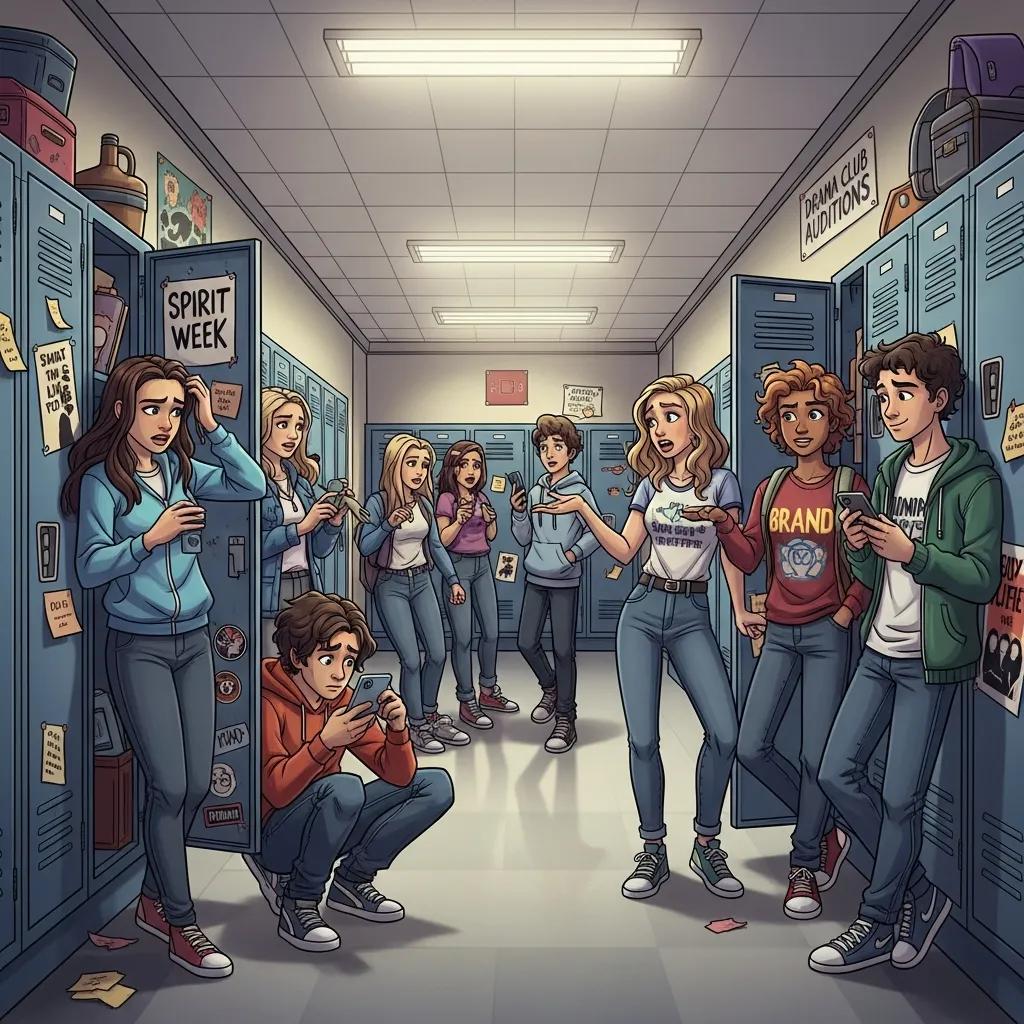
Sensory Overload at School: Quiet Tools That Work
Cut teen sensory overload at school with pocket tools, teacher notes, and quick exit plans. Practical supports to keep class

Cut teen sensory overload at school with pocket tools, teacher notes, and quick exit plans. Practical supports to keep class

See common Orange County teen stress triggers by city and commute. Plan easier routes, after‑school calm spots, and smarter schedules.

Teen ADHD sleep support that works. Set an easy evening routine, reduce blue light, and use a weekend reset to

Stop blowups fast. A 10‑minute parent‑teen conflict de‑escalation script with tone tips, timeouts, and repair steps for later talks.

After a teen friendship breakup, name the grief, set clear boundaries, and try a safe repair message. Simple steps to

Virtual vs In-Person Teen IOPs: A Clear Guide to Choosing the Best Intensive Outpatient Program for Adolescents Choosing between a

How to Build Trust in Online Therapy for Teens: Effective Strategies for Virtual Mental Health Building trust in online therapy

How to Balance School and Virtual IOP: A Guide for Teens Managing Online Therapy and Academic Success Finding the right

When Should A Teenager See A Therapist? Signs, Benefits, and How to Find Help Recognizing when a teenager should see

Signs Of An Entitled Teenager: How to Recognize and Address Entitled Teen Characteristics Many parents notice entitlement in adolescence but
Compassionate support, expert guidance, and tailored programs for adolescent mental health.
Connect with Adolescent Mental Health today. Let us guide your teenager towards resilience and well-being.
Anxiety disorders are among the most common mental health issues faced by adolescents today. These disorders can manifest in various forms, including generalized anxiety disorder, social anxiety, and panic disorder, each affecting teens differently and impacting their daily lives.
Recognizing the signs of anxiety is crucial for early intervention. Symptoms may include excessive worrying, avoidance of social situations, and physical manifestations such as headaches or stomachaches. Providing support through therapy and coping strategies can significantly improve outcomes for teens struggling with anxiety.
Depression in teenagers often goes unnoticed, as symptoms can be mistaken for typical adolescent behavior. It is essential to understand that depression is a serious condition that can lead to significant impairment in social, academic, and personal functioning.
Common signs of depression include persistent sadness, loss of interest in activities, and changes in sleep or appetite. Early recognition and treatment, including therapy and medication, can help adolescents manage their symptoms and improve their quality of life.
Resilience refers to the ability to bounce back from adversity and cope with stress. For teenagers, developing resilience is vital as they navigate the challenges of adolescence, including peer pressure, academic expectations, and personal identity issues.
Encouraging teens to engage in problem-solving, maintain supportive relationships, and practice self-care can foster resilience. Programs and workshops focused on resilience building can equip adolescents with the tools they need to face life's challenges more effectively.
Social media plays a significant role in the lives of adolescents, influencing their self-esteem, body image, and mental health. While it can offer a platform for social connection, it also poses risks such as cyberbullying and unrealistic comparisons.
Understanding the impact of social media on mental health is crucial for parents and guardians. Encouraging healthy online habits, promoting digital literacy, and fostering open discussions about social media use can help mitigate its negative effects on teens.