Perfectionism in Teens: Breaking the All-or-Nothing Pattern
Support for teen perfectionism. Use clear goals, CBT reframes, and short practice steps to lower stress and build steady, healthy

Support for teen perfectionism. Use clear goals, CBT reframes, and short practice steps to lower stress and build steady, healthy

Help with teen morning anxiety before school. Follow a 10‑minute plan with breathing, light movement, and a parent script to

Find same‑day teen mental health options in Orange County. Learn where to call, what to bring, and what to expect

When emotions surge, teach DBT TIP skills teens can use now. Simple, safe steps to cool the body and clear

Teen athlete mental health matters. Spot pressure signs, add pre‑game calm skills, and use post‑game recovery to protect mood and

Teen BFRB treatment basics. Learn triggers, habit reversal training, and sensory substitutions that reduce skin picking and hair pulling.

Understand why caffeine can trigger teen panic attacks. Use a gentle taper plan and a rescue breathing routine to reduce

Cut teen sensory overload at school with pocket tools, teacher notes, and quick exit plans. Practical supports to keep class

See common Orange County teen stress triggers by city and commute. Plan easier routes, after‑school calm spots, and smarter schedules.

Teen ADHD sleep support that works. Set an easy evening routine, reduce blue light, and use a weekend reset to
Compassionate support, expert guidance, and tailored programs for adolescent mental health.
Connect with Adolescent Mental Health today. Let us guide your teenager towards resilience and well-being.
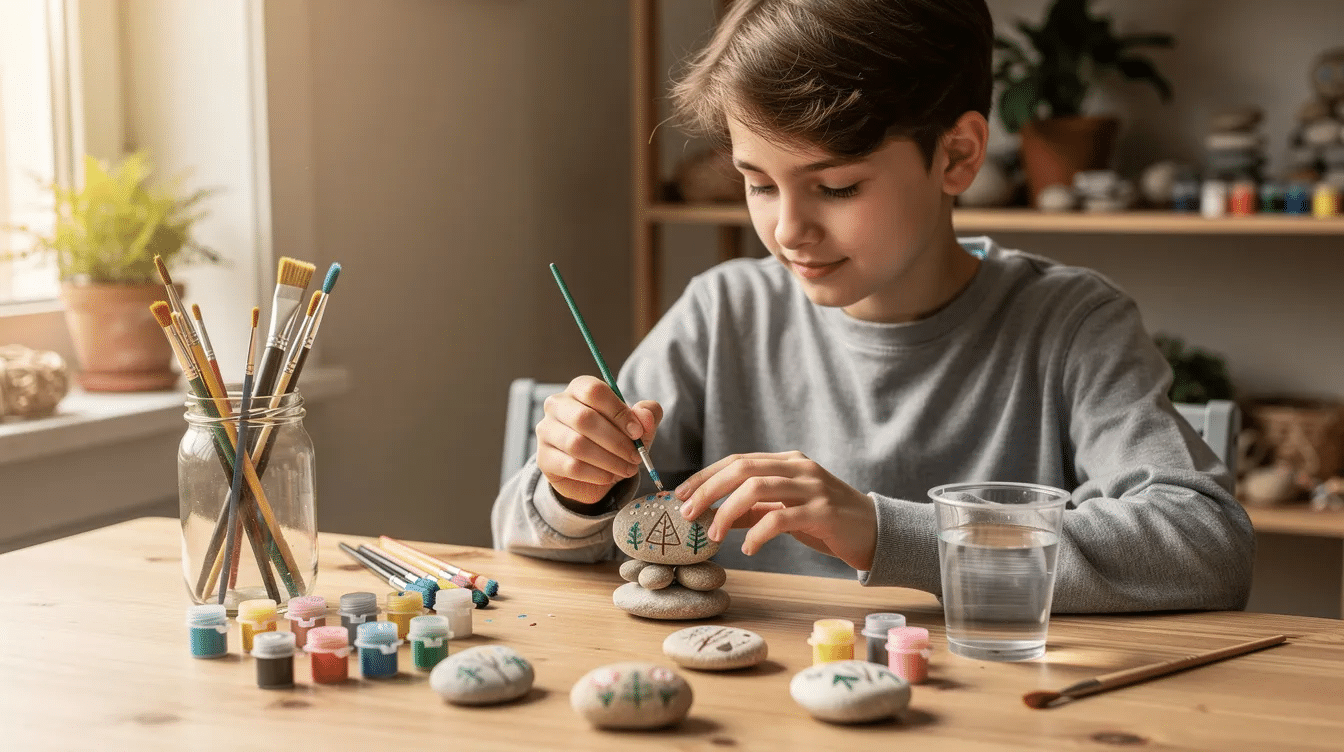
Developing effective coping strategies is essential for teenagers dealing with mental health issues. These strategies can help them manage stress, anxiety, and depression, allowing them to navigate their daily lives more effectively. Techniques such as mindfulness, journaling, and physical activity can empower teens to take control of their mental well-being.
For instance, mindfulness practices like meditation can significantly reduce anxiety and improve emotional regulation. Engaging in regular physical activities, such as sports or yoga, not only boosts mood through the release of endorphins but also fosters a sense of achievement and community. Encouraging teens to explore various coping mechanisms can lead to healthier emotional responses and resilience.
Parents play a crucial role in supporting their children's mental health during adolescence. By fostering open communication and providing a safe space for expression, parents can help their teens feel understood and valued. This support is vital as teenagers often face unique pressures that can impact their mental health.
Additionally, parents can educate themselves about mental health issues, enabling them to recognize signs of distress and seek appropriate help when necessary. Involving teens in discussions about mental health can also empower them to take an active role in their own well-being, leading to stronger family bonds and a supportive home environment.
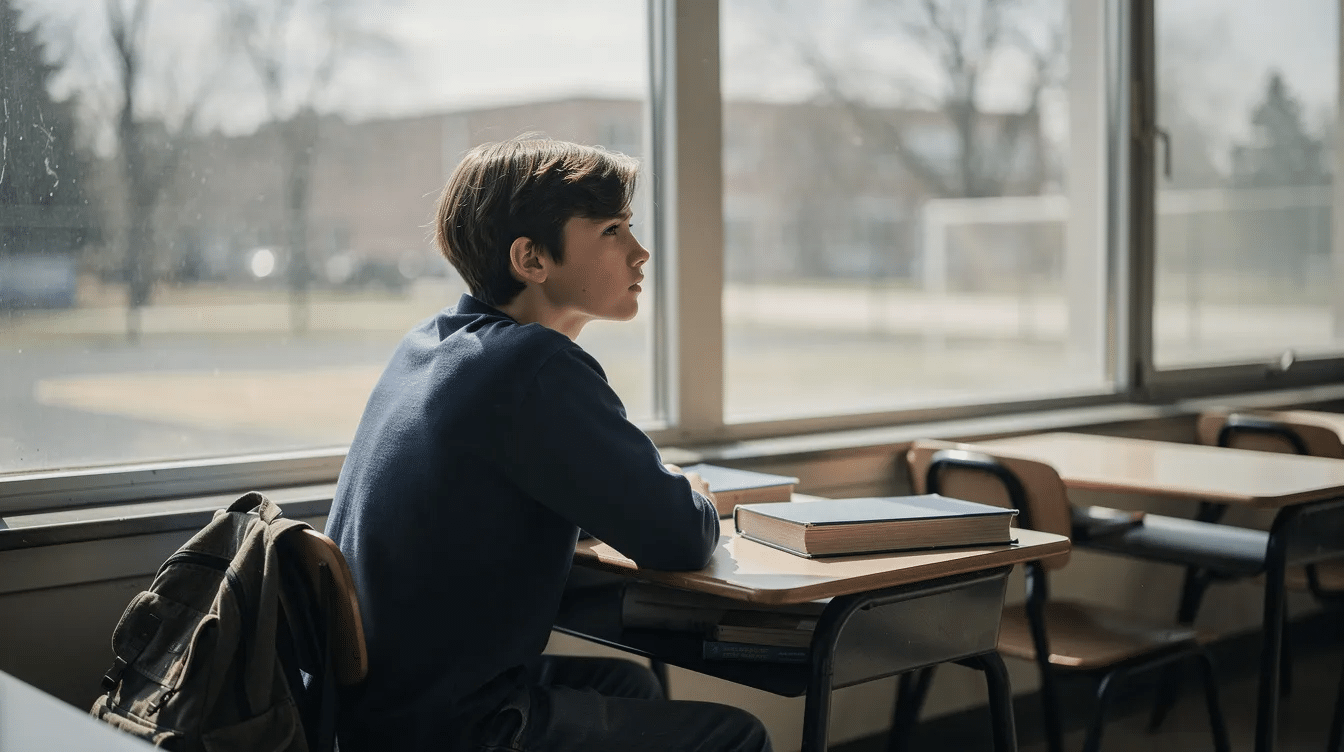
Anxiety disorders are among the most common mental health issues affecting adolescents today. These disorders can manifest in various forms, including generalized anxiety disorder, social anxiety, and panic disorder, each presenting unique challenges for teens. Recognizing the signs early can lead to timely intervention and support.
For example, a teen with social anxiety may avoid school or social gatherings due to overwhelming fear of judgment. Providing a supportive environment and encouraging professional help, such as therapy or counseling, can significantly improve their quality of life. Awareness and education about anxiety disorders can help both teens and parents navigate these challenges more effectively.
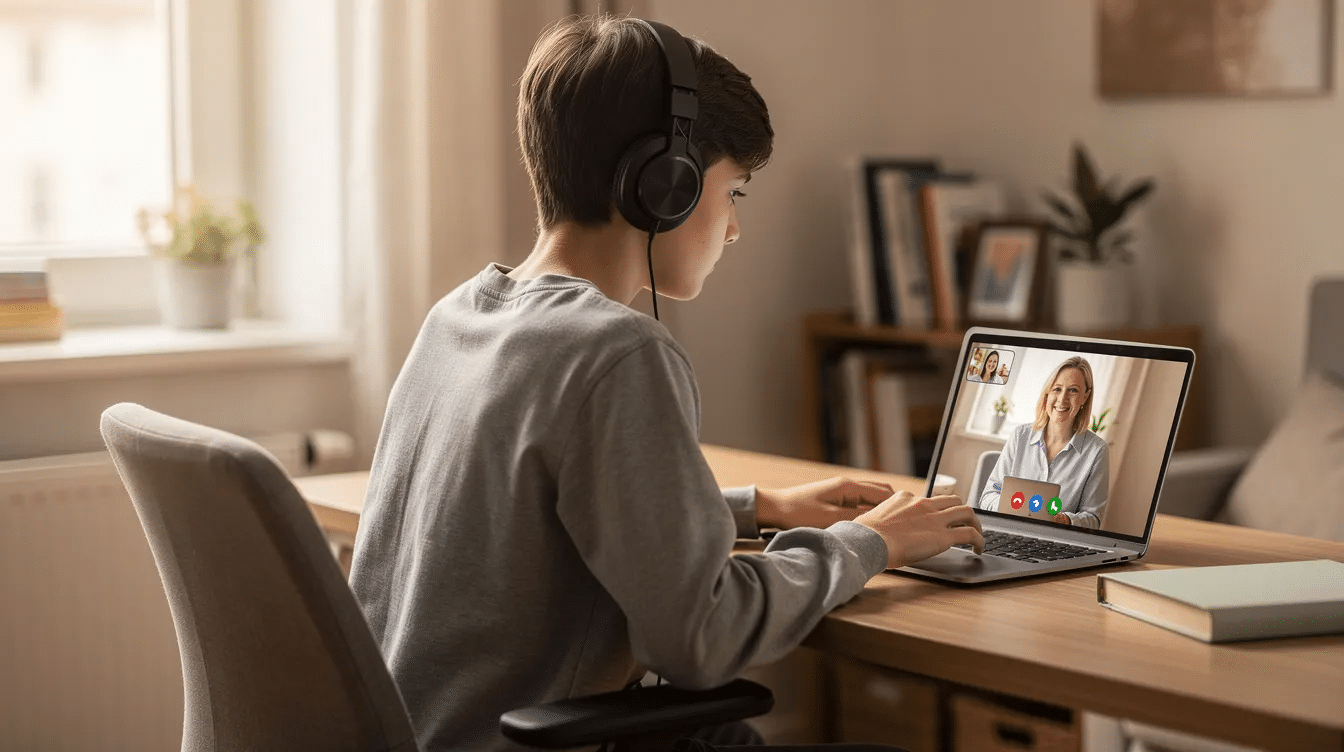
Access to mental health resources is vital for teenagers seeking help. Various organizations and online platforms offer support, information, and counseling services tailored specifically for adolescents. These resources can empower teens to take charge of their mental health and find the help they need.
For instance, many schools provide access to counselors who specialize in adolescent mental health, while online platforms like helplines and chat services offer immediate support. Additionally, community programs and workshops can provide valuable information and coping strategies. Ensuring that teens know where to find these resources is essential for fostering a culture of mental health awareness and support.