
Anxiety Activities for Teens: Effective Ways to Manage and Reduce Teen Anxiety
One in three adolescents experiences persistent worry, making targeted anxiety activities vital for emotional balance. This guide explores evidence-based relaxation techniques, creative outlets, communication strategies, lifestyle habits, and resilience-building methods—all designed to improve coping skills and reduce stress. You will learn breathing and mindfulness exercises, recognize when professional help is needed, discover parent and educator support tactics, and integrate lasting habits for long-term well-being. Alongside these practices, virtual mental health programs offer accessible, specialized care for teens seeking guided support.
What Are the Most Helpful Anxiety Activities for Teens?
Adolescents benefit from targeted anxiety activities that combine relaxation, self-expression, and movement to lower cortisol levels and enhance emotional regulation.
Which Breathing Exercises Calm Teen Anxiety Quickly?
Deep breathing exercises activate the parasympathetic response to calm the nervous system and reduce panic symptoms.
- Box Breathing: Inhale for four counts, hold for four, exhale for four, pause for four.
- 4-7-8 Method: Breathe in for four seconds, hold for seven, exhale slowly for eight.
- Diaphragmatic Breathing: Place one hand on the chest and one on the abdomen, then focus on expanding the belly on each inhale.
These techniques provide immediate relief by slowing heart rate and quieting racing thoughts, paving the way for sustained focus.
Breathing Exercises for Anxiety Relief
Deep breathing exercises, such as box breathing and the 4-7-8 method, can quickly calm the nervous system and reduce panic symptoms. These techniques help to slow the heart rate and quiet racing thoughts, providing immediate relief for those experiencing anxiety.
This research supports the article’s claims about the effectiveness of specific breathing techniques in managing anxiety.
How Can Mindfulness and Meditation Help Teens with Anxiety?
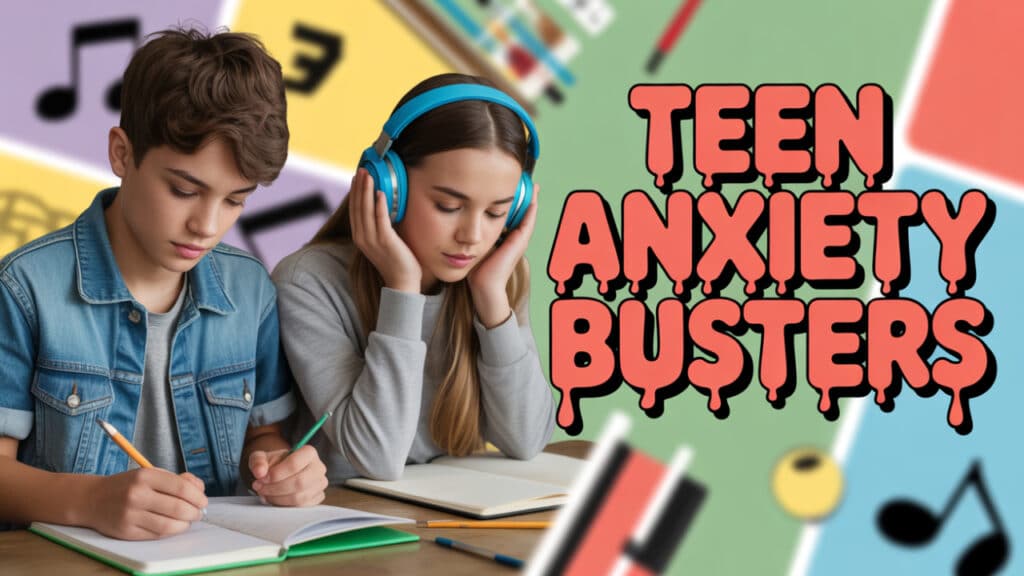
Mindfulness meditation trains attention on the present moment, fostering awareness of thoughts and sensations to interrupt worry cycles.
Practicing guided body-scan meditation engages cortical networks responsible for stress regulation, resulting in improved concentration and emotional clarity.
Mindfulness and Meditation for Stress Reduction
Mindfulness meditation trains attention on the present moment, fostering awareness of thoughts and sensations to interrupt worry cycles. Practicing guided body-scan meditation engages cortical networks responsible for stress regulation, resulting in improved concentration and emotional clarity.
This study provides evidence for the benefits of mindfulness meditation in reducing stress and improving emotional well-being, which aligns with the article’s discussion of mindfulness practices.
What Creative Outlets Support Emotional Expression in Anxious Teens?
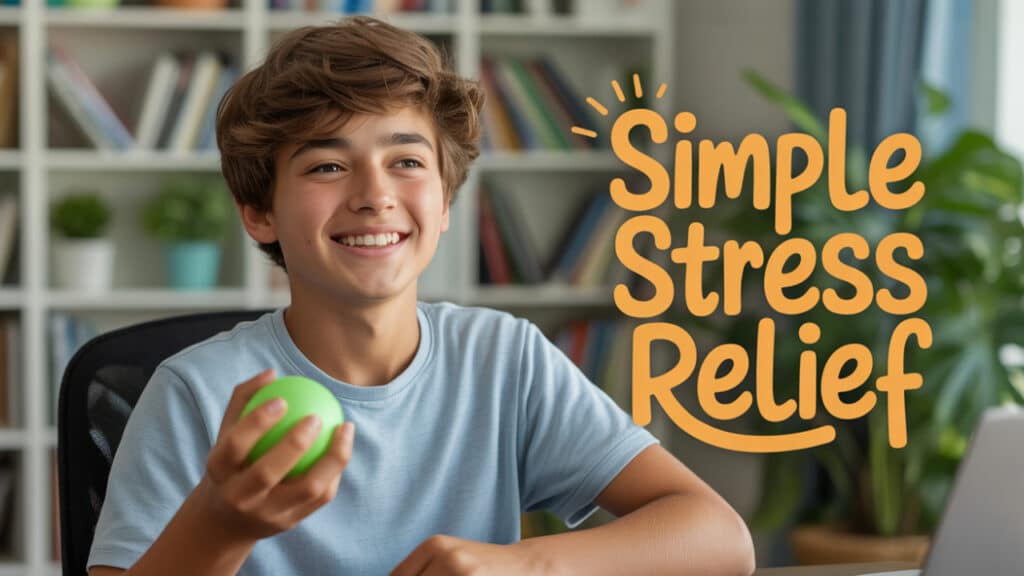
Creative activities channel emotional energy into constructive expression and build resilience through self-reflection.
The following table maps common outlets to their expressive benefits and underlying mechanisms.
| Activity | Expressive Benefit | Mechanism |
|---|---|---|
| Journaling | Clarifies thoughts | Externalizes worries to examine and reframe |
| Art Therapy | Releases tension | Engages right-brain processing to reduce stress |
| Music Creation | Regulates mood | Activates reward circuits and fosters flow |
Channeling emotions through writing, drawing, or music solidifies self-awareness and supports emotional release, leading naturally to recognizing when additional care is needed.
When Should Teens Seek Professional Help for Anxiety?
Recognizing when self-help strategies fall short is essential for timely intervention and may involve virtual therapy for comprehensive support.
What Are the Common Signs That Teen Anxiety Needs Treatment?
Persistent worry, avoidance of social situations, sleep disturbances, and declining academic performance indicate that anxiety is interfering with daily life.
Observable patterns such as frequent panic attacks or intense fear of routine activities signal that structured therapeutic support can restore balance and resilience.
How Do Virtual Mental Health Programs Support Anxious Teens?
Virtual mental health programs deliver individual, group, and family therapy through secure video sessions, integrating CBT and DBT skills to improve coping strategies and emotional regulation.
These programs enhance accessibility by eliminating geographical barriers, offering flexible scheduling, and providing specialized adolescent care that strengthens practical skills and long-term resilience.
When professional guidance is in place, family and school teams can reinforce progress through supportive communication.
How Can Parents and Educators Support Teens with Anxiety?
Consistent support from adults creates a safe foundation for adolescents to practice coping activities and seek help when needed.
What Are Effective Communication Strategies for Supporting Anxious Teens?
Active listening, validating feelings, and asking open-ended questions encourage teens to share worries without fear of judgment or dismissal.
Using calm, reassuring language and setting collaborative goals helps teens feel empowered to apply anxiety activities and track improvements over time.
How Can Educators Recognize and Help Students with Anxiety?
Teachers can watch for signs such as frequent class absences, restlessness, or avoidance of participation, then introduce brief in-class breathing breaks or mindfulness prompts to restore focus.
Collaborating with school counselors to implement structured check-ins and adjustments—like extended test times—further supports anxious students in academic settings.
Linking classroom strategies to home practices builds a cohesive network of support that reinforces healthy routines.
What Lifestyle Changes Help Teens Manage Anxiety Long-Term?
Sustainable lifestyle adjustments underpin resilience by optimizing biological systems that regulate mood and stress responses.
How Do Sleep and Nutrition Affect Teen Anxiety?
Adequate sleep fosters memory consolidation and emotional processing, while balanced nutrition supplies neurotransmitter precursors critical for mood stability.
The following table outlines key habits for long-term anxiety management.
| Habit | Benefit | Recommendation |
|---|---|---|
| Sleep | Improves stress resilience | Aim for 8–10 hours nightly with consistent routine |
| Nutrition | Supports neurotransmitter balance | Include lean protein, complex carbs, and omega-3 fatty acids |
Establishing these habits nurtures physiological balance, naturally integrating with physical activity to enhance emotional regulation.
What Role Does Physical Activity Play in Reducing Anxiety?
Regular physical exercise releases endorphins and lowers cortisol, creating a positive feedback loop that elevates mood and promotes relaxation.
Activities such as brisk walking, cycling, or yoga improve cardiovascular health while reinforcing mind-body connection and setting the stage for deeper self-reflection.
Which Anxiety Activities Build Resilience and Emotional Regulation in Teens?
Resilience-building exercises develop coping frameworks that persist beyond immediate relief, strengthening adaptive responses to future stressors.
How Does Journaling Help Teens Process Anxiety and Stress?
Journaling structures unfiltered thoughts into coherent narratives, fostering insight into triggers, patterns, and alternative perspectives that support emotional growth.
This practice enhances metacognitive skills and reinforces self-compassion, creating a stable foundation for additional resilience activities.
What Are Practical Stress Management Techniques for Teens?
Practices such as time-blocking study sessions, progressive muscle relaxation, and building peer support networks provide actionable methods to interrupt stress cycles and reinforce social connection.
By integrating these techniques, teens cultivate a versatile toolkit for managing challenges and maintaining emotional balance.
Empowering teens with these structured activities and connecting them to professional resources establishes a comprehensive path toward sustained well-being and confidence.