

If your teenager can’t put down their phone, melts down when you ask them to log off, or seems to live inside a screen, you’re not alone. Screen dependency disorder is an increasingly common concern among families with adolescents, and many parents are unsure where the line falls between normal teen tech use and something more serious. This guide breaks down what screen dependency disorder actually looks like, why teens are so vulnerable, and what you can do-from simple changes at home to structured professional help.
Key Takeaways
-
Screen dependency disorder describes compulsive, hard-to-control screen use that can negatively affect teens’ mood, sleep, school performance, and relationships.
-
Excessive screen time and cell phone addiction can worsen anxiety, depression, ADHD symptoms, and family conflict in adolescents ages 12–17.
-
Screens and electronic devices are not inherently “bad,” but teens need reasonable limits and a balance with other activities, sleep, school, and in-person social interactions.
-
Parents can start with simple steps such as creating screen free times and zones, modeling healthy use, and slowly helping their teen find balance with non-screen activities.
-
When screen use is out of control or causing serious harm, professional help such as virtual intensive outpatient programs (IOP) with individual, group therapy, and family therapy-like those at Adolescent Mental Health-may be needed.
What Is Screen Dependency Disorder?
Screen Dependency Disorder is characterized by a compulsive need to use digital devices-smartphones, gaming consoles, tablets, computers-in a way that disrupts daily life and mental health. It’s an emerging term used by clinicians and researchers to describe patterns of compulsive overuse of digital media, including gaming, social media, streaming, and general internet browsing.
While screen dependency disorder is not a formal DSM-5 diagnosis, it overlaps significantly with recognized conditions. The DSM-5 includes Internet Gaming Disorder in its “conditions for further study” section, and the World Health Organization formally recognized gaming disorder in the ICD-11. Screen dependency disorder extends these same behavioral addiction patterns-loss of control, preoccupation with screens, tolerance, and withdrawal symptoms-beyond gaming to all screen-based media.
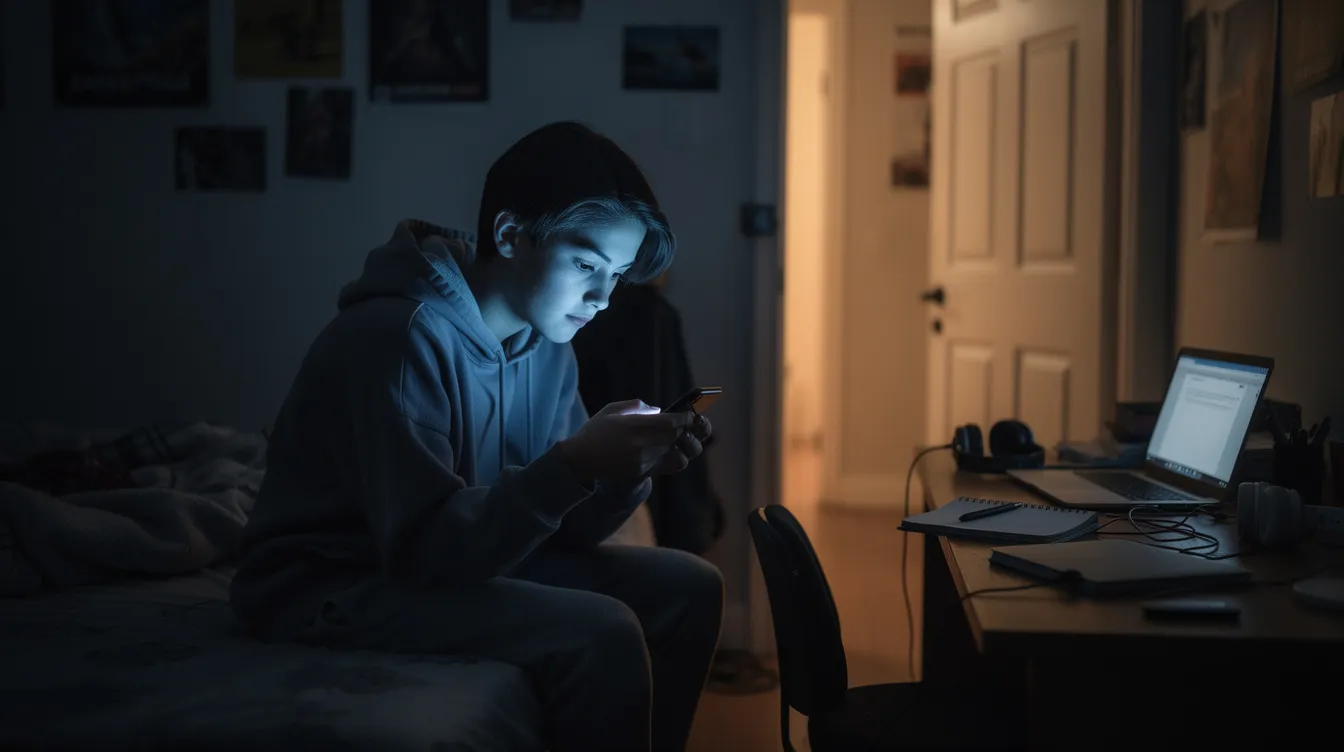
Preoccupation with screens is a key symptom: the person thinks about screen use constantly, even when doing other things. Failure to limit screen usage is another hallmark, along with using devices to regulate emotions like sadness, stress, or boredom, and continuing use despite clearly harmful negative consequences. Screen Dependency Disorder results in significant disruption to daily life and mental health across academic, social, and physical domains.
It’s important to distinguish between a student who spends hours on a laptop for school projects and a teen who cannot stop scrolling social media platforms at 2 a.m. despite failing classes. The difference lies in control, context, and impact. In our work at Adolescent Mental Health, we commonly see screen dependency occur alongside anxiety, depression, ADHD, and school avoidance in teens ages 12–17-rarely does it show up in isolation.
Why Teens Are So Vulnerable to Screen Addiction
Teen brain development, social pressures, and deliberate app design all converge to make adolescents especially vulnerable to screen addiction. Understanding why helps parents respond with empathy rather than just frustration.
The prefrontal cortex-the brain region responsible for impulse control, planning, and self-regulation-doesn’t fully mature until the mid-20s. This means teens are biologically less able to self regulate urges, especially when facing high-dopamine rewards. Every notification, every like, every level completed in a video game triggers a dopamine hit. Social media platforms and games are engineered around instant gratification: intermittent, unpredictable rewards that train the brain to crave “just one more” scroll, swipe, or round.
Then there’s the social layer. Fear of missing out (FOMO) drives compulsive checking of devices. Teens compare themselves constantly on social media, which can erode self esteem and increase anxiety. Group chats are always “on,” and leaving one unread can feel socially dangerous. These pressures make it feel impossible to step away.
Environmental factors in 2024–2026 have amplified the problem further. Pandemic-era remote learning normalized hours of daily screen time for school. Entertainment shifted online. Group messaging became the default way to spend time with friends. For many teens, screens now involve nearly every part of their social and academic world.
Teens with ADHD, anxiety, or learning differences face elevated risk. Screens offer predictable, low-effort stimulation-a sense of control and escape from the stress of in-person interaction. These adolescents may gravitate toward gaming or doom scrolling because it’s easier than navigating an overwhelming classroom or an awkward lunch table.
How Screen Dependency Can Negatively Impact Teen Health and Daily Life
Excessive, unbalanced screen use can negatively impact mental, physical, and social health-even if a teen is technically meeting minimum school requirements. The effects are cumulative, and they often feed on each other.
Mental health effects. Research consistently links excessive screen time to teen anxiety and depression. Teens with screen addiction often experience increased anxiety symptoms, chronic stress, and emotional distress. Data from the Adolescent Brain Cognitive Development (ABCD) Study found that higher total screen time predicted more internalizing symptoms like depression, attention problems, and somatic complaints over two years. Screen addiction can also lead to feelings of loneliness and isolation, even among teens who appear “connected” online. Chronic screen use can exacerbate existing mental health issues, creating a cycle where the person uses screens to cope, which then worsens the very symptoms they’re trying to escape.
Sleep disruption. Teens using screens excessively often experience sleep disturbances. Late-night scrolling or gaming suppresses melatonin production due to blue light exposure, delays sleep onset, and causes hyperarousal that makes it harder to wind down. The result is fatigue, difficulty concentrating during the day, and worsened mood symptoms. For teens with ADHD, this can be especially damaging-learn more about ADHD and sleep in teens.
Physical health. Screen addiction can cause physical symptoms like eye strain and fatigue. Screen Dependency Disorder can lead to physical health issues like insomnia, headaches, and neck or back pain from prolonged sedentary posture. Irregular eating patterns-skipping meals while gaming or constant snacking while streaming-contribute to weight changes. Reduced physical activity compounds the problem.
Social and family impacts. Social isolation and poor academic performance can result from Screen Dependency Disorder. Teens may withdraw from in-person friends, refuse invitations unless gaming is involved, and prefer online relationships over real-world connections. Conflict with parents over devices becomes a daily source of tension, and siblings or quality time with the entire family gets pushed aside.
Academic effects. Teens may neglect academic responsibilities due to screen addiction-incomplete assignments, falling grades, school avoidance, and using sick days to stay online. Tasks that don’t involve screens feel boring and understimulating by comparison, making it hard to reengage with schoolwork.

Warning Signs of Screen Dependency Disorder in Teens
Parents often sense “something is off” before realizing screen addiction is a core problem. Recognizing the warning signs early helps prevent more serious issues from taking root.
Behavioral signs:
-
Lying or hiding screen use from parents
-
Sneaking devices into bed at night
-
Melting down, yelling, or becoming aggressive when asked to log off
-
Consistently choosing screens over hobbies, sports, extracurricular activities, or family time
Emotional signs:
-
Teens may experience irritability or intense anger when separated from devices
-
Anxiety or panic when a phone is lost, confiscated, or the battery dies-these are withdrawal symptoms that mirror patterns seen in substance abuse
-
Using screens to numb sadness, stress, or loneliness rather than developing healthy coping skills
-
Mood swings that seem directly tied to whether the person has access to their device-learn more about teenage mood swings
Functional signs:
-
Missed homework, late or skipped classes, declining grades
-
Neglect of hygiene, chores, or basic self-care
-
Constant tiredness from staying online late-withdrawal symptoms may include moodiness and disrupted sleep patterns
Social signs:
-
Dropping long-time friendships or refusing social invitations
-
Social relationships that exist almost entirely through gaming or social media
-
Screen addiction can lead to increased anxiety and social withdrawal, even from previously close friends
If a teen is displaying signs like these for several months and the patterns clearly interfere with their life-sleep, school, relationships, emotional well being-it may meet the threshold for a screen or cell phone addiction that requires structured help. Recognizing this is the first step. If you’re noticing signs of teen depression alongside screen dependency, professional evaluation is especially important.
How Much Screen Time Is Too Much for Teens?
There’s no single perfect number. Both the American Academy of Pediatrics and mental health experts focus on overall balance and negative impact rather than minutes alone.
For many teens today, 6–8 hours of combined daily screen time (school plus personal use) is common. According to ABCD Study data, adolescent screen media use averages roughly 5.5 hours per day at ages 9–10, rising to about 8.5 hours per day by ages 13–18. The concern grows when 3 or more hours of recreational screen time begins to crowd out sleep, homework, physical activity, and in-person time.
Research from the CDC’s NHIS-Teen survey links four or more hours of daily non-school screen time to higher rates of depression, anxiety, irregular sleep, and lower physical activity in adolescents. Four or more hours of daily screen time heightens depression risk significantly-especially when much of that time is spent on social media or intense gaming sessions where teens play video games for hours without breaks.
“Too much” is ultimately defined by the negative impact on your teen’s life. If your teen cannot set reasonable limits, becomes distressed without screens, or is falling behind in other areas, that level of use is likely excessive for them-regardless of what their friends are doing.
Encourage yourself to look at a full week: how many screen free blocks exist? Do weekends turn into 10–12 hour gaming marathons? Are digital devices being used overnight? These patterns matter more than any single day’s total.
Practical Steps Parents Can Take at Home
Change doesn’t require going “cold turkey.” Small, consistent changes can make a big difference in helping your teen find balance. Managing screen dependency involves behavioral changes and digital detoxing strategies that the whole family can adopt together.
Create clear, collaborative rules. Sit down with your teen and agree on daily limits for gaming, social media, and streaming. Write them down. Device-free meals, no cell phones in bedrooms overnight, and agreed-upon screen activities windows give structure without feeling arbitrary.
Establish screen free zones and times. Create screen-free zones in your home, like bedrooms and dining areas. Set predictable screen free times-the first 30–60 minutes after waking, the last hour before bed, and certain family evenings each week. Establishing tech-free zones helps counteract screen dependency by creating natural breaks in usage. A digital detox for teens encourages scheduled breaks from non-work-related screen time and can reset habits over weeks.
Model healthy screen use. Many parents underestimate how closely teens watch their behavior. Screen addiction parents who scroll during conversations or check work email at dinner send a message that devices always come first. Set your own limits with electronic devices and show your teen that adults also need boundaries.
Replace screen time with enjoyable alternatives. Gradually swap a portion of screen time with other activities tailored to what your teen actually enjoys-sports, art, music, volunteering, or in-person hangouts. Engage in outdoor activities to reduce screen reliance. The key is that replacements feel genuinely enjoyable, not like punishments.
Track and review together. Track your screen time to understand usage patterns using built-in phone tools or apps. Review weekly reports as a family and celebrate small wins-like reducing screen time on a specific app by 30 minutes per day. Aim to limit personal recreational screen time to about 30 minutes per session, and try to take a three-to-four-hour break from screens daily to allow for other activities. Even reducing screen time gradually can lead to healthier habits over weeks.

When Home Strategies Aren’t Enough: Getting Professional Help
Some teens have screen dependency tied to deeper issues-like anxiety, depression, trauma, or school refusal-and willpower alone isn’t enough. When home strategies consistently fail despite good-faith effort from everyone, it’s time to explore treatment options.
Signs that professional help is warranted:
-
Aggression or threats when screens are limited
-
Self-harm comments or behavior
-
Severe anxiety or depression that psychological problems alone can’t explain
-
Complete school refusal
-
Total breakdown of family rules around devices
Professional treatment for screen dependency can include therapy and support groups. Cognitive-Behavioral Therapy (CBT) helps change thoughts about screen use-identifying triggers, challenging distorted thinking (“I need to check my phone or something terrible will happen”), and building alternative responses. Dialectical Behavior Therapy (DBT) teaches teens to manage urges without acting on them through distress tolerance, emotion regulation, and mindfulness skills. Mindfulness-based therapy specifically helps manage stress and anxiety triggers that often lead to compulsive screen use.
Treatment often includes family therapy to improve communication, reduce blame, and set consistent, reasonable limits on devices across all caregivers. Intensive Outpatient Programs (IOP) provide flexible therapy for teens, allowing them to continue school while receiving multiple therapy sessions per week. Can therapy help your teen? The evidence strongly suggests yes-especially when providers understand both screen addiction and co-occurring conditions like ADHD and anxiety. Addressing screen addiction means treating the whole person, not just counting hours.
Adolescent Mental Health’s Virtual IOP for Teens with Screen Dependency
At Adolescent Mental Health, we serve as a telehealth treatment center for 12–17-year-olds with moderate to severe mental health and behavioral issues, including problematic screen use. Our Virtual Intensive Outpatient Program provides multiple days per week of structured care-individual therapy, group therapy, and family therapy-delivered securely online.
We use CBT and DBT to address screen addiction behaviors (gaming, social media, internet use) and the underlying issues driving them: anxiety, depression, ADHD, and school avoidance. Our clinicians help teens regain control over their relationship with technology while building the emotional and behavioral skills they need for long-term well being.
Flexible scheduling-after-school and early evening options-means teens can attend therapy while staying connected to school and local activities. Parent coaching and family therapy components help caregivers set reasonable limits, create screen-free routines, and respond to conflict without escalating power struggles.
Our services are designed to be accessible nationwide (where allowed by licensing), are often covered by major insurance plans, and can be a next step when weekly outpatient therapy has not been enough to address screen addiction in your family.
How Family and Group Therapy Support Lasting Change
Screen dependency disorder does not develop in isolation, and it doesn’t heal in isolation either. Involving the entire family and peers in treatment increases the chances of lasting improvement.
Family therapy goals include improving communication, reducing blame and shaming, aligning parents and guardians on rules, and jointly designing a family media plan with reasonable limits and screen free times. Family therapy improves communication and boundaries around screen use across the household-not just for the teen. Sessions can also address patterns like using screens to avoid conflict, parents relying on devices as “babysitters,” or differences between households after divorce or separation.
Group therapy for teenagers provides something individual sessions can’t: the experience of realizing you’re not alone. Teens share experiences with peers who also struggle with screen addiction, practice social skills in real time, and learn healthy ways to handle boredom, stress, and FOMO. In Adolescent Mental Health’s virtual IOP, group therapy helps normalize these struggles and offers real-time practice managing urges-for example, staying engaged in a video session instead of secretly scrolling on another device. This kind of live practice in social interactions builds skills that carry over into daily life.
Helping Your Teen Find Balance with Technology Long Term
The goal is not a completely screen free life-that’s neither realistic nor necessary. The goal is a sustainable, healthier relationship where technology supports rather than controls your teen’s life and emotional well being.
As teens mature, families can periodically revisit and adjust screen rules, moving from strict external limits toward more shared decision-making and self-monitoring. This gradual shift teaches teens to lead rather than simply comply. Building a weekly routine that includes scheduled time for sleep, school, movement, hobbies, offline socializing, and a defined “budget” of recreational screen time helps teens spend time on what matters most without feeling deprived.
Celebrate progress rather than perfection. Focus on patterns over days or weeks instead of individual slips or bad days. A teen who reduces gaming from six hours to three on weekdays has made a meaningful change, even if one Saturday goes sideways.
If your family feels stuck or overwhelmed-if reducing screen time leads to explosive conflict, or if your teen’s depression, anxiety, or school avoidance continues to worsen-you don’t have to figure it out alone. Contact Adolescent Mental Health to explore whether a virtual IOP might be the right level of support for your teen.
Frequently Asked Questions About Screen Dependency Disorder in Teens
Is screen dependency disorder an official diagnosis?
Screen dependency disorder is a descriptive term, not an official DSM-5 diagnosis. However, related conditions like Internet Gaming Disorder are included in the DSM-5’s section for further study, and the World Health Organization formally recognized gaming disorder in the ICD-11. Clinicians use the term to describe patterns of compulsive screen use that mirror behavioral addiction criteria and cause real functional impairment.
How do I know if my teen just loves gaming or truly has a screen addiction?
Focus on loss of control and negative impact rather than hours alone. Key indicators include persistent conflict over devices, withdrawal symptoms like anger or anxiety when screens are removed, and ongoing harm to sleep, school, physical health, or social relationships despite repeated attempts to cut back. A teen who loves to play video games but can stop when asked, keeps up with school, and maintains friendships is in a different category than one whose entire life revolves around gaming at the expense of everything else.
Should I take my teen’s phone or console away completely?
Avoid sudden, long-term “cold turkey” approaches unless there is an immediate safety risk. Abrupt removal can escalate power struggles, damage trust, and lead to sneaking behavior. Instead, work toward gradual limits, clear rules, and professional guidance. The aim is to help your teen develop a healthier relationship with technology, not to remove it entirely from their daily life.
Can virtual treatment really help with a problem caused by screens?
Structured therapeutic screen use is very different from unmonitored scrolling or gaming. Virtual IOP sessions at Adolescent Mental Health provide secure, scheduled, face-to-face interaction with therapists and peers, skills training, and accountability. These sessions actually help teens reduce problematic screen behaviors outside of therapy by building the skills-emotion regulation, distress tolerance, and healthy coping skills-needed to manage urges on their own. Online platforms used for therapy are clinical tools, not sources of the screen activities that drive addiction.
Does insurance cover treatment for screen dependency and related mental health issues?
Many commercial insurance plans cover adolescent IOP services when there is a diagnosable mental health condition-such as anxiety, depression, or ADHD-contributing to screen dependency. Since screen dependency disorder itself is not yet an official diagnosis, treatment is typically billed under co-occurring conditions. Contact Adolescent Mental Health for a benefits check and help understanding your specific coverage.