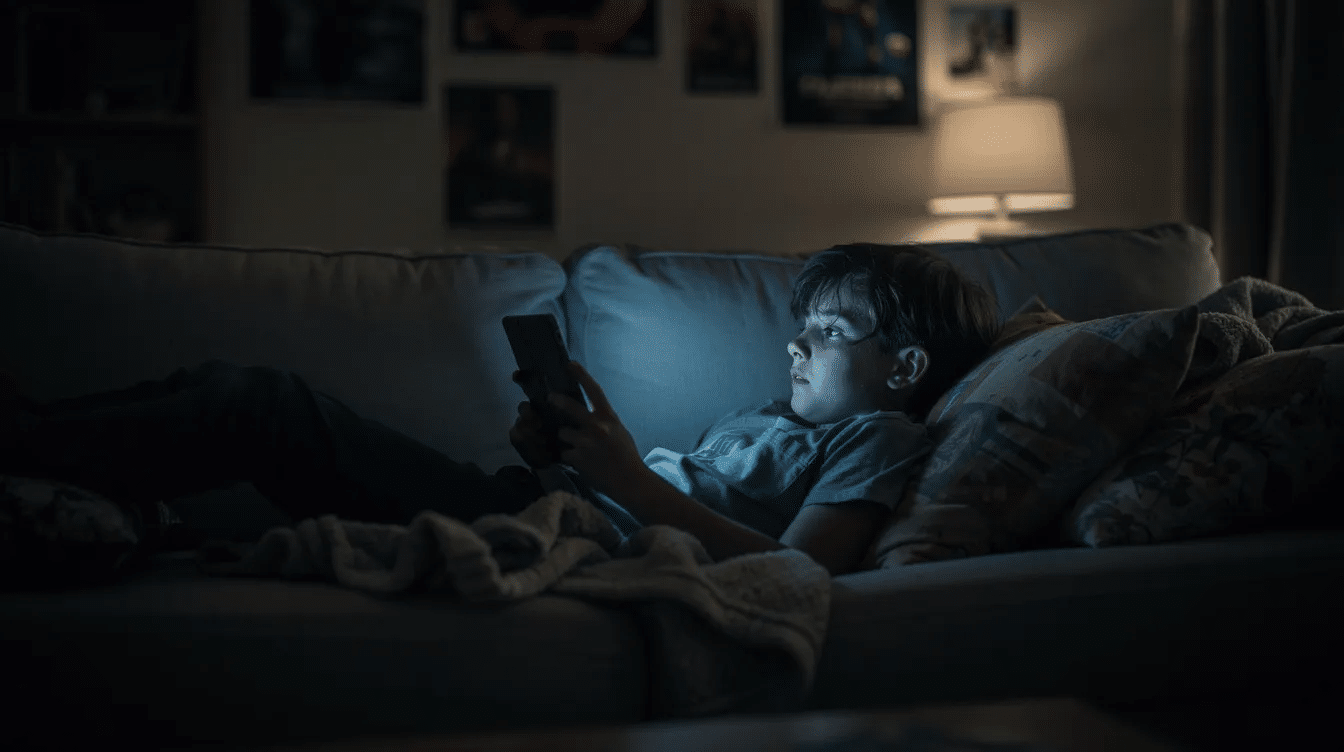
If your household has turned into a daily battlefield over screen time, you are not alone. Across the country, many parents feel overwhelmed watching their children disappear into tablets for hours on end, and the consequences are showing up in classrooms, bedrooms, and family dinners alike.
Key Takeaways
-
iPad addiction is driven by deliberate app and game design that exploits dopamine loops, autoplay, and in-app rewards in the developing brain, not by bad parenting or lazy kids. Half of teenagers feel addicted to their mobile devices, and iPad addiction manifests through behavioral, emotional, and physical symptoms.
-
Excessive screen time and blue light exposure can worsen anxiety, depression, sleep quality, attention, and school avoidance in adolescents.
-
Simple first steps work: set limits, create tech-free zones, move devices out of bedrooms at night, and model healthier screen habits yourself.
-
Managing iPad addiction requires setting clear boundaries and fostering alternative activities alongside emotional support.
-
When screen addiction is creating serious mood swings, behavior changes, or school problems in teens ages 12–17, Adolescent Mental Health’s virtual intensive outpatient program (IOP) offers structured therapy that fits around school schedules.
Extent of the Problem: How Common Is iPad Addiction Today?
Since Apple launched the first tablet in 2010, iPads have become fixtures in homes and schools. By 2025, over 50% of U.S. teens reported four or more hours of daily recreational screen time, and teens check their smartphones a median of 51 times per day. Over two-thirds of 11- to 17-year-olds find it hard to stop using technology once they start.
Screen addiction and device addiction are not official DSM-5 diagnoses, but clinicians recognize addiction-like patterns: loss of self control, withdrawal, and continued usage despite harm. Many so-called ipad kids started with educational apps or video chatting with grandparents before gradually sliding into endless games, social media platforms, and short-form video. Kids spending two-thirds of their free time gaming face higher mental health risks, and social media use is linked to increased anxiety and depression. Research from the University of Rochester Medical Center confirms that the adolescent brain’s prefrontal cortex, responsible for impulse control, does not fully mature until the mid-20s, making young users especially vulnerable.
Families using iPads for schoolwork or virtual therapy are not the problem. The risk comes from unchecked, entertainment-focused screen use crowding out offline life.
What Makes iPads So Addictive? The Brain Science Behind Screen Addiction
Between ages 10 and 17, the brain’s reward system develops faster than its impulse-control circuits. This creates a window where dopamine-driven stimulation from a tablet can hijack attention in ways that feel almost like a chemical dependency. Screen use behavior modification helps rewire these reward pathways, but apps and games are engineered to work against that process.
Specific design features trigger repeated dopamine bursts: infinite scroll, autoplay, loot-box style rewards, bright colors, and fast feedback. These features are creating tolerance, meaning kids need more time for the same fun, and distress when the iPad is removed. Research shows children’s brains may shrink in key areas due to excessive screen time, particularly in regions governing attention and emotional regulation. Kids with ADHD, autism spectrum conditions, or depression are more vulnerable because dopamine and impulse control systems are already under strain.
Clinicians often see iPad overuse as a way teens cope with boredom, social anxiety, or low mood, which are important clues for therapy.
How iPad Addiction Affects Kids’ Bodies, Brains, and Emotions
The effects are cumulative over months, not from a single long weekend. Here is what the science shows:
-
Mental health: Increased anxiety, irritability, depression, and emotional outbursts when asked to log off. Children may show less engagement with caregivers due to excessive screen use, and kids using screens excessively may struggle in social settings.
-
Cognitive and school impacts: Shorter attention span, trouble starting homework, and rising school avoidance. Excessive screen time can lead to neglect of daily responsibilities, and neglecting personal hygiene can be a result of prioritizing screen time.
-
Physical health: Headaches, eye strain, neck pain, less physical activity, and weight changes. Screen addiction can lead to insomnia and fluctuating weight.
-
Family and social life: More daily arguments about devices, siblings feeling ignored, and friends replaced by online interactions. Adults may experience social isolation due to iPad addiction, and iPad addiction can interfere with work and family time in adults as well.
Chronic overstimulation from apps and games can make the real world feel boring, pushing kids further into the screen for escape.
Blue Light, Sleep, and the Nighttime iPad Battle
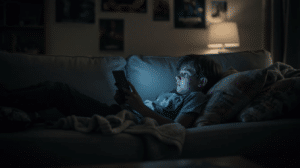
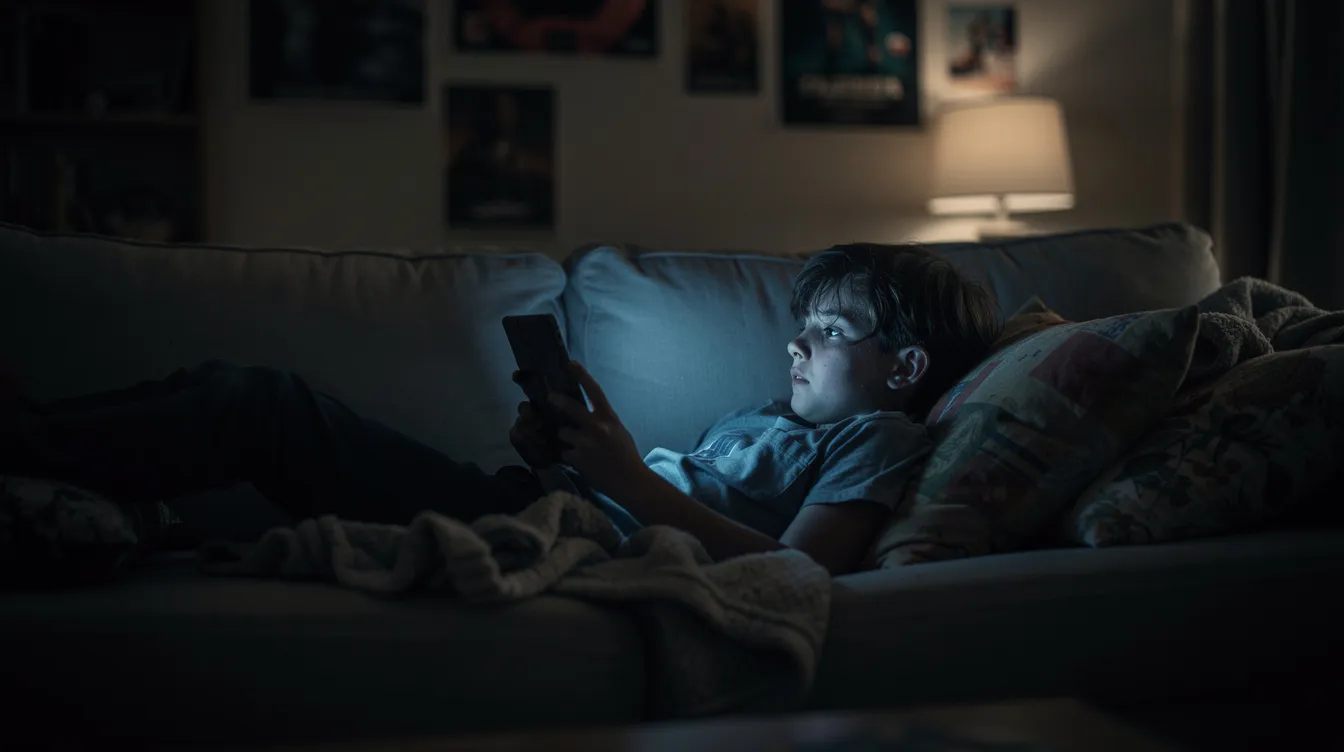
Blue light from iPad screens suppresses melatonin production in children, the chemical signal that tells the brain it is time to sleep. One study found that just one hour of tablet use before bed suppressed melatonin by roughly 23 percent, and two hours by 38 percent. Sleep disruption can result from excessive iPad use, and children with screen addiction may suffer from insomnia.
Poor sleep is linked to worsened ADHD symptoms in children and amplifies anxiety, depression, and irritability. Quality sleep is critical for children’s brain development, and excessive screen time can lead to sleep disturbances that compound over weeks.
What to do at night:
-
Create a screen-free bedroom to improve sleep quality. Establishing screen-free areas encourages better communication and sleep hygiene.
-
Set a firm screens-off time at least one hour before bed on school nights.
-
Replace late-night scrolling with calming routines: reading print books, listening to music, journaling, or quiet family check-ins.
Is All Screen Time Bad? Good Screens vs. Problem Screens
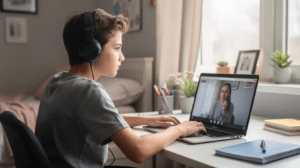
Not all screen time carries the same risk. Healthy screen use includes school assignments, creative apps for drawing or coding, video chatting with relatives, and structured telehealth services such as virtual therapy.
Problem screen time looks different: endless doom scrolling through social media, rapid-fire short-form video, gambling-like games, and unsupervised night usage. The American Academy of Pediatrics recommends no screen time under 18 months and limited, high-quality content for older children. The goal is not zero technology but balanced, intentional use that leaves room for sleep, school, exercise, spending time with friends, and family life.
Signs Your Child’s iPad Use May Be Crossing Into Addiction
One bad weekend is not addiction. Persistent patterns over a month or more are the concern. Here is what to notice:
-
Behavioral: Constant requests for screen time indicate potential addiction. Lying about usage, sneaking devices at night, ignoring house rules. Inability to stop using the iPad indicates a loss of control.
-
Emotional: Signs of iPad addiction include irritability when the device is taken away. Withdrawal symptoms include extreme agitation when screens are removed. Nomophobia describes the anxiety experienced when separated from mobile devices. Neglect of interests is a sign of iPad addiction in children, from sports to art to interest in friends.
-
Functional: Slipping grades, school avoidance, missed other activities, or being late because of overnight gaming.
-
Physical: Dark circles, falling asleep in class, complaints of headaches, or constantly feeling tired.
If you identify several of these signs persisting, it may be time to consult a pediatrician or mental health professional.

Practical Steps for Parents: How to Set Limits Without All-Out War
You do not need a perfect plan, just consistent, small changes:
-
Audit first. Using built-in tools like Apple Screen Time can help manage iPad usage effectively. Track one week of data before setting rules.
-
Set specific times. Setting specific time limits is essential for managing screen time. For example, no iPads during meals, in the car on short drives, or within one hour of bedtime.
-
Build screen-free zones. Establishing screen-free zones helps combat iPad addiction. Start with the dinner table, bathrooms, and all children’s bedrooms.
-
Replace, don’t just remove. Replacing screen time with engaging offline activities is beneficial. Encourage activities like reading, exercise, board games, or shared cooking to reduce screen time.
-
Stay consistent. Small, predictable consequences such as losing ten minutes of screen time the next day work better than big, angry punishments. Set specific times for device use across all caregivers.
Modeling Healthy Screen Habits as a Parent or Caregiver
Children learn screen norms by watching how adults use their phone, laptop, and tablet. If you scroll through news during dinner or sleep with your phone on the pillow, your teen notices. Modeling healthy tech habits can influence children’s screen use more than any rule you post on the fridge.
Try plugging all mobile devices into a shared charging station at night, reading physical books, and announcing personal screen breaks. Schedule a regular digital detox block, for example every Sunday morning, where all household members avoid screens. You do not need to be perfect. Visible effort and transparency about your own limits has a significant impact.
When Home Strategies Aren’t Enough: Getting Professional Help
When iPad addiction is tightly linked to serious anxiety, depression, self-harm thoughts, or school refusal, families should not try to handle it alone. Behavioral therapy is effective for screen addiction treatment, and therapy can help children develop coping mechanisms without screens. Therapy duration varies from weeks to months based on severity.
Adolescent Mental Health’s virtual IOP for teens provides multiple weekly sessions of individual and group CBT/DBT plus family therapy, all delivered online. Our clinicians address screen addiction alongside underlying issues like ADHD, social anxiety, and depression. Sessions are scheduled around school, many insurance plans provide access and coverage, and families avoid the stress of commuting to in-person clinics. If your teen’s screen use is contributing to significant changes in mood, self-harm, or complete withdrawal from school or friends, an evaluation is worth pursuing now rather than waiting for things to improve on their own.
FAQ
How much daily iPad screen time is reasonable for my 12–17-year-old?
Most pediatric guidelines suggest aiming for two to three hours or less of recreational screen time per day for teens at this age, not counting schoolwork or telehealth. Look at the full 24-hour day and ensure at least eight to ten hours for sleep, one to two hours of physical activity, and adequate time for homework before allocating entertainment screen use. Use Apple Screen Time or similar tools to create app-specific limits for games, social media, and video apps.
Should I completely ban my child from using the iPad if I suspect addiction?
Abrupt, total removal can escalate power struggles and push teens to sneak access on other devices or at friends’ houses. A structured step-down approach works better: gradually reducing daily minutes, eliminating late-night use first, and removing the most problematic apps. In treatment, therapists focus on building internal self control and healthier coping skills using evidence-based approaches like CBT, not just confiscating devices.
Does blue light filtering or night mode make late-night iPad use safe?
Blue light filters and dark modes can reduce eye strain and may lessen some melatonin suppression, but they do not solve the core problem of mental stimulation at night. Intense games, fast videos, or emotional social media posts close to bedtime still activate the brain and make it harder to fall and stay asleep. Keep a consistent screens-off time before bed even with night mode enabled.
Will my child grow out of iPad addiction on their own?
While some kids naturally shift interests, many entrenched patterns do not resolve without clear limits and emotional support. Untreated overuse can solidify into long-term habits and may mask or worsen underlying conditions like anxiety, depression, and ADHD. View persistent iPad struggles as an opportunity for early intervention rather than waiting for things to improve on their own, especially given how drugs, money, and responsibility pressures increase in later adolescence.