Finding the right anxiety activity for youth can make the difference between a teen feeling trapped by anxious thoughts and learning practical coping skills they can use in daily life. Below are evidence-informed anxiety activities that help calm the nervous system, reframe negative thoughts, and build emotional resilience.
Introduction
Anxiety activities are structured coping strategies teens can use to manage anxious feelings, physical symptoms, and avoidance. For youth ages 12-17, anxiety symptoms may show up as racing thoughts, stomachaches, irritability, sleep problems, school avoidance, panic, or fear of social judgment.
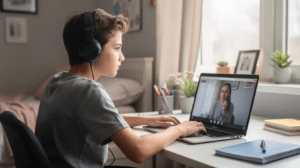
These activities were chosen because they are age-appropriate, practical, and supported by research. They are not a replacement for therapy. If anxiety interferes with daily life, academics, or sleep, consultation with a mental health professional is important. Programs like Adolescent Mental Health’s virtual intensive outpatient program can combine individual, group, and family therapy with evidence-based care.
How We Chose the Best Anxiety Activities for Youth
We evaluated each anxiety activity for youth based on four factors:
Evidence-based research
Fit for adolescent brain development
Ease of use at home, school, or in groups
Ability to reduce anxiety symptoms and build long-term coping skills
High-impact strategies for managing anxiety include sensory grounding, cognitive exercises, creative outlets, and physical movement. We also considered whether an activity works individually or with peers, because young people often benefit from both privacy and connection.
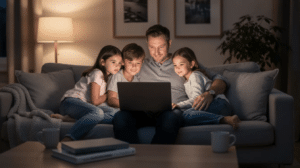
Family involvement is crucial in managing children’s anxiety, as it helps create a supportive environment where children feel safe to express their feelings and fears. Parents also matter because modeling positive coping strategies and behaviors is essential for parents, as children learn effectively by observing how adults handle stress and anxiety.
Top 6 Anxiety Activities for Youth
1. Mindfulness and Deep Breathing Exercises
Mindfulness means paying attention to the present moment with less judgment. Mindfulness practices involve being purposefully aware of one’s emotions, senses, and thoughts at a particular time, which can be demonstrated in just a few minutes.
Mindfulness activities for children can include techniques such as deep breathing, guided imagery, and progressive muscle relaxation, which help them learn to calm their bodies and minds when feeling anxious. Progressive Muscle Relaxation involves systematically tensing a muscle group and then releasing it to feel relaxation.
Teaching youth to control their breathing can significantly lower anxiety levels. Breathwork techniques help send a biological signal to the brain that promotes a sense of safety.
Why It Stands Out
Deep breathing can quickly reduce muscle tension, slow the stress response, and calm the nervous system. Research supports the effectiveness of mindfulness in reducing anxiety symptoms in teens, with studies showing that participants in mindfulness programs reported lower stress and improved emotional management. One review of youth with anxiety found mindfulness-based interventions had moderate benefits for anxiety outcomes in clinical samples.
Best For
Mindfulness works well for teens with worry, panic-like physical sensations, perfectionism, or a strong worry brain.
Key Strengths
Teens can practice deep breathing anywhere.
It supports emotional regulation and self regulation.
The 3-3-3 Rule is an exercise where youth name three things they see, three sounds they hear, and three things they can touch.
The five senses can anchor a teen during a stressful situation.
Possible Limitations
Some teens resist meditation. Start with just a few minutes, not a 30-minute practice.
2. Creative Expression Through Art and Journaling
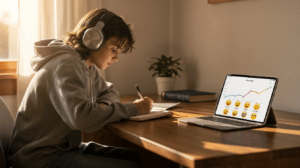
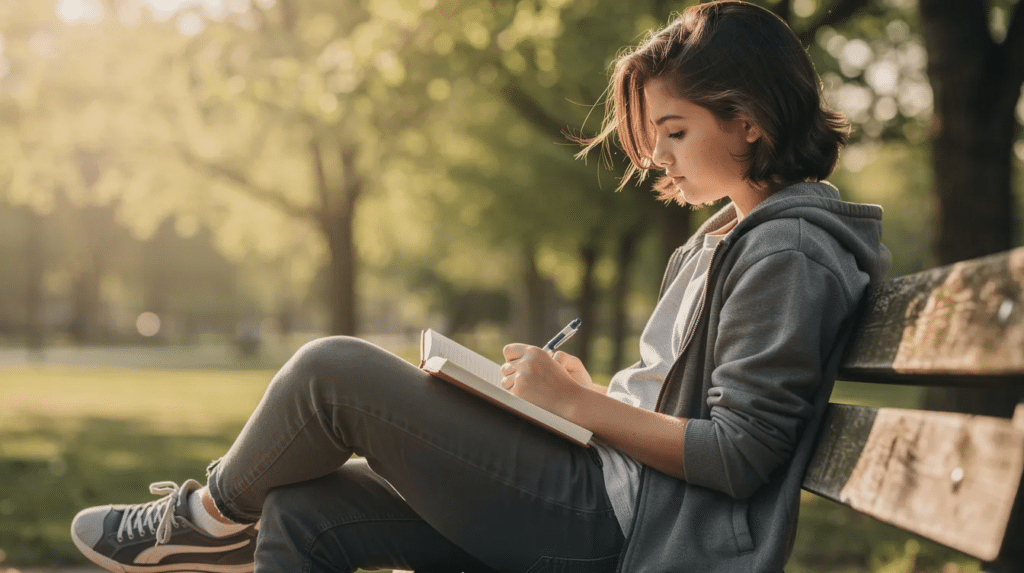
Art, creative writing, and journaling help teens name feelings without needing perfect words. Creative tasks can help youth articulate and process emotions related to anxiety.
Journaling can serve as a safe space for children to express their thoughts and feelings, helping them to organize their emotions and gain clarity about their worries, which can reduce anxiety over time. Journaling is also a powerful tool for children to express themselves without filtering their thoughts, providing a safe space to write about their worries or what makes them feel grateful.
Why It Stands Out
Art activities provide a wonderful outlet for children and teens to express feelings that might be difficult to put into words, allowing them to communicate their emotions creatively. This supports emotional expression when talking feels too hard.
Creating a collage from old magazines and newspapers allows children to flex their creative muscles while maintaining a sense of calm, as they can cut out images and words that make them feel happy and safe.
Best For
Creative outlets fit teens who like drawing, music, stories, imaginative play, a comic strip, a newspaper story exercise, or visual reflection.
Key Strengths
Builds insight without pressure.
Can be private or shared in groups.
Engaging in creative hobbies and structured problem-solving are proven to lower stress and build coping skills in youth.
A simple yet fun process, such as acrylic paint, collage, or journaling, can make a child feel more in control.
Possible Limitations
Not every teen likes art. For younger children or kids with strong sensory needs, printed materials, fine motor skills activities, or anxiety activities for kids may need adjustment.
3. Physical Exercise and Movement
Physical activity helps move anxious energy through the body. Regular physical activity has been shown to reduce anxiety symptoms in children by promoting the release of endorphins and reducing stress hormones.
Exercise does not need to be complicated or structured; simple movement ideas can effectively help children clear their heads and lower stress levels, especially before anxiety triggers like tests.
Why It Stands Out
Movement changes body chemistry. Aerobic Micro-Bursts can reset the brain’s stress response through short bursts of physical activity.
Best For
Exercise is useful for teens who feel restless, tense, shut down, or overwhelmed by physical symptoms.
Key Strengths
Immediate mood lift.
Builds sleep, confidence, and health.
Can be social or individual.
Engaging in physical activities such as throwing and catching a frisbee, skipping rope, or swimming can help relieve stress and reduce anxiety symptoms in children.
Possible Limitations
Some teens have physical limitations or low motivation. Start with short walks, stretching, or fun activities instead of intense workouts.
4. Cognitive Restructuring and Thought Challenging
Cognitive restructuring involves becoming aware of one’s thoughts, challenging them, and changing them, which is essential for managing anxiety in children.
Teaching children to recognize and challenge anxious thoughts is a core skill in managing anxiety, which can be facilitated through techniques like thought detective work and de-catastrophizing.
Why It Stands Out
This approach targets the thinking patterns that often fuel anxiety. Changing negative thoughts to positive thoughts helps children overcome negative thinking patterns that often accompany anxiety, allowing them to express themselves more positively.
A thought detective might ask: “What evidence supports this fear?” or “will this problem matter next week?” De-catastrophizing also asks, “How much will this problem matter in a month?”
Best For
This fits analytical teens, teens with generalized worry, and teens who like worksheets or logic-based tools.
Key Strengths
Addresses anxiety at its cognitive source.
Positive self-talk is a strategy that can help children manage anxiety by generating and practicing affirmations that counteract anxious thoughts.
Coping statements for anxiety are phrases that individuals can say to themselves to help calm down and navigate anxious situations, and using a guided worksheet can assist children in developing these statements.
Teens can create different self talk statements and self talk statements such as “I can handle this step” or “My worry is loud, but I am safe.”
Possible Limitations
CBT skills can be difficult at first. Anxiety worksheets may help, but more severe anxiety often needs professional support.
5. Worry Management Tools and Techniques
Worry tools give structure to worrisome things. A worry box, anxiety thermometer, scheduled worry time, or journal can help teens separate real problems from repetitive fear.
Creating a worry box allows children to write down their worries and place them in a designated space, helping them gain a sense of control over their anxiety and providing a structured way to address their concerns later.
Creating a worry box allows children to write down their worries and place them in a designated space, helping them feel a sense of control over their anxiety by committing to address these worries later.
Why It Stands Out
These tools make anxiety visible and manageable. An anxiety thermometer helps a teen rate anxiety from 1 to 10, notice patterns, and choose coping strategies before feelings spike.
Best For
Worry tools are helpful for teens with chronic worry, school stress, bedtime rumination, or fear of uncertainty.
Key Strengths
Gives control over anxious thoughts.
Can be customized with anxiety worksheets.
Daily schedules promoting self-care can prevent the buildup of stress in young individuals.
Structured habits like Positive Self-Talk and Gradual Exposure can help youth manage anxiety linked to specific triggers.
Exposure activities can gradually teach the brain that avoided situations are survivable.
Possible Limitations
Worry tools may not address deeper causes alone. If the child’s anxiety remains intense, use them with therapy.
6. Music and Sensory-Based Activities
Music, stress balls, relaxation stones, calming textures, and grounding objects can help teens regulate fast. These are often among the most relaxing activities because they are easy to start.
Making calming jars, which involve mixing warm water, glitter glue, and glitter in a jar, can help children focus on the swirling glitter as a way to calm their racing thoughts and practice deep breathing. A glitter jar can be made with a small funnel, warm water, glitter glue, and glitter; watching the glitter settle can help children visualize thoughts slowing down.
Why It Stands Out
Music and sensory tools work quickly because they shift attention and soothe the body. A 2025 meta-analysis found music therapy had a medium effect on anxiety outcomes across many studies of music-based interventions.
Best For
These tools help music-oriented teens, sensory-seeking teens, and especially children who need concrete calming cues.
Key Strengths
Low barrier and teen-friendly.
Can pair with breathing, journaling, or movement.
Supports relaxation after school, before sleep, or after conflict.
Fits conscious discipline approaches that teach safety, connection, and regulation.
Possible Limitations
Effects may be temporary without other coping skills. Music preferences vary, and some sensory input may overwhelm certain teens.

Quick Comparison of the Best Anxiety Activities
Mindfulness and deep breathing: best for panic, tension, physical sensations, and staying in the present moment.
Art and journaling: best for emotional expression, shy teens, and teens who process through creativity.
Physical movement: best for anxious energy, restlessness, and stress before tests.
Cognitive restructuring: best for negative thinking, anxious thoughts, and repeated “what if” fears.
Worry tools: best for racing thoughts, bedtime worries, and a worry brain that needs structure.
Music and sensory tools: best for fast calming, grounding, and relaxing activities.
How to Choose the Right Anxiety Activity for Your Teen
Choose Based on Your Teen’s Personality and Preferences
Introverted teens may prefer journaling, music, mindfulness, or a worry box. Extroverted teens may prefer group art, sports, family walks, or music-based activities.
Creative teens may enjoy collage, acrylic paint, or storytelling. Analytical teens may prefer cognitive restructuring, an anxiety thermometer, or thought detective exercises.
Choose Based on Anxiety Severity and Type
Generalized anxiety often responds well to CBT skills, worry time, and positive self talk. Specific phobias may need gradual exposure activities. Panic symptoms may improve with deep breathing and progressive muscle relaxation.
If anxiety is moderate to severe, or if school, sleep, relationships, or safety are affected, seek professional support.
Choose Based on Available Time and Setting
At school, use the 3-3-3 Rule, breathing, or grounding. At home, use journaling, movement, art, or scheduled worry time.
Sharing special one-on-one time with children, even for just 10 to 15 minutes daily, can significantly help in reducing anxiety by demonstrating enjoyment and providing a break from tensions.
Which Activity Is Best for Your Teen?
Choose the anxiety activity for youth that matches the need:
For immediate calming: deep breathing, music, sensory grounding, or a glitter jar.
For ongoing worry: worry box, anxiety thermometer, journaling, and CBT-based thought challenging.
For body-based stress: movement, stretching, swimming, or Aerobic Micro-Bursts.
For negative thoughts: positive self talk, coping statements, and cognitive restructuring.
For emotional overwhelm: art, journaling, collage, or creative storytelling.
Most teens do best with a combination. For example, a teen might practice deep breathing before school, use a thought detective worksheet after a stressful situation, and take a walk after homework.
Final Thoughts
Different anxiety activities work for different teens, and the best plan is practical, repeatable, and matched to the teen’s personality. The goal is not to eliminate anxiety completely, but to help children cope, reduce anxiety, and build skills that last.
With patience, support from parents, and the right coping strategies, young people can learn to manage anxious feelings more effectively. If your teen needs more than weekly therapy, Adolescent Mental Health can provide structured virtual care with evidence-based therapy, family involvement, and flexible support.