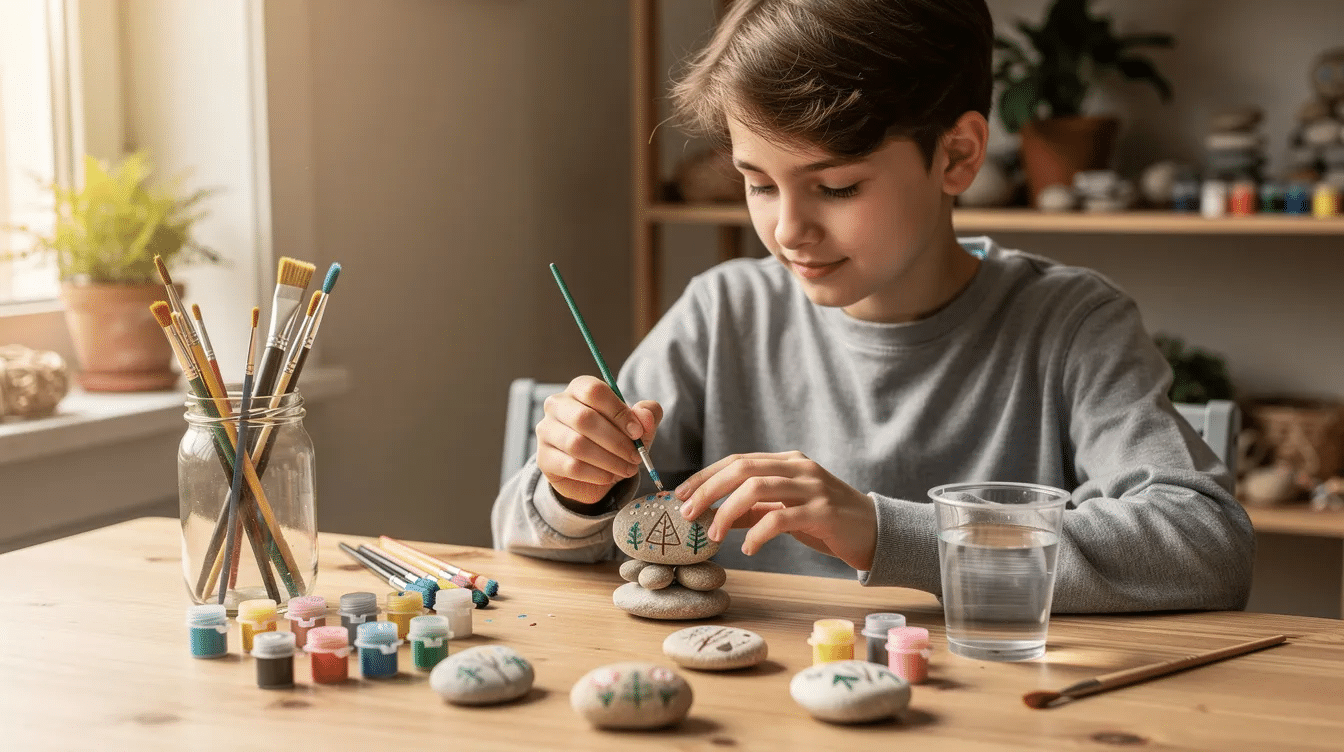
Anxiety games for youth can give teens a practical, engaging way to notice worry, calm the nervous system, and build coping skills. For kids and teens ages 12-17, the right game can turn emotional regulation into something concrete: a quest, a card prompt, a puzzle, or a conversation.
These tools are not a replacement for therapy, especially when anxiety affects school, sleep, relationships, or daily lives. But therapeutic games can provide children with coping mechanisms and help them process emotions, making them powerful tools for managing anxiety and building resilience. At Adolescent Mental Health, we often view games as supports that can complement evidence-based care, including virtual intensive outpatient programs.
How We Chose the Best Anxiety Games for Youth
We chose these anxiety games for youth based on:
Therapeutic value for anxious kids and anxious children
Age fit for teens 12-17
Evidence-based benefits for anxiety, stress, and emotional regulation
Accessibility at home, school, therapy, or group settings
Ability to teach coping strategies, deep breathing, mindfulness, and positive self-talk
Safety, privacy, and risk of overuse
Structured tabletop games are explicitly built for therapeutic environments to address emotional regulation. Digital tools can also help: a 2023 meta-analysis found that digital CBT programs reduced anxiety in children and adolescents, with stronger effects when rated by clinicians than by youth self-report. Engaging, play-based activities can help youth manage anxiety by promoting mindfulness, emotional identification, and a psychological state of flow.
Top 6 Anxiety Games for Youth
1. SuperBetter (Digital Mental Health Game)
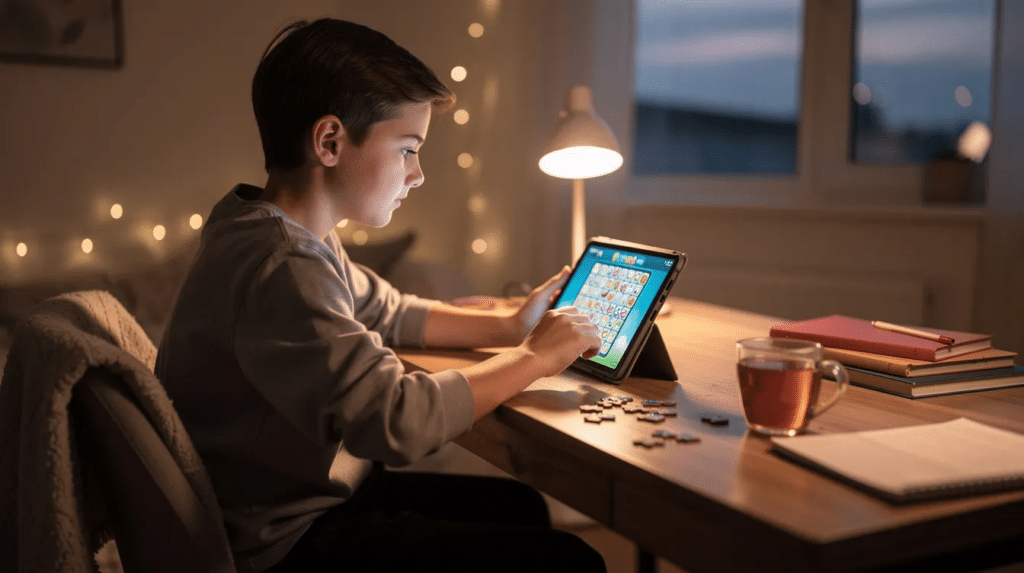
SuperBetter is a digital mental health game that uses quests, challenges, “power-ups,” and allies to help teens build resilience. It turns coping into a fun way to practice small, meaningful actions.
Why It Stands Out
SuperBetter works well because it gives teens a sense of control. Instead of only talking about fear, worry, or difficulty, teens complete manageable steps and track progress.
Best For
Tech-savvy, goal-oriented teens who like achievement systems, creativity, and creating positive routines.
Key Strengths
Evidence-informed game design
Customizable goals and progress tracking
Social support features that can strengthen relationships
Helps teens identify patterns in feelings, emotions, and challenges
Possible Limitations
It requires digital access and consistent use. Teens who prefer offline fun activities may not stay engaged.
2. Worry Warriors Board Game
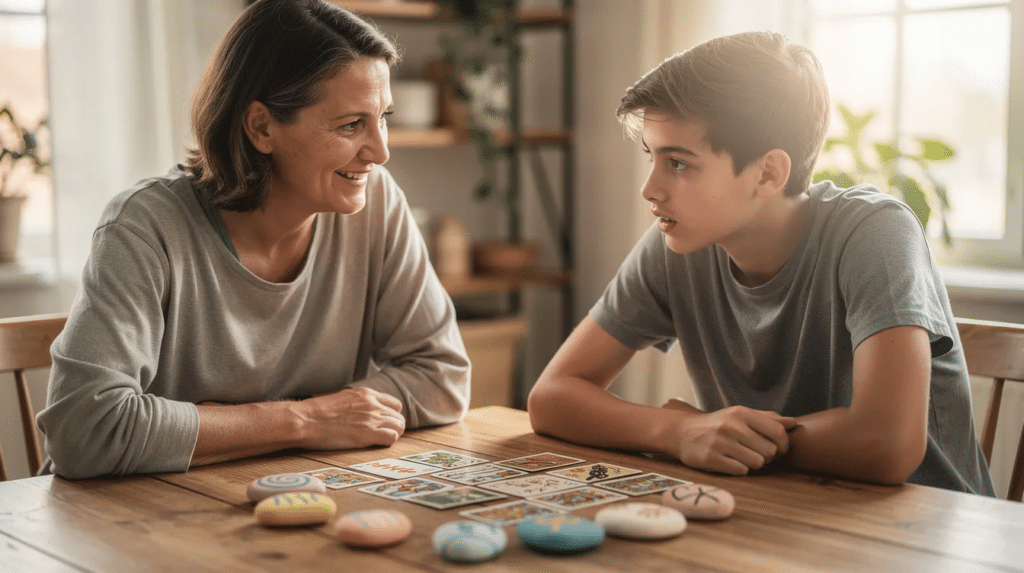
Worry Warriors represents the kind of therapeutic board game designed to help youth identify triggers, express worry, and practice coping. Similar tools include the Coping With Anxiety Card Game, which is designed to help children identify triggers and implement coping skills, making it a useful tool for therapists working with anxious children.
Why It Stands Out
It creates a safe structure for talk. Games like Feelings Candy Land help children develop emotional vocabulary and learn assertive communication, providing opportunities to process emotions in a healthy manner. Many classic childhood games can be easily modified to encourage emotional expression and mindfulness.
Best For
Teens who benefit from guided discussion with parents, adults, family members, or a therapy group.
Key Strengths
Designed for anxiety management
Helps normalize emotional conversations
Works in family therapy, school counseling, or home practice
Games specifically designed to help kids identify emotions and practice coping hacks normalize emotional regulation and equip youth with actionable strategies
Possible Limitations
It requires other players or a facilitator. Some teens may feel it is too “therapy-like.”
3. Personal Zen Mobile App
Personal Zen is a mobile game based on attention bias modification. It trains the brain to shift focus away from threat cues and toward more positive or neutral information.
Why It Stands Out
Its approach is neuroscience-based and quick. Research on Personal Zen has shown anxiety reduction in high-trait-anxiety adults, though teen-specific evidence is still developing.
Best For
Teens who want short, mobile, science-based support during stressful moments.
Key Strengths
Five- to 10-minute sessions
Easy to use between classes or after school
Helps train the worry brain to redirect attention
Can support a happy brain pattern by practicing attention toward safer cues
Possible Limitations
The gameplay is simple and may become repetitive. It is best viewed as one strategy, not the whole course of treatment.
4. Tetris (Classic Video Game)
Tetris is not a therapy game, but it has been studied for intrusive thoughts. Research suggests visuospatial games may reduce mental images after distressing events by occupying working memory.
Why It Stands Out
Commercial off-the-shelf games can reduce stress by anchoring players in a state of flow, which gently pushes intrusive, anxious thoughts out of the mind. Clinical studies show that certain games can quiet the stress center of the brain by keeping it occupied with positive, manageable tasks.
Best For
Teens who need immediate distraction from racing thoughts, anxious energy, or panic-like physical sensations.
Key Strengths
Widely available
Creates focus through rhythm and pattern
Useful as a short-term tool to relieve stress
Engaging games can serve as highly effective tools for managing youth anxiety by promoting mindfulness, deep emotional expression, and cognitive flow states
Possible Limitations
Tetris is not specifically designed for anxiety treatment. It can become avoidance if a teen uses it to escape every hard feeling instead of learning coping skills.
5. The Trail of Fears Therapeutic Game
The Trail of Fears represents CBT-based games that help teens examine feared thoughts, separate facts from fiction, and practice brave steps. Katie’s Fortress is a game designed to help children with social anxiety confront their fears and learn coping skills through cognitive behavioral therapy techniques.
Why It Stands Out
It uses CBT ideas: name the fear, test the thought, choose a coping response, and practice gradually. The game Katie’s Fortress helps children with social anxiety by encouraging them to confront their fears and learn coping skills through cognitive behavioral therapy techniques.
Best For
Teens working on social anxiety, specific phobias, or irrational fears with therapeutic support.
Key Strengths
Teaches evidence-based CBT techniques
Encourages positive self-talk
Helps teens see the difference between danger and discomfort
Games like Jenga can trigger anxiety responses in children, providing opportunities for therapists to demonstrate coping mechanisms and help children gain mastery over anxiety in low-stress situations
Possible Limitations
Exposure-style play should be guided carefully. For severe anxiety, it may feel too intense without a therapist.
6. Mindfulness-Based Card Games (Various)
Mindfulness card games and prompt decks help teens pause, breathe, reflect, and return to the present moment. Card games can include grounding prompts, emotion cards, or coping choices.
Why It Stands Out
They are portable and discreet. Mindfulness activities help children focus on the present moment using their five senses without interpretation or judgment, which can ease worries and promote relaxation.
Best For
Teens who need calming activities at school, while traveling, or before sleep.
Key Strengths
Easy to carry
Can be used alone or in a group
Practicing mindfulness can help children slow down rapid thoughts and improve their focus, which is beneficial for managing anxiety
Engaging in mindfulness techniques, such as deep breathing exercises, can significantly lower cortisol levels and promote emotional regulation in children
Possible Limitations
They require self-motivation. Some teens need more structure than a deck can provide.
Quick Comparison of the Best Anxiety Games
Game | Best Use |
|---|---|
SuperBetter | Best for building long-term resilience and goal achievement |
Worry Warriors | Best for guided anxiety processing in therapy or family settings |
Personal Zen | Best for quick, science-based anxiety relief on mobile devices |
Tetris | Best for immediate distraction from racing thoughts and panic symptoms |
Trail of Fears | Best for addressing specific phobias with therapeutic support |
Mindfulness Card Games | Best for portable coping tools in various environments |
Other creative tools can help too. Journaling provides a safe space for children to express their thoughts and feelings, allowing them to write about their worries or draw, which can help in emotional regulation. Drawing a comic strip encourages children to use their imagination and creativity, allowing them to create a visual story that can help reduce anxiety by focusing on positive experiences.
How to Choose the Right Anxiety Game for Your Teen
Choose Based on Anxiety Type
For generalized worry, try SuperBetter, Personal Zen, journaling, or a worry box where teens place written worries outside their mind. For social anxiety, use guided tools like Katie’s Fortress, role-play, or a relaxation stone. Creating relaxation stones by painting smooth stones can serve as a comforting object for children, particularly those with social anxiety, helping them feel more secure in anxious situations.
For intrusive thoughts, a short Tetris session may help. For younger children with anxiety, imaginative play and drawing may be more effective than abstract discussion.
Choose Based on Setting and Accessibility
At home, families can use board games, card games, music, or art. Making a collage allows children to flex their creative muscles by cutting out pieces from old magazines and newspapers to create something that makes them feel happy and safe.
At school, portable tools are better. A relaxation stone, breathing card, or mindfulness prompt can help a child feel grounded without drawing attention.
Choose Based on Therapeutic Goals
If the goal is immediate calm, use grounding, Tetris, or breathing. If the goal is long-term coping, use CBT-based games, therapy homework, and family practice.
Making calming jars with glitter and water can provide a visual and tactile way for children to practice deep breathing and mindfulness, helping them to calm down during anxious moments. Watching the glitter settle gives the body time to slow down.
These digital games are specifically engineered by mental health professionals to teach clinical coping mechanisms like exposure therapy and nervous system regulation. Some tools also use technology to track physical stress responses or utilize immersion to create a state of flow that actively reduces mental chatter. Games that ground youth in the present moment by redirecting their thoughts away from anxious loops and into physical sensations can calm the central nervous system.
Which Anxiety Game Is Best for Your Teen?
Choose SuperBetter if your teen responds well to achievement systems and long-term goal setting.
Choose Personal Zen if you need a clinically-informed mobile solution for quick anxiety relief.
Choose Tetris if your teen needs an immediate, accessible tool for racing thoughts.
Choose Worry Warriors if your teen benefits from guided discussion in therapy or family settings.
Choose mindfulness cards if you need portable tools that work in multiple environments.
There is no single best game for every teen. The right choice depends on age, symptoms, motivation, and whether the teen needs support for school avoidance, panic, social anxiety, or emotional overwhelm.
Final Thoughts
The best anxiety games for youth are engaging enough to use and structured enough to teach real coping. They help children cope by making stress, worry, and emotions easier to name, explore, and manage.
Games work best when paired with professional mental health care. If anxiety is disrupting your teen’s sleep, eating, school attendance, relationships, or daily functioning, Adolescent Mental Health can help families build a more complete treatment plan through virtual IOP, individual therapy, group therapy, family therapy, CBT, DBT, and parent coaching.
A game can be a powerful tool, but the strongest results come when teens have support, practice, and a plan.