

Key Takeaways
-
Phone therapy lets teens ages 12–17 talk with a licensed therapist by voice call from home, often within a few days of reaching out.
-
Phone sessions can address common mental health concerns such as anxiety, depression, ADHD, school avoidance, body image, peer pressure, and family conflict.
-
At Adolescent Mental Health, phone therapy can be part of a virtual Intensive Outpatient Program that includes group therapy, family therapy, and parent support.
-
Many insurance plans cover online therapy for teens, and our team helps verify insurance coverage, review an insurance plan, and explain affordable options.
-
Phone therapy can complement or replace in person therapy depending on symptom severity, safety needs, privacy, and teen preference.
What Are Phone Therapy Sessions for Teens?
Phone therapy is counseling by regular phone or smartphone audio call with a licensed mental health professional. For teens 12–17, sessions usually last 45–60 minutes at a set time each week, much like in person therapy, but the teen uses voice only instead of visiting a therapist’s office.
At Adolescent Mental Health, phone therapy sessions for teens may be part of a broader mental health treatment plan. Our virtual therapy model can include individual talk therapy by phone, video calls, virtual sessions for skills practice, online counseling, group therapy, and family therapy. Phone therapy is appropriate for many moderate mental health concerns, but it is not a substitute for emergency care, crisis stabilization, or situations involving imminent danger.

Why Teens and Families Choose Phone Therapy
From 2024 through 2026, more families have looked for flexible, technology-enabled teen mental health support because adolescence is a time of rapid change. Many teenagers experience anxiety, stress, or emotional overwhelm due to academic demands, friendships, life transitions, and future uncertainties. Phone calls remove transportation barriers, help busy schedules, and allow teens to join from any private space with cell reception.
The emotional benefits matter too. Communicating remotely can significantly lower adolescents’ guard and make it easier for them to open up about sensitive issues. Many teens find online therapy more approachable than in person sessions because it allows them to communicate from a familiar environment, reducing anxiety associated with seeking help. Teens can attend remote therapy sessions in the safety of their own homes, which may feel less intimidating than a clinic or waiting room.
Virtual therapy also offers greater scheduling flexibility, allowing sessions to fit around school, extracurricular activities, and other commitments. Online therapy provides greater scheduling flexibility, allowing teens to attend sessions after school, in the evening, or on weekends, which is particularly beneficial for those with busy lives. Phone therapy can also maintain continuity during illness, school breaks, travel, or a move within the therapist’s licensed state.
What Phone Therapy Can Help With
At Adolescent Mental Health, phone therapy sessions for teens may support many mental health issues and mental health conditions, including anxiety disorders such as social anxiety, panic attacks, generalized anxiety, test anxiety, and anxiety around school avoidance. Adolescence is a developmental period that involves significant changes in emotional, physical, and social functioning, leading many teens to experience heightened stress, confusion, or difficulty navigating new experiences.
Adolescents experiencing persistent sadness, withdrawal from relationships, difficulty managing stress, or changes in sleep and appetite may benefit from online therapy to address their depression. Common signs that a teen may need therapy include failing grades, social withdrawal, unhealthy eating or sleeping habits, and expressions of hopelessness, which can indicate underlying depression. Common signs that a teenager may benefit from therapy include persistent sadness, social withdrawal, difficulty managing stress, and changes in sleep or appetite.
Online therapy can provide a safe space for teens to work through their emotions, develop coping strategies, and build confidence in navigating life’s challenges, which is crucial for managing depression. Online therapy can provide a safe, confidential space for teenagers to sort through their emotions, build coping skills, and protect their mental health during adolescence.
Phone-based teen therapy can also help with ADHD-related organization problems, impulsivity, academic struggles, conflict with teachers or parents, gaming or screen overuse tied to emotional health, gender dysphoria, LGBTQ+ questions, gender identity racial stressors, cultural identity social media pressure, bullying tough transitions, friendship stress, dating challenges, and body image concerns. In our IOP, therapy for teens often works alongside psychiatric evaluation and medication management when clinically indicated.
How Phone Therapy Works at Adolescent Mental Health
Adolescent Mental Health is a virtual adolescent mental health treatment center offering structured IOP care, not casual check-ins or a single monthly video session. A parent or guardian starts by completing a brief online form or calling our intake line. Then our admissions support team holds a 20–30 minute call to review symptoms, goals, safety concerns, and whether an online teen counseling program may fit.
Next, a licensed therapist completes an in-depth clinical assessment by phone or video. During assessment answer questions about mood, school, family stress, medications, prior diagnoses, eating habits drug concerns, loss traumatic experiences sexual safety concerns, and current risk. Individual therapy involves one-on-one sessions between a therapist and a teen, focusing on personal issues and emotional challenges.
Treatment may combine individual phone therapy, group therapy, family therapy, and skills coaching. Group therapy allows teens to connect with peers facing similar challenges, providing a supportive environment to share experiences and learn from one another. Family therapy involves sessions with the teen and their family members, aiming to improve communication and resolve conflicts within the family unit.
Evidence-based therapies such as Cognitive Behavioral Therapy and Dialectical Behavior Therapy are commonly used in treating adolescents to address various mental health issues. Our licensed therapists teach healthy coping strategies, distress tolerance, emotion regulation, and problem-solving skills; dialectical behavioral therapy skills may be practiced during phone calls, group sessions, and home assignments. Programs often last 6–12 weeks depending on the child’s progress, with after-school or evening scheduling and regular ways to keep parents informed.
Phone Therapy vs. In Person Therapy for Teens
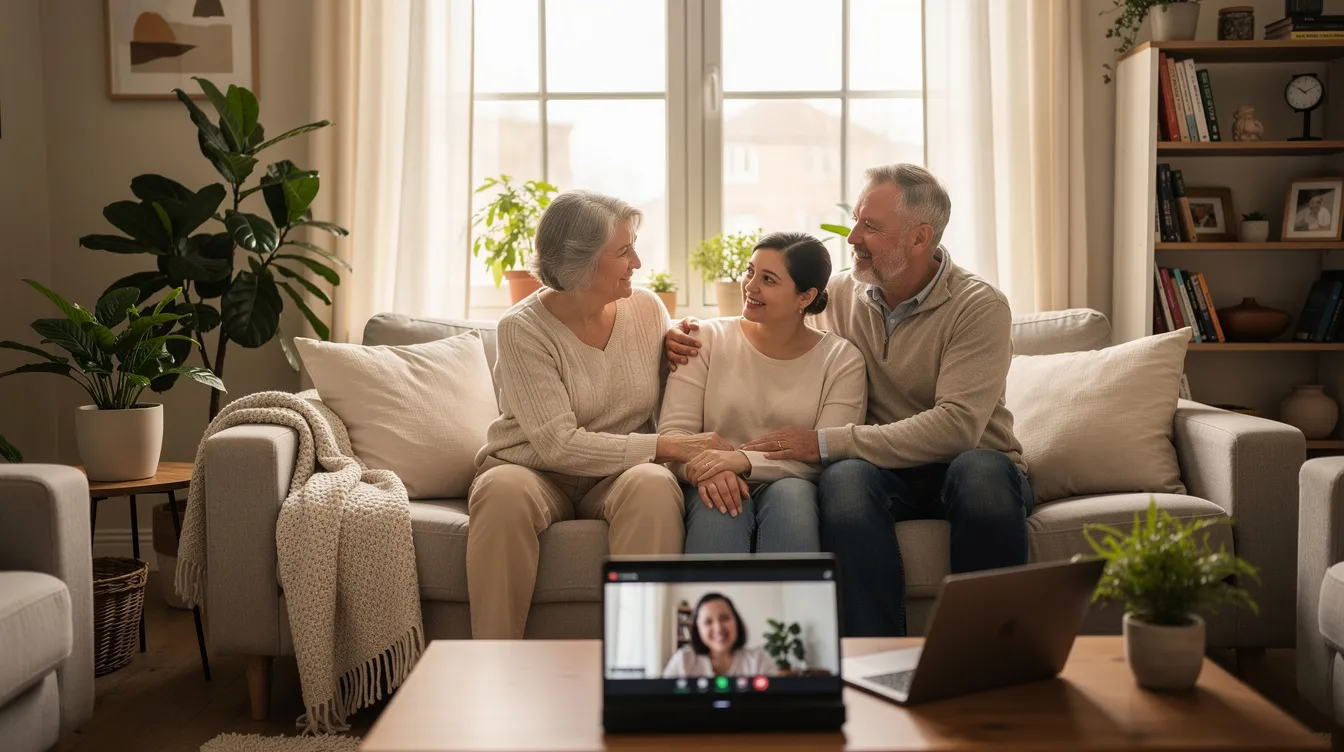
Phone therapy and in person therapy use the same clinical foundation: assessment, treatment planning, rapport, evidence-based skills, and measurable goals. The main difference is the setting and communication style. In-person therapy allows clinicians to closely observe body language and pick up on subtle non-verbal cues that may indicate distress, which can be important for some mental disorders and complex presentations.
In person care may be preferable for severe safety issues, active psychosis, significant substance abuse, eating disorders with medical instability, or cases that require hands-on assessment. Remote therapy is not suitable for every adolescent, especially those dealing with severe psychiatric crises or self-harm. If immediate danger is present, families should use emergency services or the 988 Suicide & Crisis Lifeline, which provides immediate, free emotional support for teens facing mental health crises.
Phone therapy may be equal or better for teens in rural areas, teens waiting for appointments licensed therapists locally cannot offer soon, older teens who dislike cameras, or families without nearby adolescent specialists. Research indicates that online therapy can be just as effective as in-person therapy, making it a viable option for many teens who may feel more comfortable in a familiar environment. Online therapy for teens is proven to be as effective as traditional face-to-face therapy, with studies showing that 93% of participants reported improvement on their toughest problems in as little as 2 months.
Safety, Privacy, and Teen Confidentiality
Our phone therapy sessions follow the same HIPAA privacy standards as in person therapy, including secure documentation and trained staff. At the start of each call, therapists typically meet basic safety requirements by verifying the teen’s identity and current location. Effective remote therapy assumes the teenager has access to a secure, private room at home to ensure full disclosure during sessions.
Privacy directly affects honesty. Teenagers may withhold information during therapy sessions if they believe they are not in a private environment. Families can help by offering headphones, white noise, a quiet bedroom, or even a parked car in the driveway for especially sensitive discussions.
Confidentiality is explained clearly: most teen counseling content stays between the teen and therapist, but parents must be involved if there is imminent self harm risk, harm to others, abuse, or serious safety concerns. Our clinicians are experienced in adolescent mental health care and know how to balance teen privacy with parent involvement.
Cost, Insurance Coverage, and Free or Low-Cost Options
Paying for mental health services is a real concern for families. Adolescent Mental Health works with major commercial insurance plans and many Medicaid-managed plans. Many insurance plans cover the cost of online therapy for teens, making it an accessible option for families seeking mental health support.
Insurance coverage for online therapy can vary by provider, with some platforms accepting major insurance plans like Cigna, Aetna, and Optum. Our coordinators verify benefits before treatment starts, explain copays, deductibles, out-of-pocket maximums, and whether our program is in network.
For families without insurance, many online therapy platforms offer financial aid options or sliding scale pricing to make services more affordable. Families may also explore payment plans, health savings accounts, school counselors, school psychologists, community clinics, support groups, or free therapy resources. We are not a free therapy program, but we help families understand options and avoid financial surprises.
When Phone Therapy Alone Isn’t Enough
Some teens need more than phone therapy can safely provide. Red flags include a recent suicide attempt, active self harm, severe eating disorders with medical instability, substance abuse that impairs daily life, active psychosis, or threats of harm to others.
These situations may require an in person assessment, partial hospitalization, residential treatment, emergency services, or close coordination with local providers. Our clinicians collaborate with families, pediatricians, and community professionals when a teen in our IOP needs a different level of care.
Once safety is restored, phone therapy and virtual IOP can still play an important role in step-down care, relapse prevention, and continued mental health support.
Getting Started with Phone Therapy at Adolescent Mental Health
If your teen has been struggling for more than a few weeks, you do not need to have all the answers before reaching out. Recognizing when a teenager might need additional support can be challenging, but certain patterns such as changes in mood, sleep, academic performance, or social withdrawal may indicate the need for therapy.
To begin, visit our website, complete a short inquiry form, or call our intake line. Have your insurance card, medication list, prior diagnoses, school concerns, and recent evaluations ready. A brief formal appointment with admissions can help determine whether phone therapy, video, online teen therapy, or a higher level of care is appropriate.
Involve your teen early. Ask whether they prefer phone calls, video, online therapist support, or eventual in person sessions. Families sometimes compare online therapy options, text based online therapy, online counseling platforms, or a talkspace therapist after searching teens talkspace; our focus is structured IOP-level care with a clinical team, not standalone messaging. The right support team can help teens build coping strategies, strengthen confidence, and move toward positive outcomes.

Frequently Asked Questions
How do I know if my teen is a good fit for phone therapy instead of video?
Teens who are camera-shy, distracted by screens, or more comfortable walking, doodling, or sitting in a familiar environment often do well with phone therapy sessions for teens. A screening call can help decide whether phone, video, or a mix is best based on symptoms, learning style, privacy, and safety.
What technology does my teen need for phone therapy sessions?
A reliable cell phone or landline is enough for phone therapy. For video-based parts of care, families may need a smartphone, tablet, or computer with a stable internet connection. Headphones or earbuds with a microphone can improve sound quality and privacy.
Can parents join part of a phone therapy session?
Yes. In our IOP model, therapists may invite parents into the first 5–10 minutes for updates, then speak privately with the teen. Separate family therapy sessions by phone or video are used for deeper work on boundaries, communication, and problem-solving.
Will my teen ever meet their therapist in person?
Adolescent Mental Health is a fully virtual program, so sessions occur remotely rather than in a physical clinic. Some families choose to pair our IOP with a separate local in person therapist, school-based provider, or long-term community clinician after symptoms stabilize.
What happens if my teen misses or refuses a scheduled phone session?
Occasional missed sessions are common. Our team will reach out, reschedule when possible, and explore barriers such as motivation, privacy, depression, or scheduling. Repeated no-shows may lead to a conversation about whether the current level of mental health care is the right fit.