
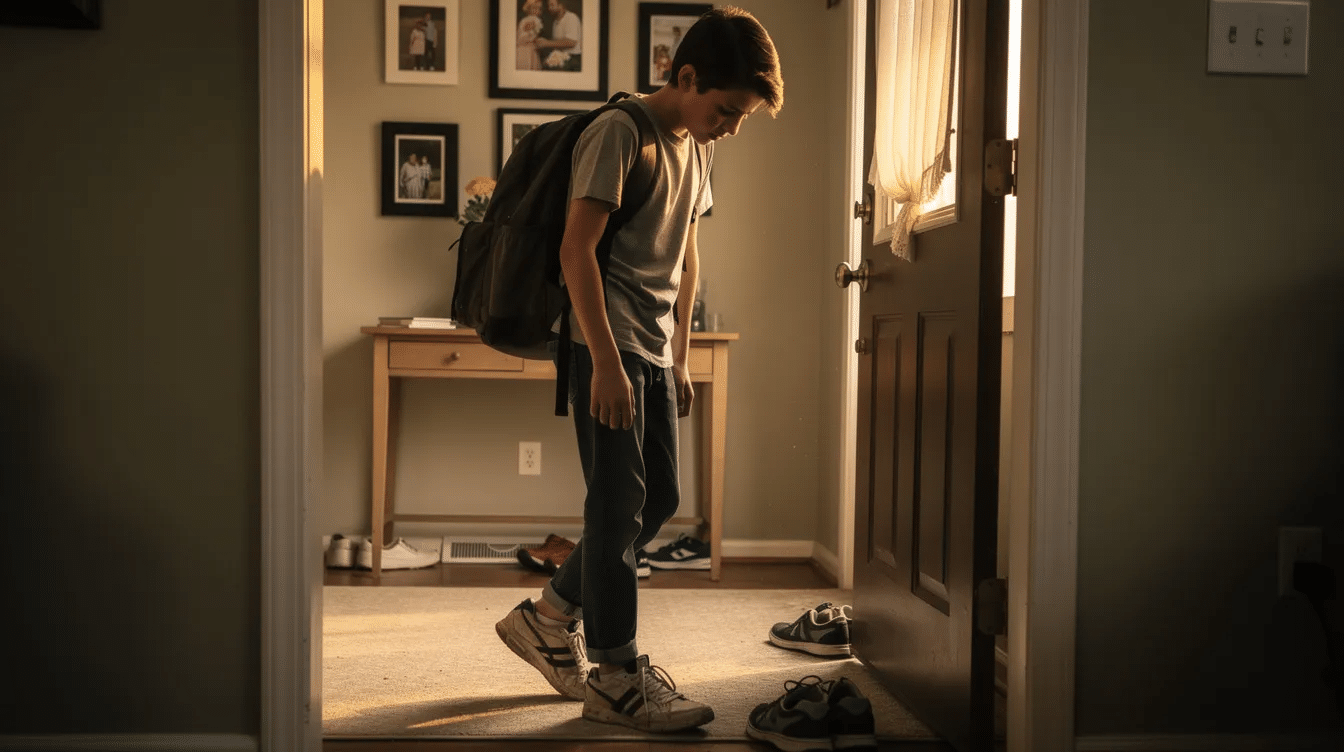
Key Takeaways
Many teens appear composed at school yet unravel emotionally at home—this pattern is common and not a sign of bad parenting.
After school restraint collapse describes how teens hold it together in public, then release built up tension in the one safe place they have: home.
Hidden anxiety, depression, ADHD, or social stress can all contribute to this split between school and home behavior.
Responding with curiosity and empathy (rather than punishment) can calm the home, improve communication, and help your child thrive.
Structured virtual therapy and Intensive Outpatient Programs can give teens reliable coping skills without adding transportation or schedule stress.
Why Your Teen Holds It Together at School
Your teen may seem totally “on top of it” from 8:00 a.m. to 3:00 p.m.—chatting with friends, turning in assignments, avoiding conflict. Then they arrive home and immediately snap or shut down. This can leave parents confused and wondering what went wrong.
Here’s what’s happening: school is a highly structured environment with clear rules, supervision, bells signaling transitions, and constant social pressure to “be okay.” This structure helps many children stay outwardly regulated throughout the school day.
But that regulation comes at a cost. Kids spend enormous mental energy to:
Follow directions in each 45-60 minute class
Track homework for subjects like math, English, and science
Navigate friendships and monitor their behavior around peers
Manage emotions while teachers and other kids are watching
Teens may mask anxiety, low mood, or attention problems to avoid standing out socially—especially those in middle and high school. Teachers often see a quiet, compliant student with good behavior, while parents witness irritability, tears, or emotional outbursts at home.
This disconnect can make caregivers doubt their own perceptions. Professional support that looks at the full picture—not just school reports—can help your family understand your teen’s true stress level.
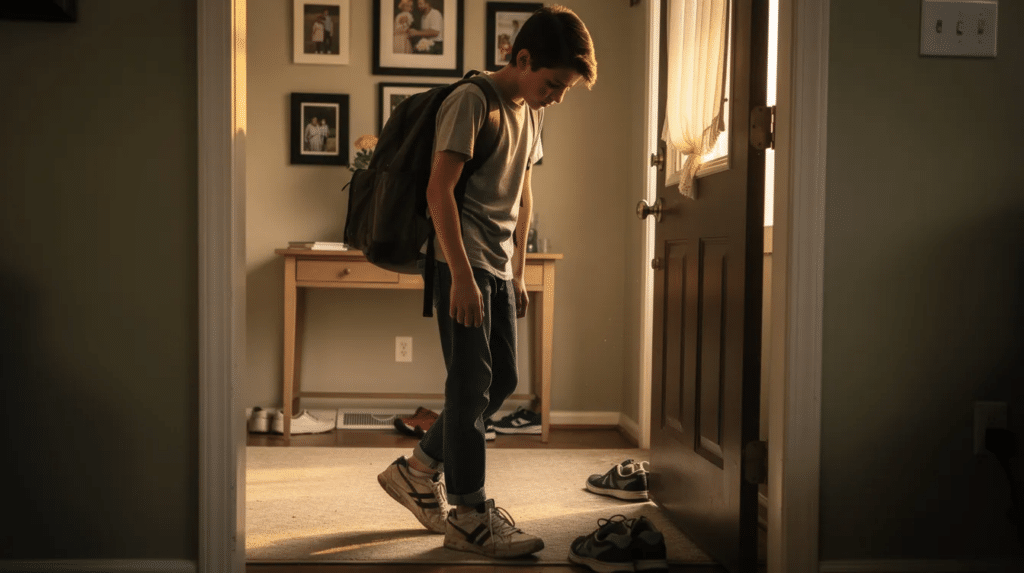
Why Everything Unravels at Home
Between 3:30 and 9:00 p.m., you might see door slamming after practice, snapping at siblings during dinner, refusing homework, or hours of silent scrolling. This is what letting loose after a long day looks like for many kids.
Think of it this way: your teen has been “white-knuckling it” through every class, every social interaction, every expectation. Home is where that grip finally slips. This phenomenon is called after school meltdowns or restraint collapse.
Home is usually where teens feel safe, so they show their most raw emotions—crying, yelling, sarcasm, or retreating to their room for quiet time. Once school structure disappears, all the held-in stress pours out: worries about grades, friendship drama in group chats, upcoming exams, or college pressure.
This unraveling is often a sign of emotional overload, not defiance. Their “emotional battery” is drained, and their brain has fewer resources left for patience and flexibility. When evenings feel like a battleground most days, structured therapeutic support can offer practical ways to help your child manage emotions at home.
Hidden Stressors Your Teen May Be Carrying
Many teens can’t easily name what’s bothering them. Their behavior at home often speaks for feelings they don’t yet have words for.
Common stressors in 2024-2026 include:
Heavy homework loads (2-3 hours nightly for some)
Constant notifications from social media creating comparison
Sports, music, or activities several evenings weekly
Pressure about grades or college starting as early as 8th grade
Questions about identity, including gender or sexuality
Anxiety might show up as perfectionism, over-studying until midnight, or frustration when plans change. Depression may look like exhaustion, sleeping past noon on weekends, or losing interest in activities they once loved.
ADHD or learning differences may be masked with strong effort during the school day, then explode into unfinished homework, lost assignments, and conflict with families in the evening—especially for different kids who work harder to keep up.
A clinically informed provider can help identify which stressors are in play and create a plan that fits your teen’s specific situation.
Common Signs Your Teen Is “Falling Apart” at Home
These signs are signals of distress, not moral failings. Noticing patterns over several weeks matters more than one bad night.
Visible signs (ages 12-17):
Frequent arguing over small requests
Harsh self-talk (“I’m stupid,” “I’ll never get into college”)
Slamming doors or refusing family activities
Tears over minor frustrations
Quieter signs:
Hours isolated in their room
Sleep changes (staying up until 1-2 a.m.)
Appetite shifts
Secretly re-doing assignments that were already “good enough”
Some teens look fine until a specific trigger—like checking missing assignments on the school portal or being told to limit screen time at 10 p.m.—then respond with outsized anger.
The difference between a bad day and a pattern: behaviors happening most days for 2-4 weeks, or escalating in intensity. When you see repeated cycles, it may signal your teen needs more routine support than simple rule changes.

How to Respond in the Moment Without Making Things Worse
When your teen yells, cries, or shuts down after school, your own stress naturally rises. It’s normal to wonder what to say.
In-the-moment strategies:
Speak in a calm, low voice
Give 10-20 minutes of space before talking
Offer a snack and water
Suggest a short walk or shower before homework discussions
Phrases that help:
“It looks like today took a lot out of you.”
“I’m here if you want to vent.”
“Let’s hit pause and come back to this in 20 minutes.”
Set aside lectures about tone during the initial meltdown. Focus on de-escalation first. You can calmly state that hurtful language isn’t acceptable while still communicating that big feelings are welcome.
Learning specific coping skills—like grounding techniques or brief breathing exercises—is easier with consistent practice in a supportive therapy setting.
Building a Healthier After-School and Evening Routine
Small, predictable shifts between 3:00 and 10:00 p.m. can dramatically lower nightly blow-ups.
Try this transition period approach:
3:30-4:00: Decompression window—snack, rest, or preferred activity before discussing homework
4:00-6:00: Focused homework blocks with movement breaks
6:00-7:30: Dinner and family time
8:30-10:00: Screens or hobbies with a set wind-down time
Limit emotionally intense conversations (grades, college plans) to earlier evenings or weekends when everyone has more energy. Address screen time without alarmism—agreed-upon limits and device-free zones at dinner work better than constant battles.
Share the load using calendars or apps to track assignments. Therapists and IOP programs can coach families through building sustainable routines that match your teen’s actual capacity.
When It’s More Than Just a Long Day: Signs to Seek Extra Help
It’s better to ask for help “too early” than wait until your family is in crisis. Early support often leads to better outcomes.
Signs your teen may need more support:
Daily meltdowns lasting 2-4+ weeks
Withdrawal from friends
Slipping grades or skipping school
Comments about not wanting to be alive (seek immediate crisis support)
Physical symptoms like frequent headaches or stomachaches without medical cause
Intensive Outpatient Programs (IOPs) provide more structure than weekly therapy—multiple sessions per week—while allowing teens to stay in school. Virtual therapy removes common barriers like transportation and tight schedules, making consistent support more realistic for busy families.
Seeking professional support is a sign of care and strength.
How Structured Support Like Virtual IOP Can Help Your Family
Families often feel different after getting consistent support: fewer nightly blow-ups, more honest talking, and teens with a toolbox of skills they can use at school and at home.
A teen-focused Virtual IOP typically includes:
Multiple group therapy sessions weekly
Individual sessions with a therapist
Family involvement and guidance
Skills practice for emotional regulation, communication, and stress management
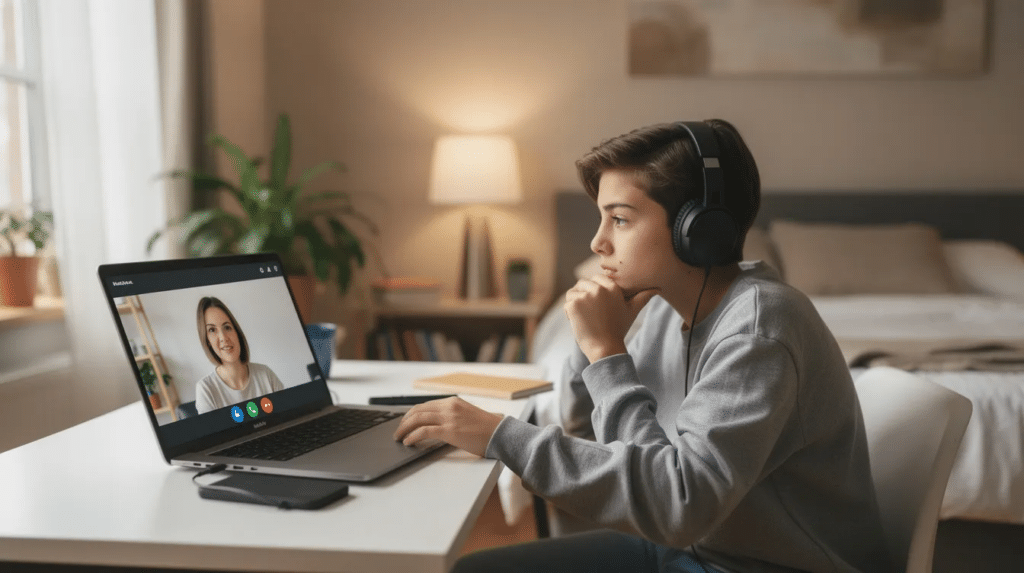
Virtual care allows teens to log in from home after school, reducing stress about transportation and missing activities. Parents learn ways to de-escalate, set healthy limits, and figure out how to support their teen without constant battles.
Programs like Adolescent Mental Health’s Virtual IOP are designed for teens ages 12-17, accept many insurance plans, and can often start within the same week you reach out.
If your teen is holding it together at school but falling apart at home, consider reaching out to Adolescent Mental Health to explore whether Virtual IOP might be a good fit for your family.
FAQ: Questions Parents Often Ask About Teens Who Fall Apart at Home
Is it normal for my teen to be polite at school but rude at home?
Yes—most kids use up their self control during the school day and show unfiltered feelings at home, where they feel safest. This is common in many children. However, ongoing disrespect still needs compassionate boundaries, not harsh punishment. If rudeness is constant, intense, or accompanied by isolation or dropping grades, professional guidance can help.
How can I tell if my teen’s after-school meltdowns are anxiety or just “teen attitude”?
Anxiety typically includes frequent worrying, physical complaints before school, over-planning, or panic about specific situations. Regular teen pushback tends to be brief and doesn’t dominate most days. Track patterns for 2-4 weeks and share observations with a mental health provider who can help distinguish what’s typical from what’s concerning.
What should I say to my teen right after a big blow-up?
Try short, calm statements: “I can see you’re really overwhelmed,” “Let’s both take a breather,” or “I care about you; we can talk when we’re calmer.” Avoid long lectures in the heat of the moment. Wait until everyone has cooled down before problem-solving. Therapists can help parents and teens practice calmer ways to repair after conflicts.
Will talking about mental health make my teen feel worse?
When done thoughtfully, open conversations and professional support tend to reduce shame. Use normalizing language—many teens struggle with stress and anxiety, and getting help is like seeing a coach for emotional skills. Structured programs like Virtual IOP surround teens with peers working on similar challenges, helping them feel less alone.
How can we fit therapy into our busy schedule?
Virtual therapy and Virtual IOP are designed to lower barriers by allowing teens to join from home. Programs like Adolescent Mental Health’s Virtual IOP work with families to schedule sessions around school hours and coordinate care so support is intensive but manageable—no long commutes or immediate consequence to other activities.